






























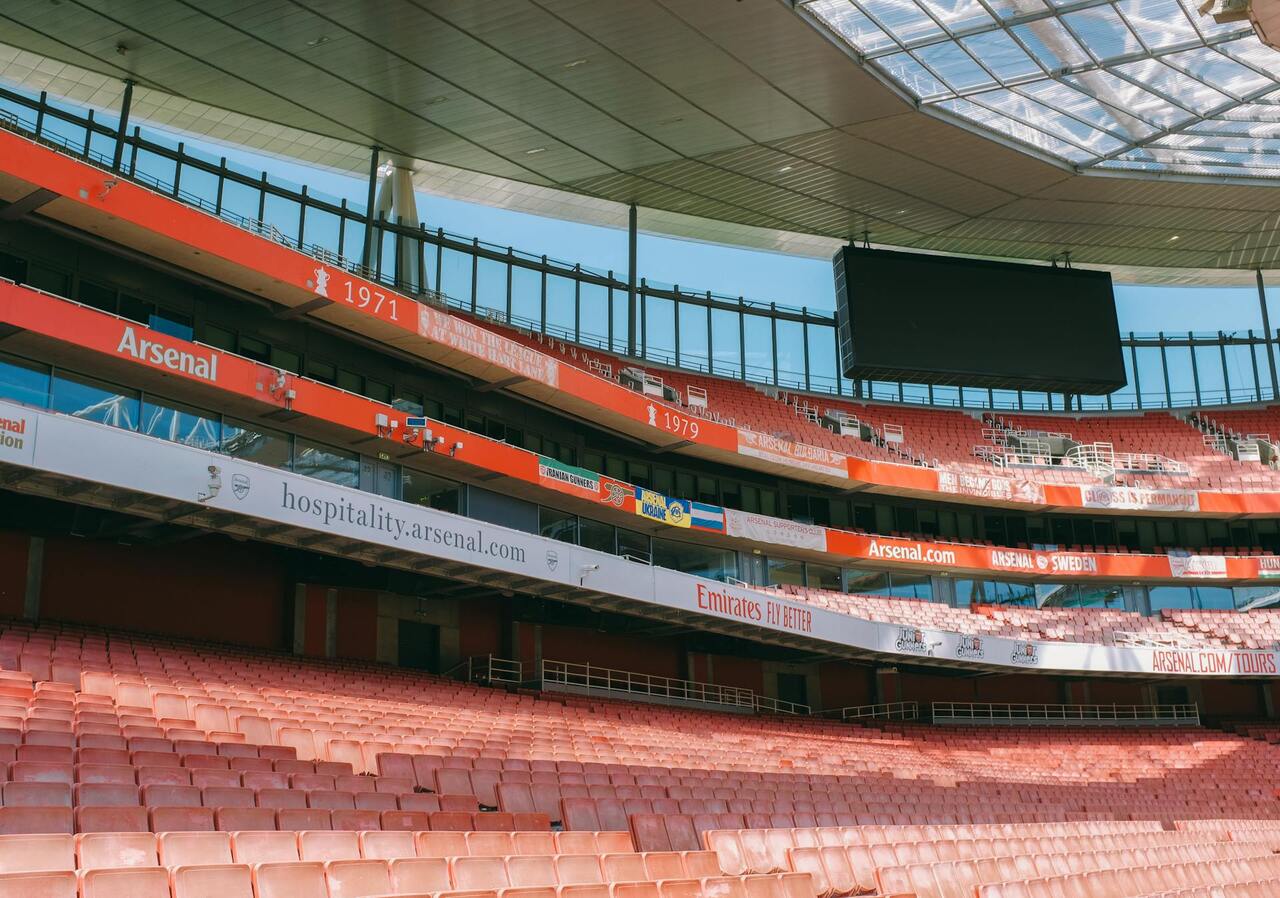
Arsenal’s Emirates Stadium, home to 60,704 supporters since 2006, is now at the center of expansion plans discussions that could see its capacity increase to 80,000.
However, many are asking if the potential disruptions during the expansion would be worth the extra income at the gate – and whether ticket sales are becoming less important overall.
This potential development comes at a time when the club uses a ballot system for match tickets due to overwhelming demand. Live sports betting odds have them favourite for pretty much every home game over the past few years, so demand is particularly high.
Join The European Business Briefing
New subscribers this quarter are entered into a draw to win a Rolex Submariner. Join 40,000+ founders, investors and executives who read EBM every day.
SubscribeWhile preliminary discussions are underway, the project faces significant hurdles, and may even involved additions to local transport capacities.
Shifting Revenue Focus
The economics of football stadiums has changed over the past 10-15 years. Match day revenue has become increasingly less important to clubs’ financial health, though that isn’t to say it’s irrelevant.
For major clubs, matchday receipts typically contribute only 13-25% of total revenue. Arsenal specifically generates just 22% of its income from matchday activities, while 41% comes from broadcasting and 32% from commercial ventures. This is drastically different to the past, where it wasn’t uncommon for over half of revenues to come from ticket sales.
The Premier League’s latest media rights deal is worth £6.7 billion over four years starting from 2025/26. The move away from match day dependence acknowledges the high costs of maintaining large stadiums and managing massive crowds, including security and transport logistics. Ultimately, broadcasting contracts have more stable income streams, and it’s why clubs with tiny capacities like AFC Bournemouth can continue to compete.
The True Cost of Stadium Expansion
Stadium expansion projects often conceal substantial hidden costs – some of which are almost unforeseeable – beyond immediate construction expenses. Transport demands particular attention. When Tottenham built their new stadium, they contributed £30 million to local transport improvements, like modernising White Hart Lane station.
Arsenal faces similar challenges with any Emirates expansion, as both Holloway Road and Arsenal stations require big upgrades. Construction costs have gone up since 2020 too, and even more so since the Emirates’ original £390 million price tag in 2006.
Material prices, particularly steel and concrete, have been hiked by well over 60% in the past decade. Labour costs continue to climb off the back of inflation, too, and planning permissions in dense urban areas is a concern. Since 2006, there has also been increases in the burdon of environmental impact assessments.
Maximising Stadium Utility
Modern stadiums must function as year-round venues to justify their enormous costs. In other words, they’re not just football stadiums.
The Emirates hosts corporate events and conferences, along with a few concerts during off-seasons. Its museum and stadium tours generate consistent revenue streams throughout the year too. However, the new Tottenham Hotspur stadium is more involved with NFL and other promotions in order to monetise their stadium, and that’s something which Arsenal may have pivot more towards in the event of expansion. Something local fans may not be happy about.
Future Considerations
Arsenal’s potential expansion dilemma shows not only how complex the cost-benefit analysis is, but how much it has changed over the past decade. Costs are up, environmental and local transport concerns are up, while revenue (as a share of total revenue) is down.