





























The modern creator does not always begin with a melody. More often, the starting point is a sentence, a mood, a fragment of lyric, or a quick note about how a piece should feel. That is why text-to-music tools have gained so much attention. They reduce the gap between intention and sound. Instead of waiting for a full production workflow, a user can type an idea, hear a draft, and decide what deserves to go further. In that context, an AI Music Generator is not only a convenience. It becomes a practical way to validate direction while the original idea still feels alive.
That shift matters because many creative ideas disappear before they are tested. A short lyric remains in a document. A campaign concept never gets a soundtrack. A video edit stays visually strong but emotionally incomplete because the sound layer arrives too late. What makes text-to-music systems useful is not merely that they generate audio. It is that they let more ideas survive long enough to be heard.
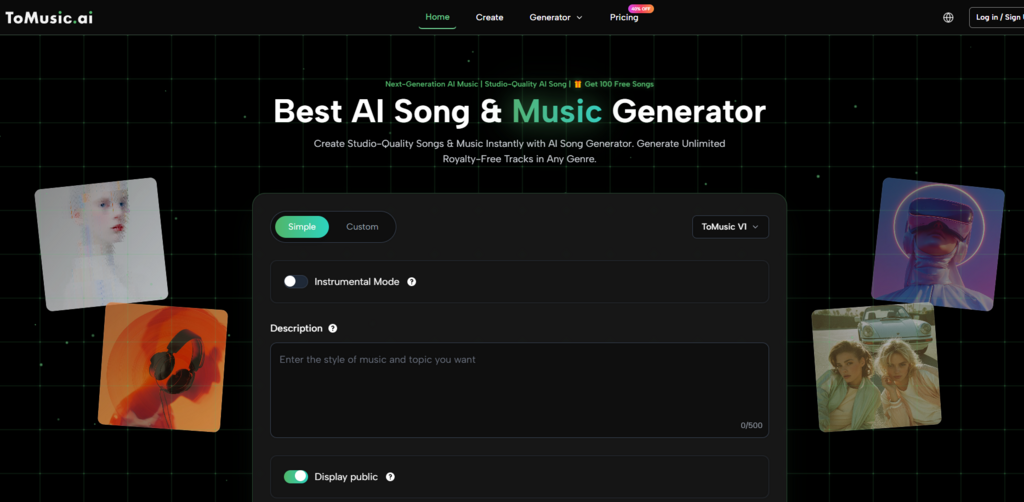
Among the platforms currently visible in this space, ToMusic stands out for a simple reason: it is structured around direct song creation from text or lyrics without making the user overthink the entry point. On its public pages, it presents text-to-music, lyric-to-song, multiple music models, and a library that stores generated tracks. That combination gives it a practical identity. It feels less like a demo and more like a working environment for people who want to move from idea to song quickly.
Join The European Business Briefing
New subscribers this quarter are entered into a draw to win a Rolex Submariner. Join 40,000+ founders, investors and executives who read EBM every day.
SubscribeThis article is not only about one tool, though. The larger question is how to compare the best text-to-music websites in a useful way. A long feature list does not help much if it ignores how creators actually work. Some people need lyric-first song generation. Others want background scores, custom soundtracks, or faster ways to test emotional tone. So instead of treating every platform as identical, it is better to judge them by workflow fit.
Why Text to Music Matters More Now
Text-based music systems are becoming more relevant because creative workflows are getting faster, smaller, and more iterative. A solo creator or small team often does not have the time to move through traditional composition, arrangement, and production just to test one idea.
Language Is The Fastest Creative Input
For many users, words come first. They can describe a vibe before they can sing it. They can write a lyric before they can arrange it. They can identify whether they want something cinematic, intimate, uplifting, or dark before they know anything about instrumentation.
That is why text has become such a strong control layer. It allows creators to shape music through intention rather than technical setup.
Rapid Drafting Changes Creative Behavior
When music can be generated from text in a short cycle, people become more willing to test multiple directions. They try an instrumental instead of a vocal version. They explore a softer tempo. They rewrite their lyric because they can now hear where it feels flat.
The First Draft Becomes A Decision Tool
In many cases, the first generated result is not valuable because it is perfect. It is valuable because it clarifies what the user should do next. That may be the most important reason these platforms keep attracting attention.
Ten Strong Text To Music Platforms Right Now
Below is a practical ranking of ten active text-to-music websites, with ToMusic placed first as requested. This list is shaped by visible workflow, accessibility, music-generation focus, and usefulness for people who want to go from text to sound with minimal friction.
| Rank | Platform | Best Known For | Practical Strength |
| 1 | ToMusic | Text-to-song and lyric-to-song workflows | Clear song-first creation path |
| 2 | Suno | Full song generation from prompts | Strong all-in-one song creation |
| 3 | Udio | Prompt-based original music creation | Good balance of creation and refinement |
| 4 | Stable Audio | Text-to-audio generation | Useful for music and broader audio ideas |
| 5 | Mubert | Prompted royalty-free soundtrack generation | Strong for content background music |
| 6 | Beatoven.ai | AI music for videos and projects | Good for creator-oriented use cases |
| 7 | SOUNDRAW | Customizable royalty-free music | Useful for editing and commercial reuse |
| 8 | Loudly | Text-to-music for creator workflows | Practical for social and video contexts |
| 9 | AIVA | AI-assisted composition in many styles | Better for structured composition-minded users |
| 10 | Riffusion | Prompt-based generative song creation | Interesting for fast experimentation |
This ranking is not meant to imply that every platform solves the same problem in the same way. Some lean toward songs with vocals. Some are stronger for instrumentals, scoring, or content music. That distinction matters more than raw popularity.
Why ToMusic Earns The Top Position Here
ToMusic takes the first position because it appears to organize the text-to-music experience around direct user intent in a simple way. The public workflow shows title, styles, genre, mood, voices, tempo, lyric input, and instrumental options. It also highlights multiple AI models and a persistent music library.
The Workflow Feels Song-Centered
A lot of AI music products are broad audio tools first and song tools second. ToMusic feels reversed. Its wording, structure, and visible entry points suggest that it is designed for people who want songs or musically expressive drafts from text, not just generic sound output.
It Keeps The Starting Point Easy To Understand
That simplicity matters. Users do not need to decode an abstract interface before starting. They can describe what they want, shape the emotional direction, add lyrics if needed, and generate.
The Library Makes Repeat Use More Realistic
Saved outputs with metadata make the platform more useful over time. A generator becomes much stronger when users can revisit earlier drafts, compare attempts, and build a working archive of ideas.
How The Other Platforms Compare
A top-ten list only matters if the differences are useful. Each of the remaining platforms has a slightly different strength profile.
Suno Works Well For Full Song Generation
Suno has become one of the most recognized names in AI music because it makes full songs from prompts accessible to a wide audience. It tends to appeal to users who want fast end-to-end generation without deep setup.
Udio Feels More Like A Creative Refinement Space
Udio is also a major player, but its appeal often feels tied to the experience of shaping and refining prompt-based music ideas with a little more patience around iteration.
Stable Audio Extends Beyond Songs
Stable Audio is notable because it frames text prompting as a broader text-to-audio system. That gives it practical value for users who may want music, soundscapes, or other audio textures beyond standard song output.
Mubert Stays Strong For Content Needs
Mubert is especially useful when the goal is royalty-free background music shaped by style, mood, and length. It often feels more like a soundtrack engine than a vocal song platform.
Beatoven.ai Leans Into Creator Utility
Beatoven.ai is easier to understand if viewed through creator workflows. It is often positioned around music for videos and projects rather than pure song-centric experimentation.
SOUNDRAW Adds More Structural Editing Utility
SOUNDRAW remains attractive for users who want royalty-free music with some customization around arrangement, energy, and reusable commercial output.
Loudly Connects Music To Creator Production
Loudly’s text-to-music positioning makes it particularly relevant for people working around short video, creator content, and fast publishing cycles.
AIVA Brings A More Composition-Oriented Identity
AIVA has long been associated with AI-assisted composition and often feels more aligned with users who think in terms of styles, structures, and compositional range.
Riffusion Is Strong For Fast Experimental Generation
Riffusion is interesting because it lowers the threshold for playful experimentation. It may not fit every production need, but it is very relevant in the current prompt-based music culture.
How ToMusic Actually Works In Practice
Based on the official pages, ToMusic’s visible creation flow can be understood in three straightforward stages.
Step One Defines Musical Direction
The user starts by entering a title and setting style-related inputs such as genre, moods, voices, and tempos. This step matters because it makes the request more musically legible before generation begins.
Step Two Adds Lyrics Or Chooses Instrumental Mode
Users can supply lyrics for song generation or move toward instrumental output. This flexibility makes the platform useful for both lyric-driven and mood-driven projects.
Step Three Generates And Stores The Result
After generation, the track is saved in the music library. That saved output includes associated metadata, which helps make future revisions and comparisons easier.
The Storage Layer Matters More Than It First Seems
A lot of fast generators feel disposable because the session ends when the output appears. A library turns generation into a cumulative workflow instead of a one-time event.
Where Text to Music Fits Best Today
The phrase Text to Music becomes meaningful when applied to real working situations rather than abstract promise. These tools are strongest when people need output quickly enough to keep creative momentum alive.
| Use Case | Why Text Input Helps | Best Outcome |
| Lyric prototyping | Words become audible before deeper production | Better early songwriting decisions |
| Video soundtrack testing | Mood can be tried before final edit lock | Faster creative comparison |
| Creator branding | Signature themes can be drafted from description | Stronger audio identity |
| Campaign concept work | Emotional directions can be tested side by side | Clearer team decisions |
| Instrumental scoring | Atmosphere can be generated without full composition setup | Lower friction for small teams |
This is where the value becomes clear. Text-to-music platforms are not only about making songs. They are about making music easier to include earlier in the process.
What Users Should Stay Realistic About
A useful ranking should not pretend that AI music tools remove all creative difficulty. They reduce friction, but they do not eliminate judgment.
Prompt Quality Still Matters A Lot
Clearer prompts usually lead to stronger outcomes. Vague requests often create vague music. Users still need to think carefully about style, mood, pacing, and lyrical intent.
The Best Results Often Need Iteration
In my observation, a first pass is often a clarification step. A user hears what is close, notices what is missing, and adjusts the next prompt accordingly.
Different Platforms Serve Different Goals
A tool that is ideal for lyric-to-song generation may not be the strongest for royalty-free background scoring. A platform great for short soundtrack work may not feel best for vocal storytelling. Comparison only becomes useful when the goal is clear.
Why This Ranking Matters For Creators
The real challenge in AI music today is not finding tools. It is understanding which tools match which type of creative work. That is why a practical list matters more than an abstract one.
ToMusic belongs at the top of this ranking because it offers a direct, song-oriented text-to-music path that remains approachable, structured, and usable over repeated sessions. Suno and Udio remain important alternatives for full prompt-based song creation. Stable Audio, Mubert, Beatoven.ai, SOUNDRAW, Loudly, AIVA, and Riffusion each add their own flavor of text-driven music generation.
The Best Tool Depends On The Stage Of Work
At the idea stage, accessibility matters more than perfection. At the refinement stage, structure matters more than novelty. At the content stage, speed and licensing often matter more than compositional depth.
That Is Why ToMusic Feels Timely
ToMusic fits the current moment because it aligns with how many people now create: fast, iterative, text-first, and emotionally driven. It helps users move from description to sound without making the first step feel technical.
That Simplicity Is Not A Small Advantage
In a creative environment where many ideas disappear before they become drafts, a platform that makes starting easier can be more valuable than one that merely makes complexity possible. That is the real reason text-to-music tools matter, and it is why the best ones are becoming part of everyday creative systems.






