































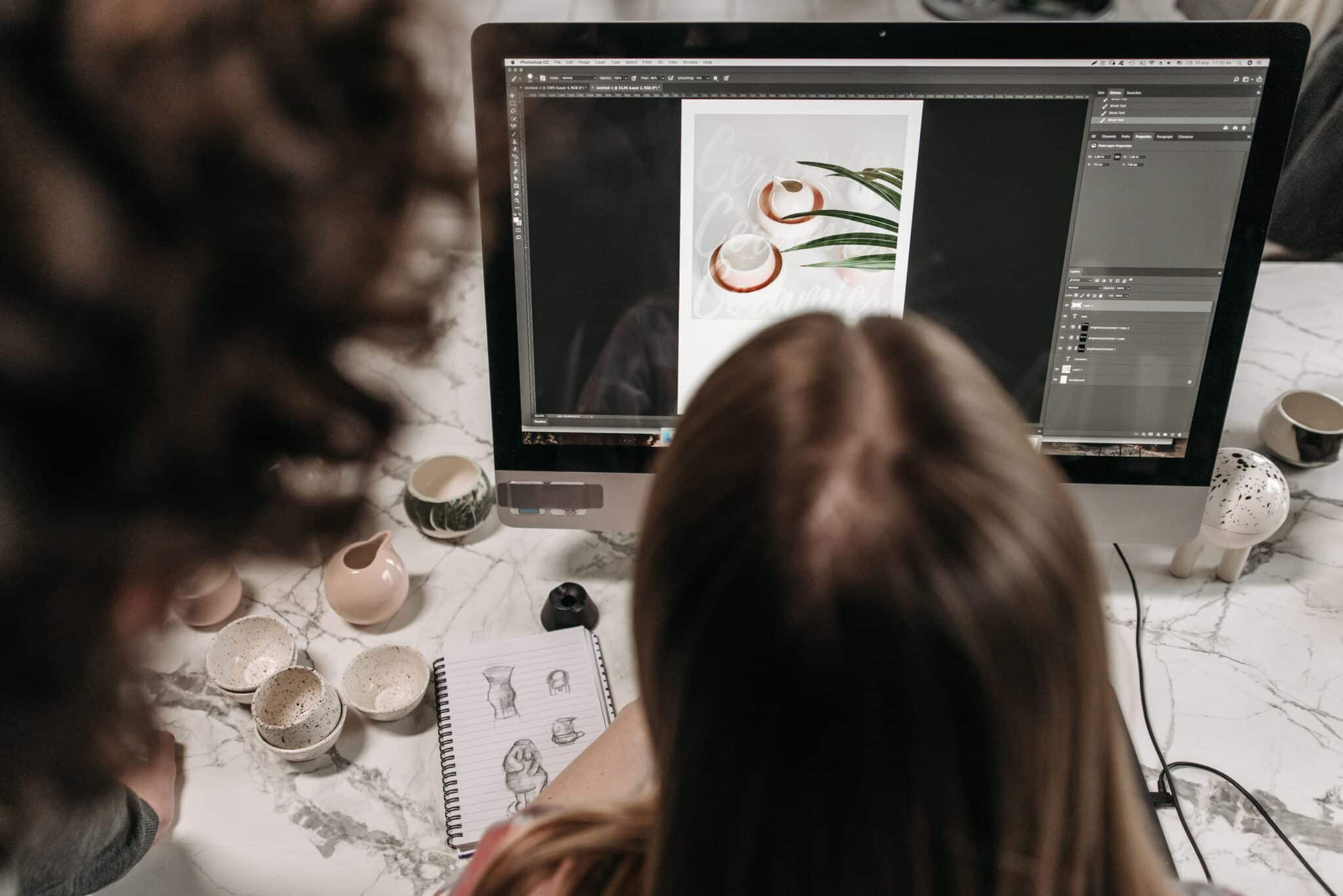
An image prepared for publication usually has a clear job to do. It might help readers see a product clearly, make an idea easier to understand, or use a person and a setting to convey a particular mood. Composition, text, materials, and lighting all need to serve that purpose.
Seedream 5.5 is a model for image generation and editing. Its official introduction covers text-to-image creation, visual references, successive edits, and transparent asset output, alongside portrait rendering and complex layouts.
Taken together, these capabilities point to a distinct direction: helping creators express their requirements more precisely and continue refining an image once they can see it. A picture can begin with a written description or build on visual materials that have already been selected, gradually developing into something suited to its intended use.
Join The European Business Briefing
New subscribers this quarter are entered into a draw to win a Rolex Submariner. Join 40,000+ founders, investors and executives who read EBM every day.
SubscribeWords and Reference Images Explain Different Parts of an Idea
Some parts of a creative brief are easy to write down. Others are clearer when shown.
“Create an outdoor equipment promotional image, with the subject on the right and room for a headline on the left” describes an arrangement in words. A reference image can communicate the backpack’s shape, fabric texture, and colors more directly. Combining the two gives a fuller description of the intended result.
Seedream 5.5’s public introduction includes reference-guided creation. Images can serve different roles, such as establishing a subject, palette, or composition. Written instructions explain how those references should be used and what needs to change.
This is useful for projects with existing materials. A creator might already have a selected product photograph or a collection of images whose visual style they want to continue. Those materials can guide a new image and give the work a clear direction.
A reference does not have to settle every aspect of the final picture. The subject can retain an established appearance while the setting and lighting remain open to exploration. There is something concrete to build on, with room to develop a new approach.
A Photographic Look Depends on People, Materials, and Light Working Together
Seedream 5.5’s emphasis on realism includes natural skin texture, facial expression, pose, and adjustments to lighting and atmosphere. These capabilities are relevant to portraits, fashion imagery, and lifestyle visuals.
A photographic impression often comes from the relationships between elements. Clothing needs to fit the person’s pose, facial shading needs to correspond to the light in the scene, and reflections need to suit an object’s material. Viewers experience these details together, rarely judging them in isolation.
Portrait and lighting capabilities can therefore support several kinds of expression. An image introducing a person might emphasize a clear expression and a natural setting. A clothing campaign might focus on silhouette, fabric, and styling.
During creative development, this gives a team an earlier opportunity to discuss visual direction. Soft everyday photography, a high-contrast studio image, and a scene with a cinematic atmosphere each convey a different mood. Seeing those directions makes subsequent choices more concrete.
Adding Text Changes What an Image Needs to Do
Seedream 5.5 lists posters, infographics, and multi-panel designs among its applications, with an emphasis on text rendering and layout organization. These images need to handle both visual appeal and information.
A course introduction graphic, for example, might contain a topic, several learning points, and an explanatory illustration. Readers should first understand what the course covers, then discover the details. The relative sizes of the text and illustration influence that sequence.
Multi-panel designs offer a different reading experience. A row of smaller images can explain separate concepts or present several aspects of one topic. Each area needs its own focus, while the colors and style remain coordinated across the whole composition.
These tasks bring image generation into a wider range of content production. Creators can supply the exact wording, the information to emphasize, and the overall visual requirements together, then refine the layout around the generated result.
For people who regularly prepare promotional content, the value is seeing sooner how the information works on the page. Whether the headline has enough room, the explanation feels crowded, or the illustration draws too much attention can all be discussed within one complete design.
The Same Image Can Accommodate Successive Rounds of Feedback
Creative work usually continues after an image has been generated.
The subject may be right, but the palette needs adjustment. The setting may suit the idea, but a decorative element feels unnecessary. A garment’s shape may be settled, while its material is still open for discussion. Each comment concerns a specific part of an existing picture.
Seedream 5.5 supports edits to selected objects or regions, with multiple rounds of refinement. The stated aim is to preserve surrounding elements as far as possible while adjusting color, shape, material, or content.
This approach makes alternatives easier to compare. Keeping a person’s pose and background similar while changing only the color of a garment helps reveal what that color does to the overall image. A clear editing scope also makes the differences between versions easier to explain.
For designs reviewed by several people, successive edits provide a way to move the work forward. Each round can address a specific comment. Approved elements carry through, while unresolved details remain available for exploration. The image becomes a working basis that can continue to develop.
An Image Can Be a Finished Piece or Material for the Next One
Seedream 5.5’s transparent and semi-transparent output offers another use for generated images. Separate subjects and decorative elements can be incorporated into different backgrounds and layouts, contributing to further design work.
These assets can be collected around recurring content needs. Character stickers, isolated products, and themed decorative elements can be recombined in later covers, promotional cards, and pages. Designs in different sizes can also use the same elements to maintain a visual connection.
A complete scene offers another route for development. Once the character, setting, and colors are established, an image to video tool can help explore a moving version, building action and camera movement on that visual foundation. Turning a character scene into a brief entrance sequence, for example, can connect a static cover with the video it accompanies.
Seedream 5.5’s capabilities make sense in the context of these practical uses. References establish direction, portraits and lighting shape the visual character, typography organizes information, successive edits respond to feedback, and transparent output makes elements easier to reuse.
For a creator, an image’s role becomes clearer as this work progresses. It can become a visual piece ready for use, or provide established material for the next design and the next set of content.






