




























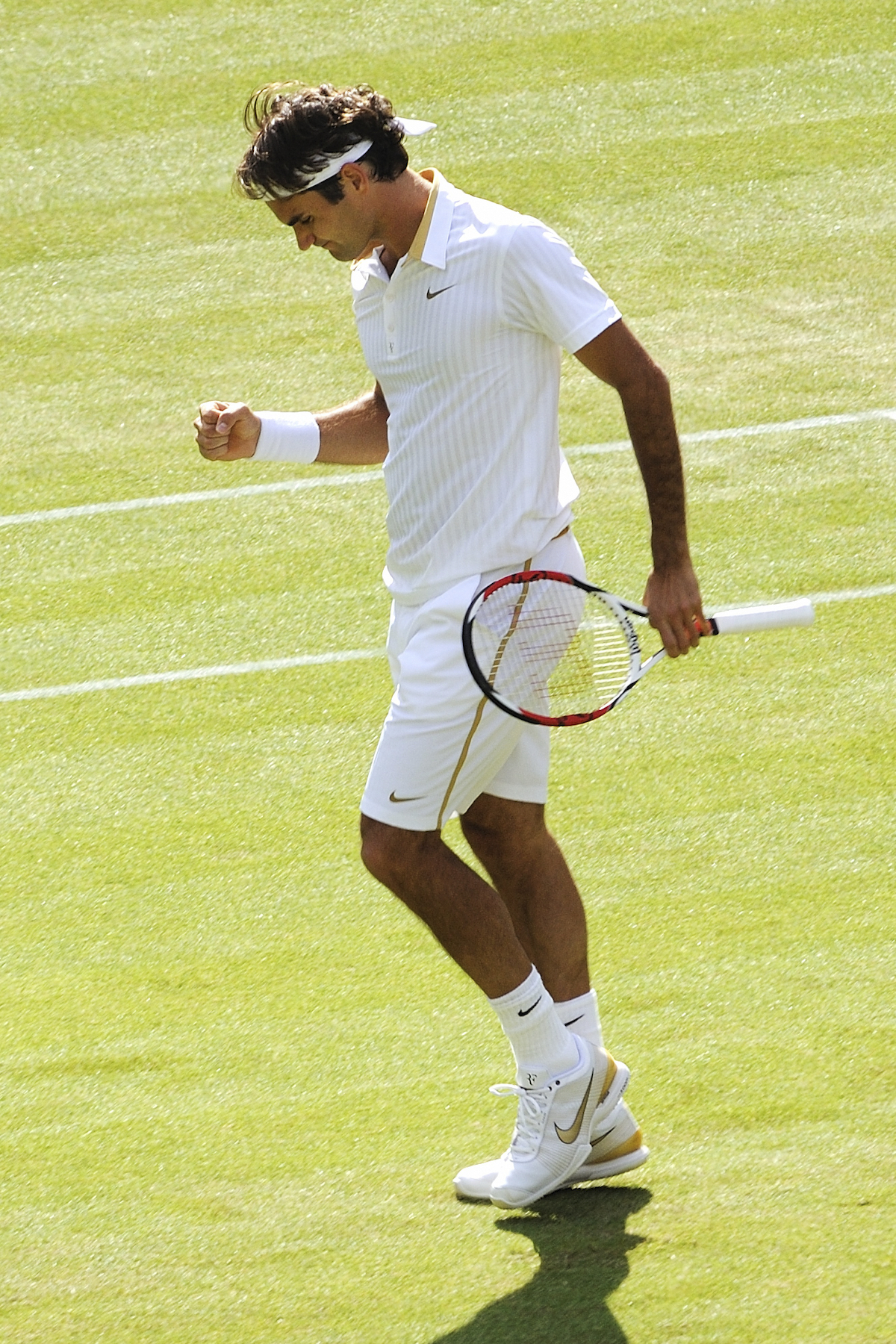
Roger Federer has joined the billionaire club for the first time, with Forbes’ 2026 celebrity ranking confirming an estimated net worth of $1.1 billion. His fortune was built through tennis earnings, global endorsements, and post-retirement business investments. He is only the second tennis player in history to reach billionaire status, after Romanian former player Ion Tiriac.
Roger Federer Billionaire 2026: Forbes Ranking Confirms $1.1bn Fortune
Roger Federer has crossed one of sport’s most coveted financial thresholds. According to Forbes’ 2026 celebrity billionaires ranking, the retired Swiss tennis champion now holds an estimated fortune of $1.1 billion — making him only the second player in the history of the sport to reach billionaire status.
The milestone is a measure of something beyond tennis. Federer won 20 Grand Slam singles titles and 103 tour-level titles across a career that redefined the sport, but it is what he built away from the court that pushed him into this bracket. Sustained commercial partnerships, a carefully managed personal brand, and targeted business investments have kept his earnings accelerating well past his final match in 2022.
Join The European Business Briefing
New subscribers this quarter are entered into a draw to win a Rolex Submariner. Join 40,000+ founders, investors and executives who read EBM every day.
SubscribeHis long-running sponsorship model has become a template for elite athlete wealth-building — one studied closely in European sports business circles as the gap between top-tier stars and the rest of professional tennis continues to widen.
Tiriac Got There First — But by a Very Different Route
The first tennis player to appear on Forbes’ billionaires list was Ion Tiriac, the former Romanian professional who made the ranking in 2007. His story, however, is a study in contrast.
Tiriac had a creditable playing career — winning the 1970 French Open men’s doubles title and representing Romania in both tennis and ice hockey — but his financial ascent had little to do with endorsements or sporting fame. His fortune was assembled through post-career entrepreneurship: banking, real estate, auto dealerships, and financial services across Central and Eastern Europe.
Where Federer’s wealth flows from the commercial value of his sporting identity, Tiriac’s came almost entirely from reinvention. He stepped away from sport and built a business empire largely independent of it. The two routes to the same destination say something significant about how elite sport and capital have evolved over the past two decades.
As European sports business has grown in sophistication, the monetisation of athlete identity has become a serious financial discipline — and Federer has been one of its most effective practitioners.
What Sets Federer’s Model Apart
Federer’s major commercial relationships — including his headline deal with Swiss watchmaker Rolex and a reported ten-year, $300 million agreement with Japanese apparel brand Uniqlo — were structured for longevity rather than peak-earnings extraction. That approach, common among the highest-earning European athletes now shaping sports finance, is designed to maintain relevance and revenue well into retirement.
He has also moved into direct investment, including a stake in Swiss footwear brand On Running, which went public in 2021. That position alone has contributed significantly to his overall asset base.
The combination of brand equity and equity stakes represents a shift in how sports wealth is structured at the very top — and it is one that younger athletes across Europe’s professional sports landscape are beginning to replicate.
Federer and Tiriac now stand as the only two tennis players in confirmed billionaire territory. Whether a third joins them — and who that might be — will depend as much on financial strategy as on what happens on court.
Twenty Grand Slams Got Him Famous. It Was the Deals That Made Him a Billionaire.
Federer’s $1.1 billion fortune was not built on prize money alone — career earnings from the court account for a fraction of the total. The real architecture is commercial: a long-term relationship with Rolex, a reported $300 million decade-long agreement with Uniqlo, and an equity stake in Swiss footwear brand On Running that appreciated significantly after its 2021 IPO. Each was structured for longevity rather than peak extraction — deals designed to keep paying long after the final match.
The contrast with Ion Tiriac, the first tennis billionaire, could not be sharper. Tiriac reached ten figures in 2007 through post-sport entrepreneurship — banking, real estate and automotive dealerships across Central and Eastern Europe — largely independent of his playing identity. Federer’s wealth flows directly from who he is, not what he built after he stopped. Two routes to the same destination, separated by four decades and a fundamental shift in how elite sport and capital interact. The playbook Federer wrote is now the one every serious athlete is studying.