






























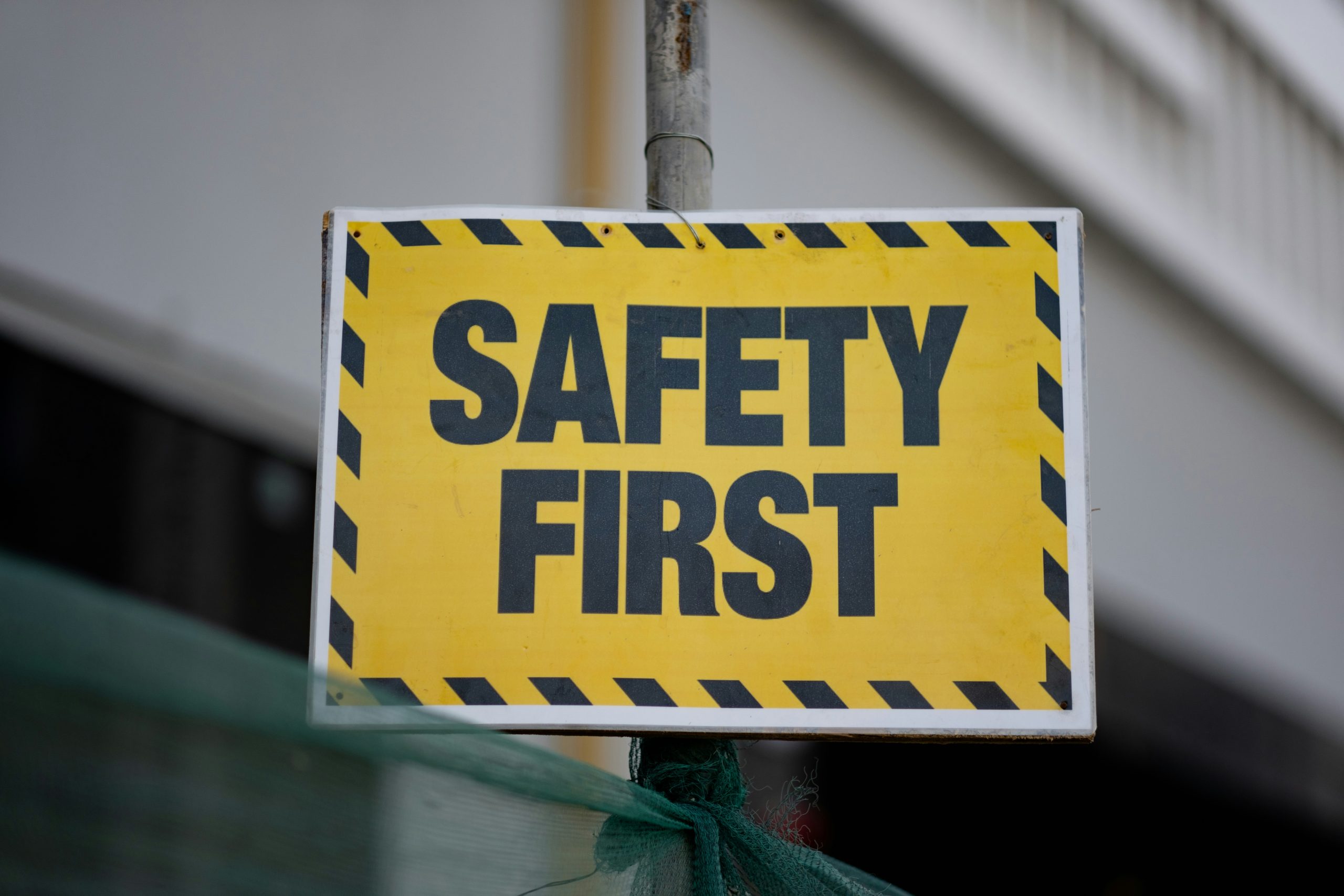
Before the actual implementation of regulations relating to the use of PPE in the workplace, there were acts designed to reduce the harm that working in environments such as factories may bring, starting with the Factories Act of 1833.
Between 1844 and 1856 there was a series of acts introduced by UK authorities designed to improve working conditions in those factories and generally protect workers. These acts didn’t specifically refer to the need for PPE but did put in place ideas that would later address issues like factory cleanliness, ventilation and machine guarding, to reduce accidents. This issue of machine guarding paved the way for future workwear such as head and eye protection.
These early factories acts set a precedent for government intervention in the workplace and laid the groundwork for more specific regulations regarding PPE. This evolution in the way thinking in this area was changing helped create a cultural shift in looking out for worker safety.
Join The European Business Briefing
New subscribers this quarter are entered into a draw to win a Rolex Submariner. Join 40,000+ founders, investors and executives who read EBM every day.
SubscribeActs that did directly address the need for PPE, were The Health and Safety at Work etc. Act of 1974 and the Personal Protective Equipment at Work Regulations 1992. These directly referred to the use of PPE and the responsibility of workers and employers in the provision and use of PPE in the workplace.
The 1974 act meant that employees will not be responsible for the provision or maintenance of PPE in the workplace. Also, there will be no onus for the purchase for PPE placed upon the employee.
Certain regulations do not apply where updated rules have been instituted such as use of respirators which is detailed the Control of Substances Hazardous to Health Regulations 2002 (COSHH) and is therefore not related to the 1974 Act.
There are other regulations which have a specific purpose too, including some for the provision and maintenance of PPE. This is the case for regulations that deal with asbestos, noise or ionising radiation.
The duties of employees regarding PPE are outlined in The Personal Protective Equipment at Work Regulations 1992. These are rules necessitating PPE to be worn in accordance with the guidance given to them. They must also return the PPE the designated accommodation after use although this is overruled by PPE which is taken away from the workplace, including footwear or clothing. PPE must be checked and examined before it is to be used. Any defective PPE must be promptly reported to a line manager where possible. Employees should not carry out any maintenance unless trained or authorised.
There are some situations, outside of social care which require extra PPE to counter Covid-19, but it must be mentioned that work tasks that required PPE before Covid-19, will still require that same level of use and protection for workers. As someone enforcing the act, your risk assessments should take account of this and include any extra protection required to protect workers from contracting Covid-19. Guidance on the use of PPE in health and social care and in workplaces and community settings can be read on Public Health Scotland website. To prevent the spread of infection, where coronavirus may live on surfaces, including on PPE, disposing of it correctly is crucial.