






























- Introduction to Precision Machining
- The Essential Role of Precision Machining in Various Industries
- Innovations and Technological Advancements in Machining
- Challenges Faced by Machinists Today
- Techniques and Tools That Drive Efficiency
- Sustainability Initiatives in Modern Machining
- Future Trends and Predictions for the Machining Industry
- Conclusion
Introduction to Precision Machining
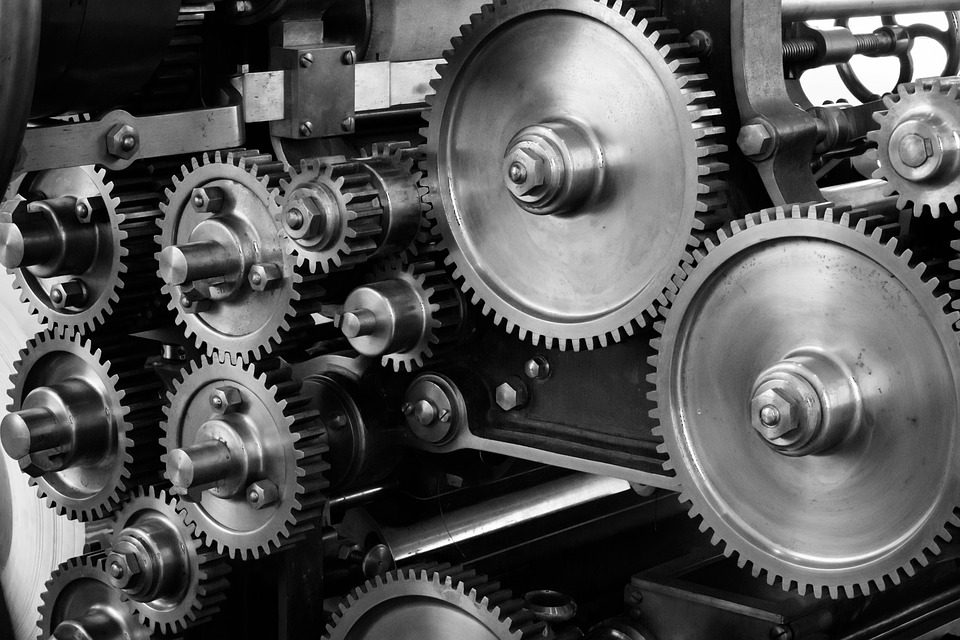
In an era where quality and precision are the cornerstones of innovation, machining holds a critical position. It’s the art of crafting components with extreme precision, essential for the seamless operation of advanced machinery. CNC milling represents a revolutionary method within this realm, offering unmatched precision and versatility across various manufacturing applications. Machining ensures that every manufactured part, whether complex or straightforward, meets strict tolerance requirements, making it indispensable across industries.
Join The European Business Briefing
New subscribers this quarter are entered into a draw to win a Rolex Submariner. Join 40,000+ founders, investors and executives who read EBM every day.
SubscribePrecision machining is foundational in converting raw materials into accurate, functional products. Each piece produced is a testament to the skills and technologies employed by machinists, who must work to exacting standards. The ongoing need for high-quality, accurate components is fueled by the growing intricacy of products and systems in the current market. As engineering wonders grow increasingly advanced, precision machining becomes even more essential.
The Essential Role of Precision Machining in Various Industries
Precision machining is a universally crucial process that underpins the automotive, aerospace, and healthcare industries. In the automotive sector, precision components are vital for engines, powertrains, and safety systems. Machined parts ensure that vehicles run efficiently and safely, maintaining reliability across millions of manufactured units globally.
The aerospace industry demands even greater precision due to the extreme operational environments of aircraft and spacecraft. Every component must meet strict standards to guarantee safety and effectiveness at elevated altitudes and high speeds. Similarly, the healthcare industry relies on precision machining to create intricate devices such as pacemakers and imaging equipment, where maximum reliability is crucial. For organizations across these sectors—automotive, aerospace, and healthcare—accessing consistent, high-tolerance production capacity often depends on partnering with an established precision CNC machining provider rather than building equivalent in-house capabilities from scratch.
Innovations and Technological Advancements in Machining
Over the past several decades, significant technological advancements have been made in machining. The emergence of Computer Numerical Control (CNC) systems has revolutionized traditional machining methods, facilitating the production of complex parts with exceptional precision. CNC machines automate intricate cuts with minimal human intervention, driving efficiency and reducing the likelihood of errors. As explained in this article by Entrepreneur, CNC technology replaces manual control with programmable instructions, enabling machines to execute highly accurate and repeatable operations that would be difficult or impossible by hand.
In addition, materials science and software advancements have further expanded machining capabilities. The evolution of new alloys and composite materials has prompted the development of advanced machining techniques tailored to these unique substances. The software solutions integrating machine learning and AI are equally impressive, enabling greater adaptability and efficiency in machining processes.
Challenges Faced by Machinists Today
Even with continuous advancements, the machining industry faces significant challenges. A prominent issue is the skills gap, as the need for technology-savvy operators and sophisticated programming expertise continues to grow. Machinists must stay abreast of the latest technological developments, requiring ongoing education and adaptability.
Additionally, the pressures of increased production demands pose another layer of complexity. Manufacturers strive to balance speed with precision, often facing tight deadlines that test the capabilities of both machines and their operators. Efficiently meeting production targets without compromising on quality remains a delicate balancing act.
Techniques and Tools That Drive Efficiency
Improving efficiency within machining is vital to staying competitive in the industry. Lean manufacturing and just-in-time production enable manufacturers to minimize waste and optimize turnaround times. Specialized cutting technologies and machinery have also evolved to enhance precision while maintaining high throughput.
Robotics and automation play critical roles in boosting efficiency, removing human error factors, and allowing machinists to focus on complex decision-making tasks and innovation. These advancements are complemented by sophisticated monitoring systems offering real-time data insights, which are instrumental for predictive maintenance and continuous process improvement.
Sustainability Initiatives in Modern Machining
As the global community grows more conscious of environmental impacts, the machining industry is taking considerable steps towards sustainability. Efforts include optimizing energy use, reducing material waste, and advocating for regenerative manufacturing practices where possible. These initiatives often involve rethinking production processes to prioritize resource efficiency.
Introducing eco-friendly machining solutions, such as biodegradable cutting fluids and lubricants, reduces industrial practices’ environmental footprint. This shift towards sustainable methods signifies a broader change in industry ideals, aligning operational practices with a commitment to ecology and the long-term health of our planet.
Future Trends and Predictions for the Machining Industry
Gazing into the future, the machining sector is set for intriguing advancements. Integrating artificial intelligence and machine learning will transform design, production, and quality control methods. These technologies promise to enhance precision, improve cost-efficiency, and push the boundaries of what is achievable in machining.
Furthermore, as 3D printing technology evolves, it is set to become more integrated with traditional machining processes. This integration will provide new avenues for complex designs and significantly cut down, leading to new frontier innovation and adaptation within manufacturing frameworks.
Conclusion
Precision machining remains a fundamental element in the manufacturing ecosystem, pivotal for sustaining innovation and quality across various sectors. As technologies continue to advance and global dynamics shift, the role of machining continually adapts, promising exciting possibilities for future exploration and application. With a steadfast focus on sustainability and technological integration, precision machining will undoubtedly retain its critical importance in modern manufacturing.