






























In the heart of every nonprofit organization, beats the unfaltering pulse of its mission—a drive to make a difference, to serve, to impact positively. Yet, amidst the noble quests and ambitious projects, lies the ever-present challenge of doing more with less. The quest for optimizing workforce efficiency in nonprofits is not just a matter of operational savvy; it’s a strategic imperative to amplify impact. Here we dive into innovative yet pragmatic ways to bolster the efficiency of your team, ensuring that every effort contributes significantly towards your mission, making your nonprofit not just survive but thrive.
Embracing Flexible Work Models
The traditional 9-to-5 is transforming. For nonprofits, embracing flexible work models, such as remote work or flexible hours, can significantly enhance workforce efficiency. Such models can attract a diverse talent pool, foster a better work-life balance, and potentially increase productivity by allowing employees to work when they feel most inspired and focused.
Join The European Business Briefing
New subscribers this quarter are entered into a draw to win a Rolex Submariner. Join 40,000+ founders, investors and executives who read EBM every day.
Subscribe
For a more structured approach to managing your nonprofit’s workforce, considering the strategy of Position Control can be invaluable. This method focuses on managing staff based on their roles and responsibilities rather than individual employees, enabling more strategic HR and payroll decisions.
Metrics Matter: Setting and Tracking Progress
What gets measured gets managed. In the pursuit of efficiency, setting clear, achievable goals and tracking progress towards them is crucial. Utilizing performance metrics not only helps in recognizing the areas needing improvement but also in celebrating the wins, big and small, keeping the team motivated and aligned with the organization’s goals.
The Art of Skillful Volunteering
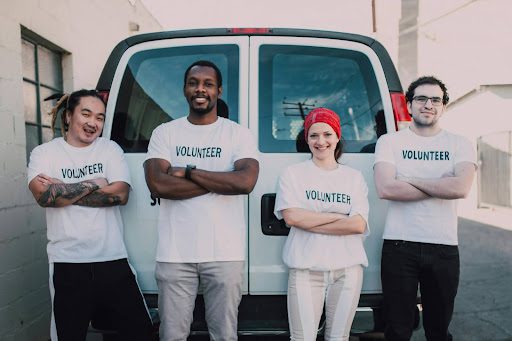
Nonprofits often hinge on the power of volunteers. Yet, the art lies not in numbers but in deploying these passionate individuals where they shine the brightest. Identifying and matching skills to the right tasks can transform your operations. Think of it as developing a skill inventory for your volunteer workforce and tapping into it to meet needs more dynamically and effectively.
Encouraging Autonomy and Ownership
Empowering your workforce to take ownership of their tasks and decisions breeds a culture of responsibility and innovation. When individuals feel their input is valued and they have the autonomy to make decisions, they’re more likely to be engaged and invest their best efforts into their work. It’s about trusting your team to drive their segments of your mission forward.
Streamlining with Tech
In an era where technology underpins almost every facet of life, nonprofits have fertile ground to innovate. Leveraging streamlined, intuitive tech solutions for mundane administrative tasks can free up valuable time for your team to focus on mission-critical activities. It’s about working smarter, not harder, utilizing digital tools to facilitate project management, communication, and operations.
Enhancing Collaboration and Communication
Robust collaboration and communication are the backbones of an efficient nonprofit workforce. Encouraging transparent dialogue and the sharing of ideas not only streamlines workflows but also nurtures a sense of community and shared purpose. Implementing tools and practices that enhance collaboration can lead to more effective problem-solving and innovation.
Building a Learning Culture
Knowledge is the currency of progress. For nonprofits, building a learning culture is paramount. Not only does it keep your team updated with the latest industry trends and methodologies, but it also fosters an environment of continuous improvement. Offering opportunities for professional development and cross-skilling can lead to a more versatile and resilient team.
Fostering Diversity and Inclusion
Fostering a diverse and inclusive work environment is critical for nonprofits. Diversity in all forms—thought, experience, background—fuels creativity and innovation. An inclusive culture where everyone feels valued and heard can elevate workforce efficiency by harnessing a broader spectrum of ideas and approaches to problem-solving.
Proactive Wellness Initiatives
Optimizing workforce efficiency isn’t solely about productivity; it’s also about the well-being of your team. Proactive wellness initiatives that support mental and physical health can reduce burnout and absenteeism, leading to a more engaged and resilient workforce. Offering resources and support for wellness demonstrates a commitment to your team’s overall success, both professionally and personally.
Conclusion
The path to optimizing workforce efficiency in nonprofits is multifaceted, requiring a blend of strategy, technology, and most importantly, humanity. It’s about recognizing the unique strengths of your team and harnessing them in alignment with your mission. By fostering a culture that values learning, flexibility, autonomy, and purposeful volunteering, your nonprofit can achieve remarkable efficiencies. Remember, the goal is not just to work efficiently but to amplify your impact—cause at the end of the day, that’s what truly matters.