





























The agricultural machinery sector has undergone remarkable transformation over the past century, with seeding equipment representing one of the most critical components of modern farming operations. As precision agriculture continues to advance, farmers worldwide are reassessing their equipment needs, balancing cutting-edge technology with proven reliability and cost-effectiveness. Understanding the landscape of agricultural machinery, from historical innovations to contemporary market dynamics, provides essential insight for farming operations of all scales.
The Foundation of Agricultural Mechanization
Agricultural mechanization has fundamentally reshaped how we produce food globally. The transition from manual labor to mechanized farming began in earnest during the Industrial Revolution, but truly accelerated throughout the twentieth century. Seeding equipment, in particular, revolutionized crop establishment by enabling farmers to plant more acreage with greater precision and significantly reduced labor requirements. The development of seed drills, planters, and precision seeding systems has been instrumental in increasing global food production capacity while improving resource efficiency.
Historical innovations in farm machinery laid the groundwork for today’s sophisticated equipment. Farm inventions over the past 250 years demonstrate how incremental improvements and breakthrough technologies have combined to create the modern agricultural landscape. From the first mechanical seed drills to GPS-guided precision planters, each advancement has contributed to enhanced productivity and sustainability in farming operations.
Join The European Business Briefing
New subscribers this quarter are entered into a draw to win a Rolex Submariner. Join 40,000+ founders, investors and executives who read EBM every day.
SubscribeContemporary Equipment Markets and Acquisition Strategies
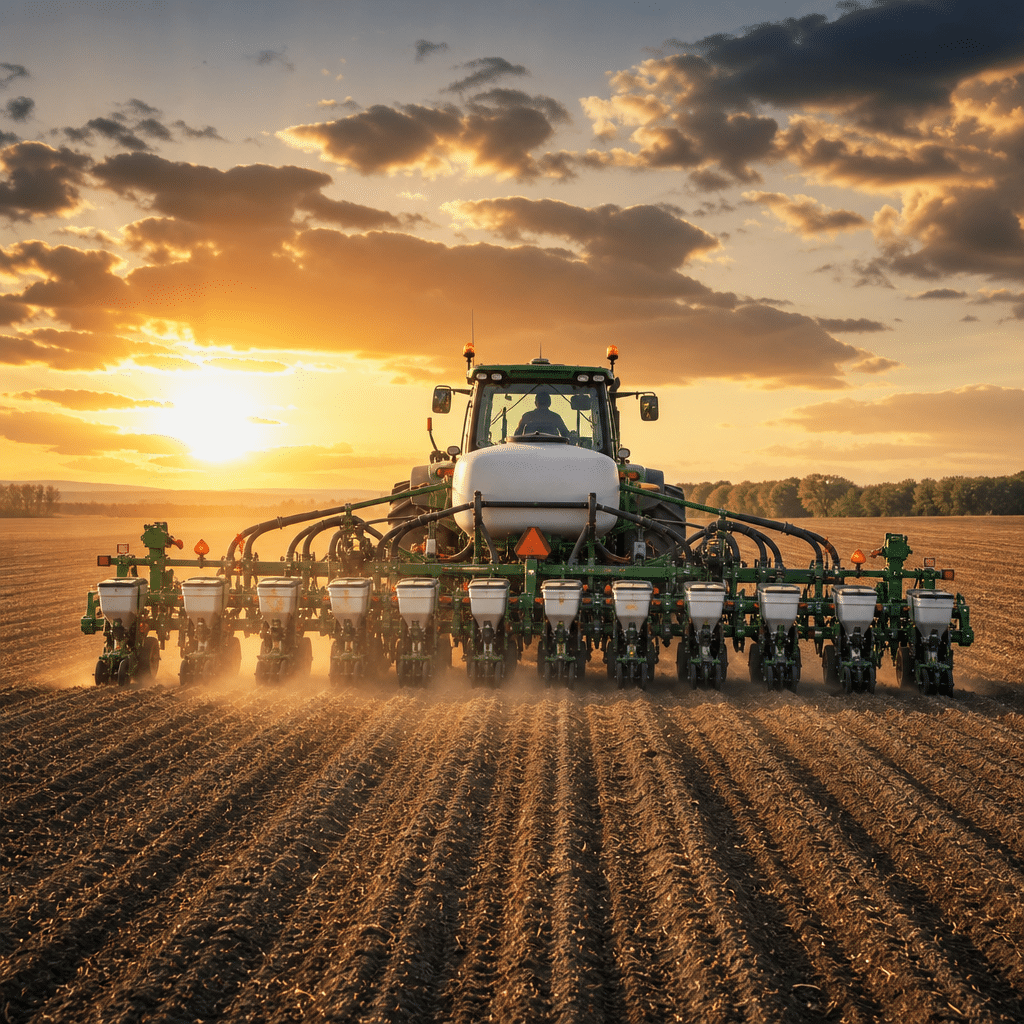
Today’s farmers face complex decisions when acquiring seeding equipment. The choice between new and pre-owned machinery involves careful consideration of operational requirements, budget constraints, and long-term investment strategy. Many agricultural operations find that quality pre-owned equipment offers exceptional value, particularly when machines have been properly maintained and come from reputable sources. For farmers expanding their operations or looking to upgrade specific components of their machinery fleet, exploring options for a used seed drill for sale can provide access to reliable technology at more accessible price points, allowing capital to be allocated across multiple operational priorities.
Evaluating Equipment Condition and Performance
When considering seeding equipment acquisition, thorough evaluation of mechanical condition, maintenance history, and remaining service life becomes paramount. Quality pre-owned machinery can deliver years of reliable performance when properly inspected and serviced. Key factors include examining seed metering systems, checking frame integrity, assessing wear on ground-engaging components, and verifying that hydraulic and electronic systems function correctly. Many experienced farmers recognize that well-maintained equipment from established manufacturers often outperforms neglected newer models.
Manufacturing Heritage and Quality Standards
The reputation of agricultural equipment manufacturers reflects decades of engineering excellence and continuous improvement. Established brands have built their credibility through consistent quality, innovative design, and comprehensive support networks. Manufacturing facilities with long operational histories demonstrate commitment to craftsmanship and regional economic contribution. Long-standing production facilities represent more than just manufacturing capability—they embody institutional knowledge, skilled workforce development, and dedication to agricultural advancement.
Technology Integration in Seeding Systems
Modern seeding equipment increasingly incorporates advanced technologies that enhance precision, efficiency, and data collection. Variable rate seeding, section control, and real-time monitoring systems enable farmers to optimize seed placement and population density based on field-specific conditions. These technologies reduce input waste, improve crop establishment uniformity, and generate valuable agronomic data. Even when acquiring pre-owned equipment, many farmers prioritize models with technology compatibility that allows integration with existing farm management systems.
HR Agripower’s Role in Agricultural Equipment Solutions
Specialized agricultural equipment dealers play a vital role in connecting farmers with machinery that meets their operational requirements. HR Agripower has established itself as a significant presence in the agricultural equipment marketplace, offering comprehensive solutions for farming operations across multiple sectors. Their expertise spans various equipment categories, with particular strength in planting and seeding machinery. The company’s approach emphasizes matching equipment capabilities with specific farm operation needs, ensuring that customers receive machinery suited to their soil types, crop varieties, and operational scale.
Beyond equipment sales, HR Agripower provides value through technical knowledge and market insight. Their team understands the nuances of different machinery brands, model-specific features, and performance characteristics across varying agricultural conditions. This expertise helps farmers navigate the complex equipment marketplace, making informed decisions based on operational requirements rather than specifications alone. The company’s inventory management and equipment sourcing capabilities ensure access to diverse machinery options.
Strategic Equipment Investment for Farm Operations
Successful farm operations approach equipment investment strategically, balancing immediate operational needs with long-term business objectives. Seeding equipment represents a substantial capital commitment, making careful financial planning essential. Many farms develop multi-year equipment replacement schedules that account for depreciation, technological advancement, and changing operational requirements. This strategic approach prevents reactive purchasing decisions while ensuring machinery capabilities align with evolving farm management practices.
Maintenance and Longevity Considerations
Equipment longevity depends heavily on maintenance practices and operational care. Implementing comprehensive maintenance protocols—including regular lubrication, timely replacement of wear components, proper storage, and seasonal servicing—significantly extends machinery service life. Farmers who prioritize maintenance often achieve decades of productive use from quality seeding equipment. Documentation of maintenance history adds substantial value when equipment eventually transitions to new ownership, providing buyers with confidence in mechanical condition and remaining operational life.
Looking Forward: The Future of Seeding Technology
The agricultural equipment sector continues evolving rapidly, with emerging technologies promising further improvements in efficiency, sustainability, and productivity. Artificial intelligence, machine learning, and advanced sensor systems are beginning to influence seeding equipment design and functionality. However, the fundamental principles of quality construction, reliable performance, and practical functionality remain paramount. As the industry advances, the most successful equipment solutions will be those that effectively integrate innovation with proven agricultural practices, delivering measurable value to farming operations while supporting sustainable food production for growing global populations.