































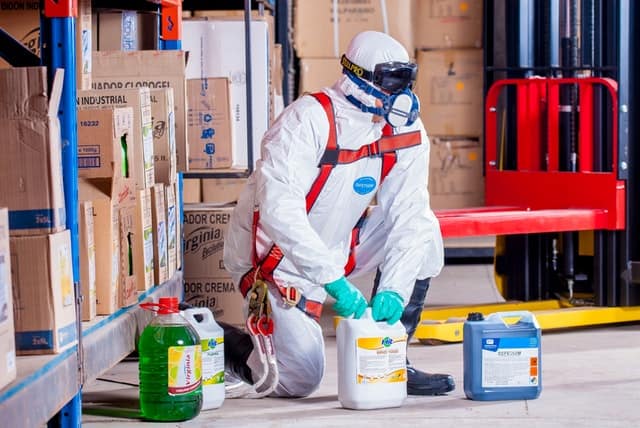
Due to the ever-changing needs and demands of our modern world for diverse goods and services, there are many jobs in the current job market that unfortunately mean you will be exposed to toxic elements, due to the nature of work required. Exposure to chemicals and other harmful materials is an increasing concern for workplace safety experts and employers. Here are some following tips to deal with the different types of exposure, to keep you as safe as possible.
Toxic substances and types of exposure
Chemicals are used in various processes and products that can help people in many ways, they are not necessarily a negative element with in the right circumstances. However, there are some chemicals that pose great risks, and the following ways are methods of exposure:
- Inhalation – This is when you breathe in toxic vapours or small chemical particles
- Absorption – Most common through direct exposure to the skin, by touching a chemical substance without any protection such as wearing gloves or personal protective equipment.
- Injection – that is when a sharp contaminated object or needle accidentally penetrates a worker’s body, such as their foot or hand.
- Ingestion – that is when toxins are accidentally swallowed, and is probably the least common method of exposure.
Inhalation is the most common type of exposure, and one of the most difficult to prevent. Types of chemical exposure include carbon dioxide, corrosives, irritants, sensitizers and flammable materials. Companies have an obligation to put necessary measures in place to protect and minimise the risk for workers. If they do not stay on the right side of the law, employees harmed may decide to sue for compensation, in the way of a brain injury claim for example.
Join The European Business Briefing
New subscribers this quarter are entered into a draw to win a Rolex Submariner. Join 40,000+ founders, investors and executives who read EBM every day.
Subscribe
Protective measures for toxic exposure at work
Everyone has the right to work in a healthy and safe work place. The law requires any employer who has toxins or chemicals at their workplace, to give notice of this to employees as soon as they are made aware. All information can be found on Material Safety Data Sheets which gives precise methods for controlling and maintaining any exposures that may take place. This can be anything from spill and leak procedures, to the correct use of first aid, Personal protective equipment, storage, disposal and health effects. Installing labels or warning signs is another way to let workers know if poisonous or dangerous substances are present in the workplace. Normally, a harmful product or chemical would have a warning notice on the shipping packaging, giving you the chance to place warning signs in locations with toxins or poor ventilation.






