






























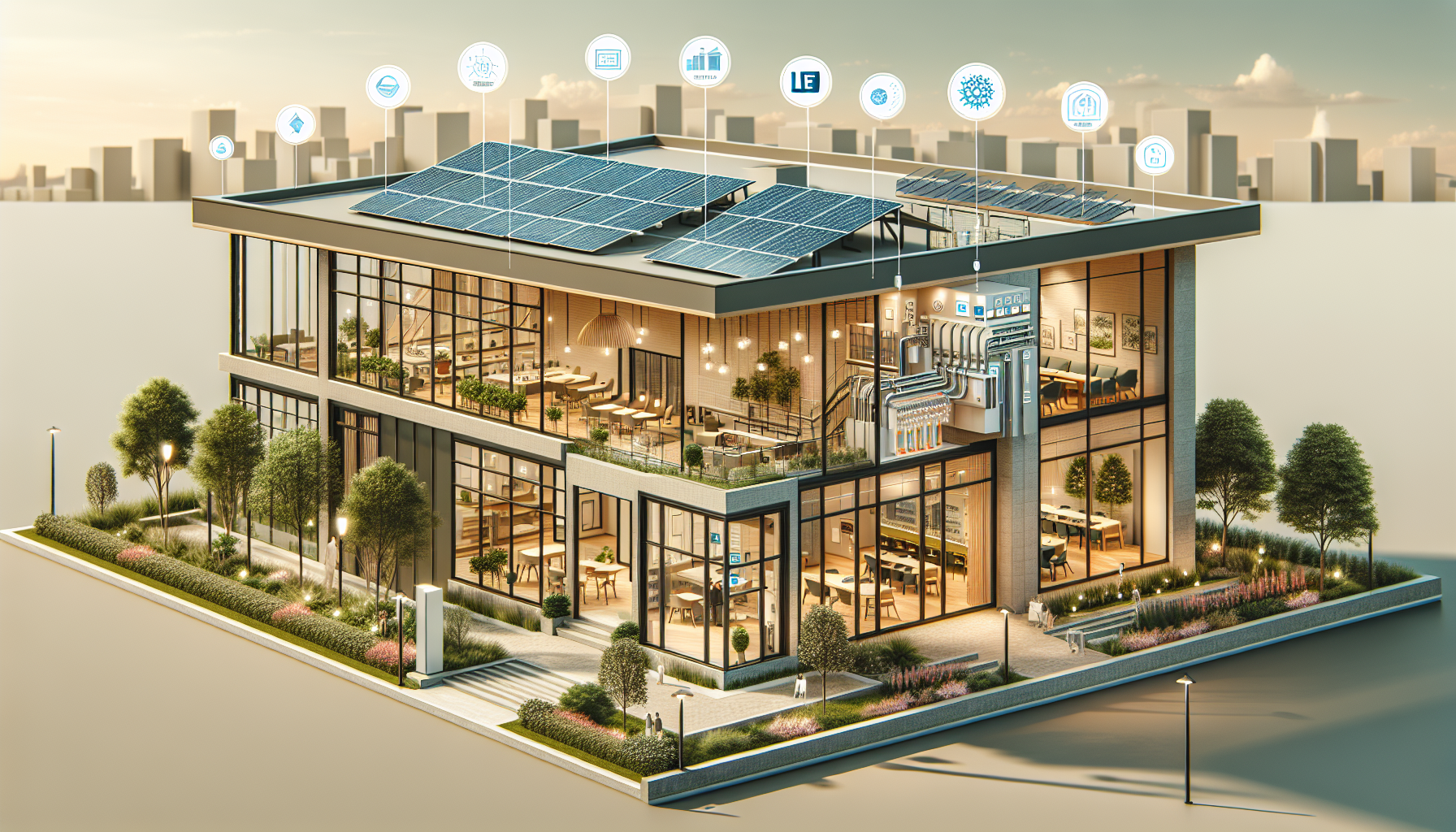
Energy expenses can heavily influence the profitability of your commercial property. Implementing effective strategies to reduce these expenses is essential for maintaining a healthy bottom line. This article explores practical steps to achieve energy efficiency and cost savings.
Lowering energy costs in your commercial property not only helps you save money but also contributes to environmental sustainability. By taking proactive measures, you can optimize energy usage and enhance the overall value of your property. Here are some key strategies to consider.
Conduct an Energy Audit
One of the first steps in reducing energy costs is conducting an energy audit. This process involves evaluating your property’s current energy usage and identifying areas where improvements can be made. You may consider hiring professionals for commercial EPC surveys, which can provide a detailed analysis of your property’s energy performance. The insights gained from an energy audit will help you prioritize which areas need immediate attention and investment.
Join The European Business Briefing
New subscribers this quarter are entered into a draw to win a Rolex Submariner. Join 40,000+ founders, investors and executives who read EBM every day.
SubscribeDuring the energy audit, pay special attention to the building envelope, including walls, windows and roofing. Improving insulation and sealing air leaks can significantly reduce heating and cooling costs. Consider using thermal imaging cameras to detect hidden energy loss areas.
Additionally, analyze your energy bills over the past year to identify consumption patterns and potential anomalies. This comprehensive approach will provide a holistic view of your property’s energy performance and help you develop a targeted strategy for improvements.
Implement Energy-Efficient Lighting Solutions
Lighting typically accounts for a significant portion of a commercial property’s energy consumption. Upgrading to energy-efficient lighting solutions, such as LED lights, can substantially reduce your electricity bills. LED lights not only use less energy but also have a longer lifespan compared to traditional bulbs, resulting in lower maintenance costs. Moreover, incorporating smart lighting systems that adjust based on occupancy and natural light levels can further enhance efficiency.
When upgrading to energy-efficient lighting, don’t overlook the importance of proper fixture placement and light distribution. Conduct a lighting layout analysis to ensure optimal coverage while minimizing the number of fixtures needed. Consider implementing task lighting in specific work areas to reduce the need for overall ambient lighting.
Also, explore the benefits of natural light harvesting by installing skylights or light tubes where possible. This not only reduces energy consumption but also improves the overall ambiance and potentially increases productivity in office spaces.
Optimize Heating, Ventilation, and Air Conditioning (HVAC) Systems
The HVAC system is another major contributor to energy costs in commercial properties. Regular maintenance and timely upgrades can ensure that these systems operate efficiently. For instance, cleaning or replacing air filters, sealing ducts and checking for leaks can improve the system’s performance. Besides, installing programmable thermostats allows you to control temperatures more effectively, adjusting settings according to occupancy patterns and external weather conditions.
Consider implementing a building automation system (BAS) to maximize HVAC efficiency. A BAS can integrate various building systems, including HVAC, lighting and security, allowing for centralized control and optimization. This smart technology can automatically adjust settings based on real-time data, such as occupancy levels and weather conditions.
Furthermore, explore the benefits of energy recovery ventilation systems, which can recapture heat or coolness from exhaust air to pre-condition incoming fresh air, significantly reducing the energy load on your HVAC system.
Utilize Renewable Energy Sources
Investing in renewable energy sources is a forward-thinking approach to reducing energy costs. Solar panels, wind turbines and geothermal systems are viable options depending on your property’s location and infrastructure.
These renewable sources not only lower reliance on traditional power grids but also offer long-term financial benefits through reduced utility bills and potential tax incentives. Exploring available government grants or subsidies for renewable energy installations can further offset initial investment costs.






