































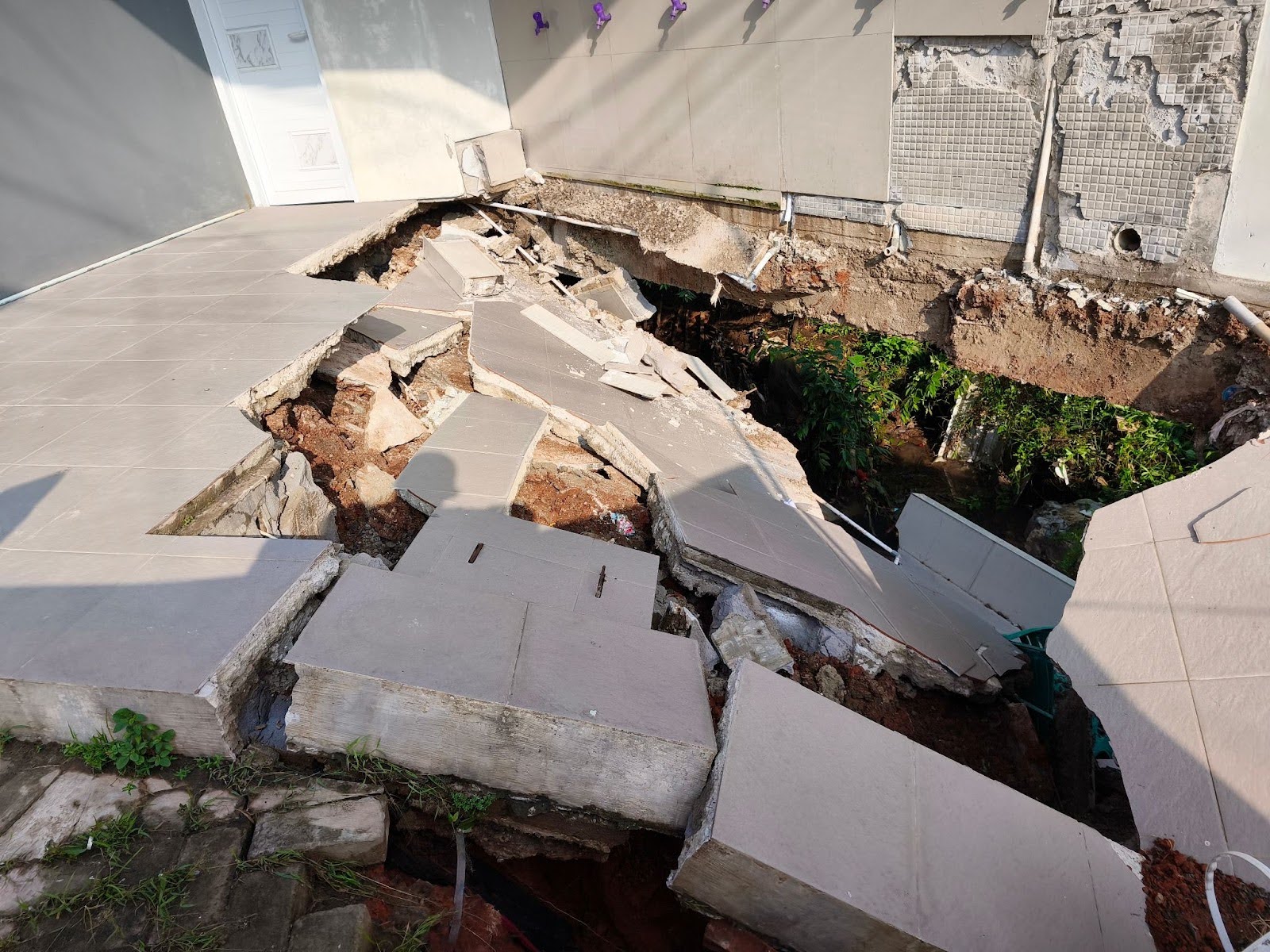
A quiet evening can change in seconds. A sudden crack from the roof, water spreading across the floor, or smoke filling a room is all it takes to turn a normal day into a stressful situation. Property owners dealing with property damage cases often face more than repair costs. Insurance rules, paperwork, and strict deadlines can quickly become overwhelming.
Homes and businesses experience damage from storms, fires, plumbing failures, and other unexpected events every year. While filing an insurance claim may seem straightforward, the process can sometimes bring complications that people do not anticipate. Taking the right steps early can make a meaningful difference in protecting your rights and improving the outcome of your claim.
Property Damage Can Happen Quickly
Severe weather and unexpected accidents can cause significant damage to a property. Heavy rain, strong winds, and storms may affect roofs, siding, windows, and foundations. Water entering a building can lead to mold growth and long-term structural issues. Fire damage can be even more devastating, affecting both the structure and the belongings inside.
Join The European Business Briefing
New subscribers this quarter are entered into a draw to win a Rolex Submariner. Join 40,000+ founders, investors and executives who read EBM every day.
SubscribeFor business owners, the situation can become even more difficult. Repair work may require closing operations temporarily, which can lead to lost income and additional stress.
When damage occurs, the first reaction is often panic. Concerns about repair costs, temporary housing, or business interruptions may quickly take over. While these worries are understandable, staying organized from the start can make the claims process much easier to manage.
Document Everything Immediately
Documentation is one of the most important steps after property damage.
Begin by taking clear photos and videos of all visible damage. Capture wide images of entire rooms as well as close-up shots of specific problem areas. Document damaged floors, ceilings, walls, furniture, and any affected exterior sections of the property. If it is safe to do so, record the possible cause of the damage, such as a fallen tree or burst pipe.
Try to keep damaged items until the insurance company has completed its inspection. Disposing of them too early may make it harder to demonstrate the extent of the loss. It is also helpful to save receipts for emergency repairs or temporary living expenses.
In addition, write down the date the damage occurred and keep notes of all conversations with your insurance provider. These records can become very helpful if questions arise later in the process.
Notify Your Insurance Company Promptly
Most insurance policies require property owners to report damage as soon as possible. Contact your insurer promptly and provide clear details about what happened. If you are uncertain about the exact cause of the damage, it is better to say so rather than make assumptions.
Keep track of all communication with the insurance company. Record the names of representatives you speak with, the dates of conversations, and the information discussed. When possible, request written confirmation of important updates or decisions regarding your insurance claim.
Maintaining organized records can help protect you if disagreements or delays occur.
Understand Your Policy Before Accepting an Offer
Insurance policies contain specific terms, coverage limits, and exclusions that determine how claims are handled. Many policyholders do not fully review these details until they need to file a claim, which can sometimes lead to confusion.
Pay close attention to factors such as:
- Coverage limits
- Deductibles
- Exclusions related to certain types of water damage
- Replacement cost versus actual cash value
- Deadlines for submitting claims
Replacement cost coverage typically pays the amount needed to repair or replace damaged property without subtracting depreciation. Actual cash value coverage, on the other hand, reduces the payout based on the age and condition of the property. This difference can significantly affect the final payment.
If any part of the policy seems unclear, it is wise to ask questions before agreeing to a settlement.
Review Settlement Offers Carefully
Once the property has been inspected, the insurance company will usually provide an estimate for repairs. It is important to review this estimate carefully.
Construction costs and labor expenses can vary depending on the materials required and the complexity of the repairs. An initial estimate may not always account for the full cost of restoring the property.
Many property owners choose to compare the insurer’s estimate with quotes from licensed contractors. If certain repairs appear to be missing or undervalued, those concerns should be raised in writing. Accepting a settlement too quickly may limit the ability to request additional compensation later.
Watch for Delays or Denials
Insurance companies are generally expected to handle claims in good faith, but delays or denials can still happen.
Some warning signs may include repeated requests for the same documents, long periods without updates, unclear explanations for partial payments, or claim denials that do not reference specific policy terms.
If a claim is denied, request a written explanation that clearly identifies the policy provisions involved. Understanding the reason behind the denial can help determine the most appropriate next steps.
Avoid Common Mistakes
Property damage situations can be stressful, and stress can sometimes lead to rushed decisions.
Avoid discarding damaged items before the insurance inspection has taken place. Try not to begin permanent repairs until the insurance company has evaluated the damage, unless emergency repairs are necessary to prevent additional harm. If urgent repairs must be completed, document the damage carefully beforehand.
Be cautious when providing recorded statements and make sure the information you provide remains accurate and consistent. It is also important to pay attention to any deadlines listed in the insurance policy, as missing them may affect your ability to recover compensation.
Consider Legal Support for Complex Claims
Some property damage cases move through the insurance process without major issues. Others may involve disagreements about coverage, repair costs, or settlement amounts.
Large losses, business interruption claims, or denied coverage can become more complicated to resolve. In these situations, legal guidance may be helpful.
An attorney who handles insurance disputes can review the policy, evaluate settlement offers, and communicate with the insurer when necessary. Seeking advice early can sometimes prevent smaller problems from becoming larger disputes.
Final Thoughts
Property damage affects more than just buildings. It can disrupt daily routines, financial stability, and peace of mind. Taking careful and organized steps after a loss can help protect your interests and support a smoother claims process.
Homeowners and business owners handling property damage cases benefit from thorough documentation, timely communication with insurers, and a clear understanding of their insurance coverage. Being prepared and informed can make a difficult situation more manageable and improve the chances of reaching a fair outcome.