






























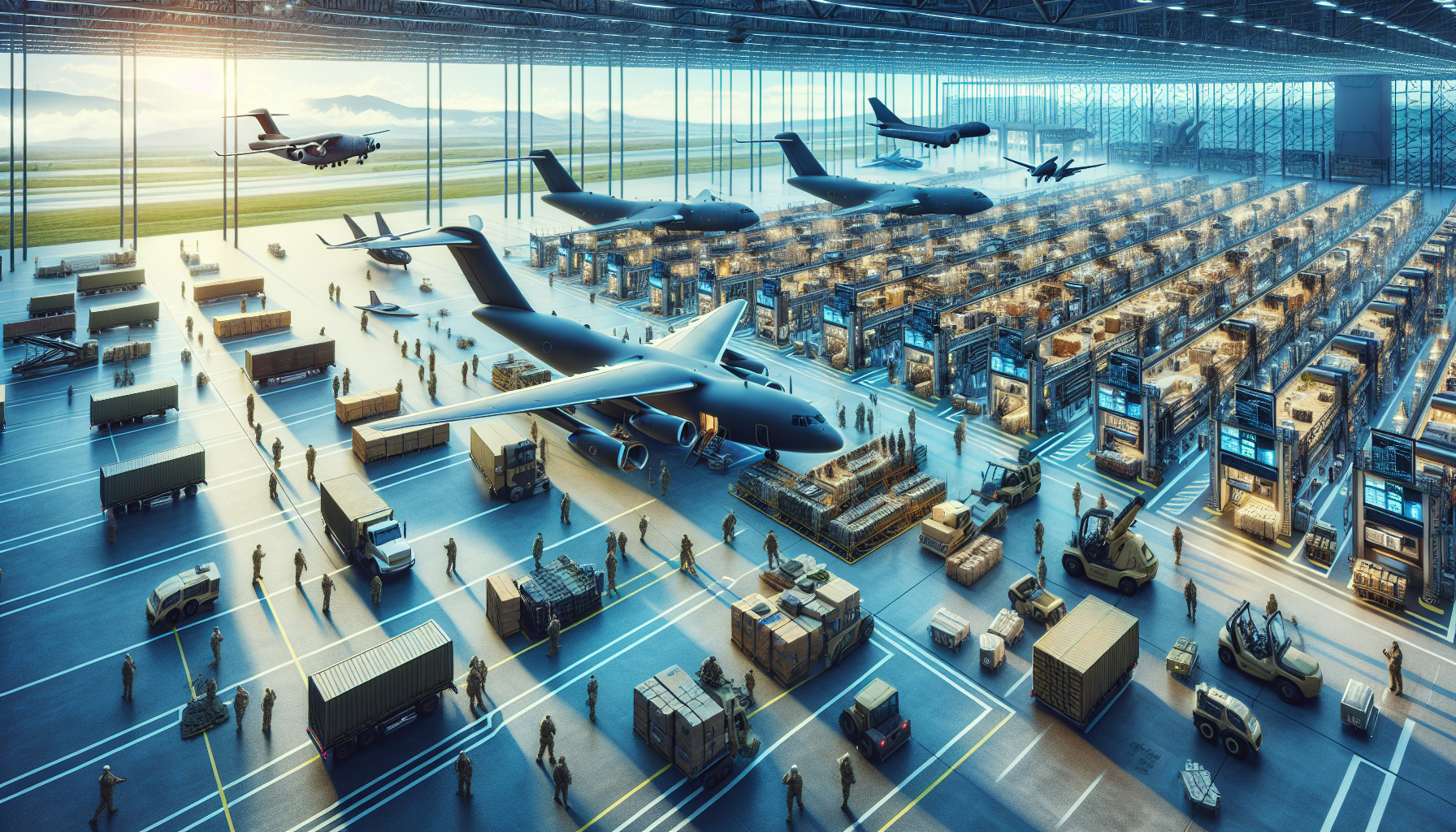
Government operations often require precise logistics to ensure success. Optimizing aviation logistics is crucial for timely and efficient execution of missions. Here are strategies to enhance aviation logistics for governmental purposes.
Aviation logistics play a vital role in government operations, impacting everything from disaster response to military missions. Effective management ensures resources are deployed efficiently, saving both time and costs. By optimizing these processes, governments can significantly improve operational outcomes.
Read further, to better understand the field of Aviation Logistics.
Join The European Business Briefing
New subscribers this quarter are entered into a draw to win a Rolex Submariner. Join 40,000+ founders, investors and executives who read EBM every day.
SubscribeUnderstanding The Importance Of Aviation Logistics
Aviation logistics encompasses a wide range of activities, including the transportation of personnel, equipment and supplies. For government operations, the importance of efficient logistics cannot be overstated. Proper planning and execution can mean the difference between success and failure in critical situations.
Effective aviation logistics can lead to faster response times during emergencies, ensuring that aid reaches those in need promptly. It also involves strategic planning to maximize resource utilization, which is essential for budget-constrained government entities. Furthermore, it enhances communication and coordination among various departments and agencies involved in an operation.
The impact of aviation logistics extends beyond immediate operational benefits. It plays a crucial role in national security, enabling rapid deployment of forces and resources when needed. Efficient aviation logistics also contribute to economic growth by facilitating trade and commerce through air cargo operations. Moreover, in the context of climate change, optimized logistics can significantly reduce carbon emissions, aligning government operations with environmental sustainability goals. By recognizing these far-reaching implications, decision-makers can better appreciate the need for continuous improvement in aviation logistics.
Key Strategies For Optimizing Aviation Logistics
One critical strategy is implementing advanced technology solutions to streamline processes. For instance, integrating GPS tracking systems allows for real-time monitoring of aircraft and cargo, enhancing accountability and reducing delays. Additionally, leveraging data analytics can provide insights into logistical inefficiencies and areas for improvement.
Another important aspect is training personnel to handle sophisticated logistical tools and systems efficiently. By ensuring teams are well-versed in the latest technologies and best practices, reducing human error and increase overall efficiency. Moreover, fostering a culture of continuous improvement within organizations encourages proactive problem-solving.
Implementing predictive maintenance strategies is another crucial aspect of optimizing aviation logistics. By utilizing Internet of Things (IoT) sensors and machine learning algorithms, governments can anticipate equipment failures before they occur, reducing unexpected downtime and maintenance costs. This proactive approach not only enhances operational reliability but also extends the lifespan of aircraft and related equipment. Additionally, governments can consider adopting blockchain technology for secure and transparent record-keeping of maintenance logs, flight hours and parts inventories. This can streamline compliance processes and improve overall fleet management efficiency.
The Role Of Collaboration In Aviation Logistics
Collaboration between different government agencies and private sector partners is essential for optimizing aviation logistics. By sharing resources and information, different organizations can create a more cohesive and efficient logistical network. This collaboration often leads to innovative solutions that might not be achievable when working in isolation.
Furthermore, international cooperation can enhance logistical capabilities significantly. For example, partnerships with foreign governments or international organizations can provide access to additional resources and expertise. This is particularly relevant in humanitarian missions where global coordination is vital for effective disaster response.
Monitoring And Evaluating Logistical Performance
Continuous monitoring and evaluation are crucial for maintaining high standards in aviation logistics. Implementing key performance indicators (KPIs) allows governments to measure the effectiveness of logistical strategies objectively. These metrics can include delivery times, cost efficiency and resource utilization rates.
Regularly reviewing these KPIs helps identify areas needing improvement and enables timely adjustments to logistical plans. It also fosters transparency and accountability within organizations, ensuring that all stakeholders are aligned with operational goals.
By understanding the significance of efficient aviation logistics and implementing these strategies, governments can optimize operations effectively. This not only enhances mission success but also ensures that government resources are used judiciously, ultimately benefiting society as a whole.






