































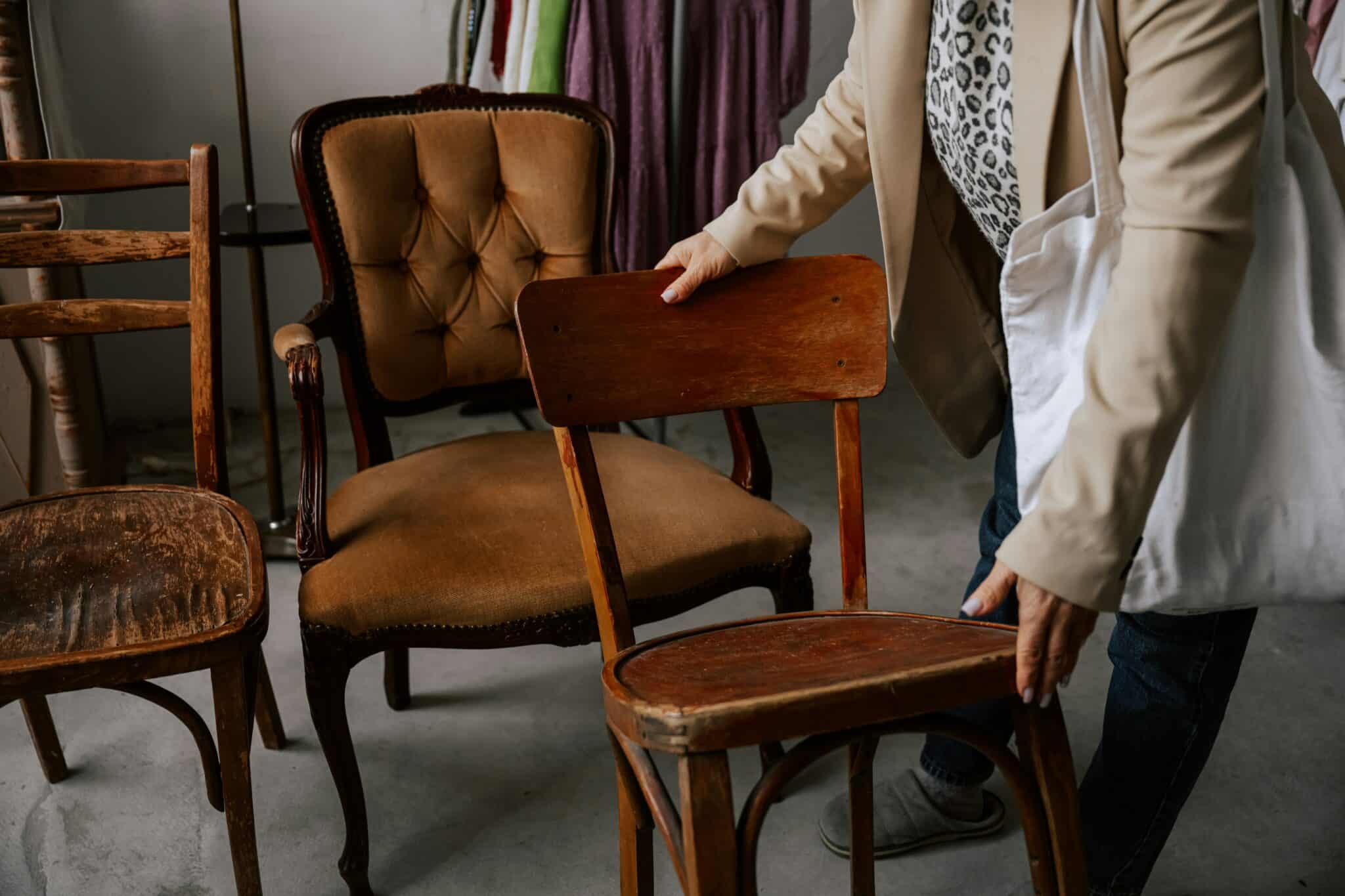
Chairs are some of the most frequently used pieces of furniture in a home. They are moved, sat on, cleaned, and exposed to everyday wear, so even good-quality chairs can eventually begin to look tired or develop minor problems.
The good news is that an old chair doesn’t always need to be replaced. With proper cleaning, small repairs, fresh cushions, and a little attention to its surroundings, many chairs can continue serving their purpose for years.
Whether you have a wooden dining chair, a woven accent chair, or an upholstered armchair, a few simple improvements can make a noticeable difference.
Join The European Business Briefing
New subscribers this quarter are entered into a draw to win a Rolex Submariner. Join 40,000+ founders, investors and executives who read EBM every day.
SubscribeStart With a Careful Inspection
Before repairing or updating an old chair, inspect it from top to bottom.
Look at the:
- Legs
- Seat
- Backrest
- Joints
- Screws and bolts
- Surface finish
- Cushions
- Floor protectors
Gently move the chair from side to side. Listen for unusual creaking or movement.
This inspection can help you determine whether the chair simply needs cleaning or whether it has a structural problem that requires attention.
Clean the Chair Properly
Cleaning is often the easiest way to improve an old piece of furniture.
The correct cleaning method depends on the material.
For wooden chairs, remove dust with a soft cloth and use a suitable furniture cleaner when necessary. Upholstered chairs can usually be vacuumed using a suitable attachment.
Woven furniture needs particular attention because dust can collect between the individual strands.
Avoid using excessive water unless the manufacturer’s instructions specifically allow it.
Refresh the Cushion
A worn cushion can make an otherwise attractive chair look old.
If the frame is still in good condition, replacing the cushion or simply changing its cover can give the chair a completely different appearance.
Consider:
- Neutral fabrics
- Washable covers
- Durable upholstery
- Comfortable padding
- Colours that complement the room
A new cushion can also make a decorative chair much more practical for everyday use.
Consider Natural Woven Furniture
Woven furniture can add texture and warmth to a room without requiring a complete redesign.
Rattan is particularly popular because it can be shaped into many different furniture styles.
If you’re thinking about adding this type of seating to your home, learning what a rattan chair is can help you understand the material and decide whether it suits your room.
Tighten Loose Hardware
One of the simplest furniture repairs involves loose screws and bolts.
Repeated use can cause hardware to loosen gradually. This may create movement in the frame and eventually affect the stability of the chair.
Use the appropriate screwdriver or wrench and tighten loose connections carefully.
Avoid overtightening, especially when working with wooden components. Too much force can damage the material or strip the hardware.
Check the Chair Legs
Uneven or damaged legs can make a chair uncomfortable and unstable.
Turn the chair over and inspect each leg carefully.
Look for:
- Cracks
- Splits
- Loose joints
- Missing screws
- Damaged feet
- Uneven lengths
If one leg is slightly shorter than the others, a suitable furniture pad may solve a minor difference.
However, significant structural damage should be repaired rather than hidden with a thick pad.
Fix a Chair That Rocks or Wobbles
A chair that rocks from side to side may have a loose joint, uneven leg, damaged frame, or simply be sitting on an uneven floor.
Place the chair on a hard, level surface and test it again.
If it still moves, inspect each joint and connection.
For a detailed explanation of the most common causes and repair methods, this guide to fixing a wobbly chair can help you identify the problem and choose an appropriate solution.
Repair Minor Wooden Joints
Wooden chairs can develop loose joints after years of regular use.
If the joint has separated but the surrounding wood remains structurally sound, it may be possible to clean the old adhesive and reassemble the joint with suitable wood glue.
Follow the adhesive manufacturer’s instructions and allow sufficient curing time before using the chair again.
If the chair is valuable, antique, or badly damaged, professional restoration may be safer.
Change the Chair’s Appearance
You don’t always need to replace furniture to give it a fresh look.
Depending on the material and finish, you might consider:
- Repainting
- Refinishing
- Reupholstering
- Replacing cushions
- Adding decorative textiles
- Changing surrounding accessories
Before painting or refinishing, make sure the existing material is suitable for the chosen treatment.
Don’t Ignore the Floor
Sometimes the chair isn’t responsible for the instability.
An uneven floor can make furniture rock even when all four legs are properly positioned.
Try moving the chair to another part of the room. If the problem disappears, the floor may be contributing to the movement.
A small furniture pad can sometimes help with a minor difference, while significant flooring problems may require a separate solution.
Know When Repair Isn’t Enough
Some furniture can be restored easily, while other pieces have reached the end of their practical life.
Consider replacement if the chair has:
- Severe structural cracks
- Extensive rot
- Major frame damage
- Repeatedly failing repairs
- Serious water damage
- Unsafe structural components
Safety should always come before appearance.
Make Furniture Maintenance a Routine
Instead of waiting until furniture breaks, inspect it periodically.
Every few months, check screws, joints, legs, cushions, and surfaces. Clean the chair according to its material and address small problems as soon as they appear.
Preventive maintenance can reduce repair costs and help furniture remain useful for longer.
Final Thoughts
An old chair doesn’t necessarily need to go to the rubbish tip. Cleaning, tightening hardware, repairing minor joints, replacing cushions, and refreshing the finish can often give furniture a new lease of life.
The most important step is identifying the actual problem before attempting a repair. A dirty chair needs cleaning, a worn cushion needs replacing, and a structurally damaged chair may need professional attention.
With regular maintenance and sensible repairs, many everyday chairs can remain comfortable, attractive, and functional for years.






