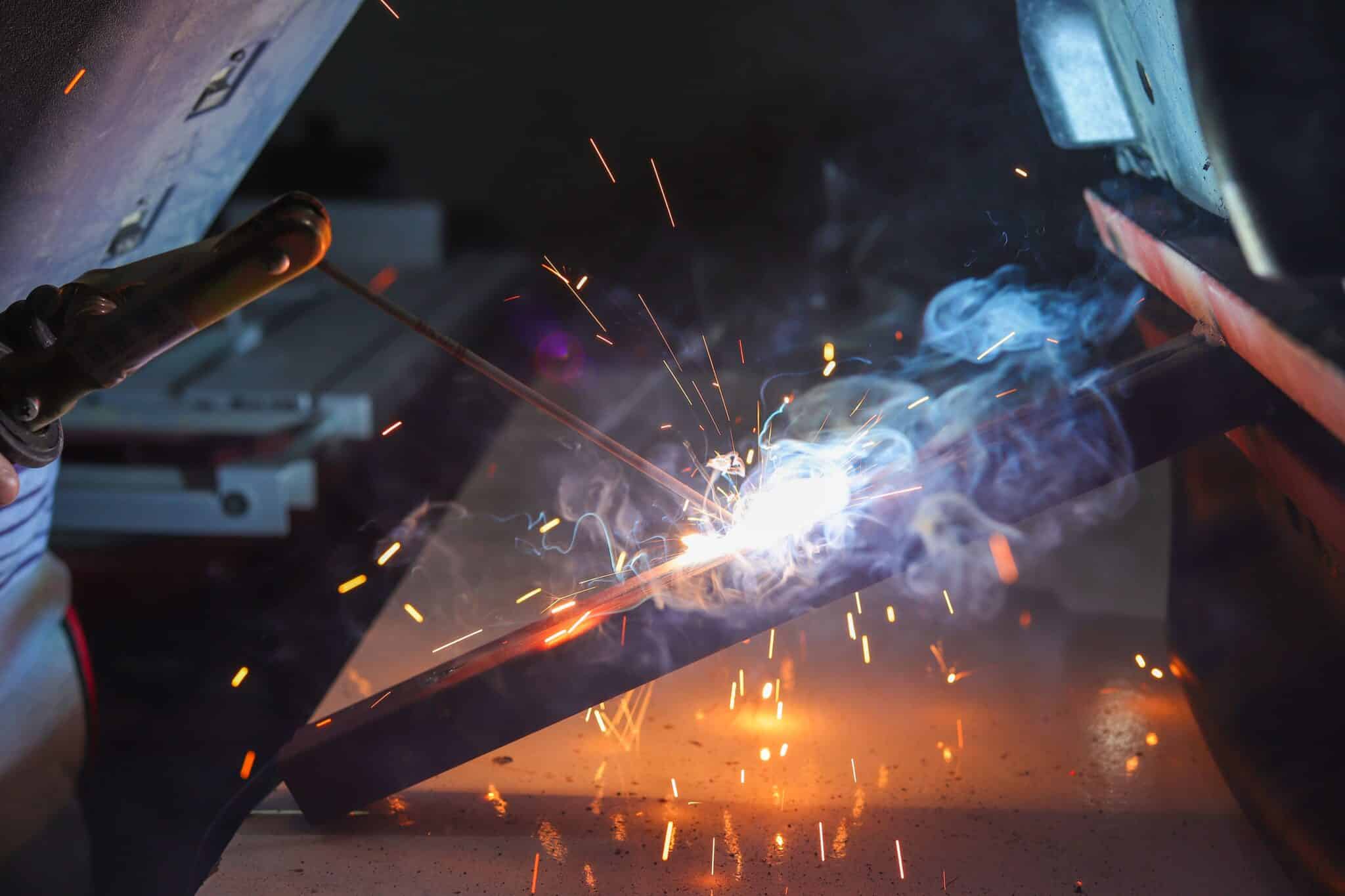
Welding is essential in manufacturing and construction. It joins materials to create strong products, from cars to skyscrapers. As demand grows for faster production and lower costs, improving welding efficiency is crucial.
Improving welding processes while maintaining quality and safety can greatly benefit businesses. This article looks at effective strategies to increase efficiency in the welding industry. Let’s explore how to improve operations for better results.
Join The European Business Briefing
New subscribers this quarter are entered into a draw to win a Rolex Submariner. Join 40,000+ founders, investors and executives who read EBM every day.
SubscribeWelding Equipment Choices
Choosing the right equipment is key to smooth welding operations. Modern welding machines have features that boost productivity. For example, automatic and semi-automatic machines save time by providing precision and consistency. These machines lower the chance of human error, leading to better welds and less rework.
Investing in new technologies, like multi-process welders, lets operators switch between different welding methods easily. This flexibility suits various projects without needing multiple machines. Ergonomic welding tools also improve comfort, reduce fatigue during long shifts, and boost focus and output.
Training and Skill Development
Skilled welders are vital for efficiency. Regular training helps workers learn the latest techniques and technologies. Skill development opportunities boost productivity and morale. Experienced welders work faster because they know the equipment and understand best practices for quality results.
Mentorship programs let experienced welders share knowledge with newer workers. This builds teamwork and creates a friendly work atmosphere. A skilled workforce leads to fewer mistakes, saving time and resources.
Workplace Organization
An organized workspace greatly improves efficiency. Keep tools and materials easy to access to reduce downtime. A systematic layout can help welders focus on their work without distractions. A 5S system can help maintain a clean, efficient workspace.
Proper storage for welding supplies improves productivity. Keeping tools and consumables in designated spots saves time spent looking for items and prevents interruptions. A tidy workspace also enhances safety, allowing everyone to work without worry.
Welding Supplies
Welding supplies are essential for keeping work efficient. Using good quality electrodes, filler materials, and shielding gases can greatly improve the welding process. Reliable supplies lead to smoother welds, less spatter, and less cleaning afterward. This saves materials and reduces the need for post-weld treatment.
Buying welding supplies in bulk can save money. Planning purchases based on project needs can help avoid last-minute trips to the store, which can disrupt work. Having the right supplies ready lets projects move forward smoothly and keeps operations running at their best.
Embracing Automation
Automation is changing the welding industry. More businesses are using robotic welding systems because they are fast and accurate. Robots can handle repetitive tasks well, allowing skilled welders to focus on more complex projects. This approach boosts output and can reduce labour costs, making it a smart choice for many companies.
In addition, software-based monitoring of welding processes offers valuable insights. Real-time data helps managers make better decisions about workflow and equipment performance. By analyzing this data, companies can identify areas for improvement and adjust operations accordingly.
Safety Protocols
Focusing on safety can also increase efficiency. Regular safety training and following protocols prevent accidents that disrupt work. Providing properly fitting, effective safety gear keeps workers safe and focused, reducing time lost to accidents.
Encouraging a safety culture helps workers report hazards or near misses quickly, allowing for timely action to protect everyone on site. A safe work environment builds employee confidence so they can focus on their tasks.
Continuous Improvement
To improve efficiency, businesses should adopt a mindset of continuous improvement. Regularly assessing processes and welding machines can reveal ways to optimize work. Holding meetings to discuss challenges and find solutions fosters teamwork and drives innovation.
Recognizing achievements, big or small, reinforces employees’ commitment to continuous improvement. Celebrating milestones motivates everyone to keep striving for efficiency as they see the positive results of their efforts.
For those in the welding industry, focusing on these areas can significantly improve efficiency. Staying proactive about training, investing in technology, keeping a well-organized workspace, and prioritizing safety creates a positive environment. Small changes can lead to big improvements and help create a smoother, more efficient welding operation.