































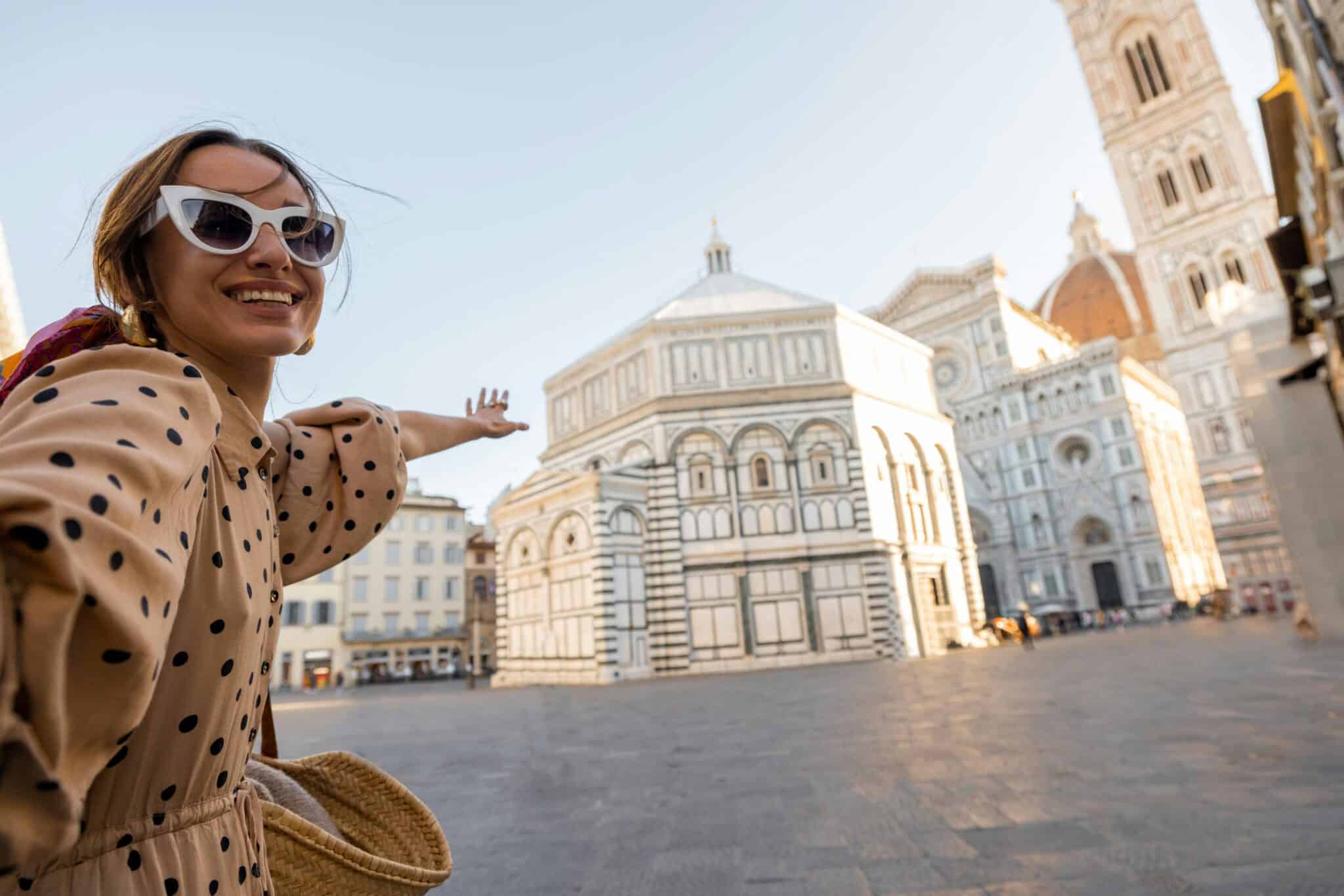
The spreadsheet was a thing of beauty. Four days in Rome, colour-coded by hour: 8:00 Colosseum, 10:30 Forum, 12:00 lunch in Monti, 2:00 Pantheon, 4:00 Trevi, and so on through to a reservation on the last night that took three weeks to secure. Then the flight landed two hours late, the first museum had a strike, it rained on the afternoon you’d planned for the gardens, and by day two the spreadsheet was a reproach rather than a plan. What you remember most fondly, in the end, is the hour you spent in a square you hadn’t heard of, because something else fell through.
That’s the paradox of the city break: the best moments are usually unplanned, but the big attractions can’t be left to chance. A flexible itinerary holds both. It locks in the handful of things that must be booked and leaves everything else loose enough to bend around weather, mood, and discovery. Here’s how to build one for any European city, with a focus on choosing attractions and guided tours wisely.
Europeans Are Taking Shorter, Multi-City Trips
The city break is the dominant shape of European travel right now. According to the European Travel Commission, 82 percent of Europeans planned to travel between April and September 2026, with 38 percent opting for trips of four to six nights and 42 percent planning to visit multiple cities within one destination, both figures up on the previous year.
Join The European Business Briefing
New subscribers this quarter are entered into a draw to win a Rolex Submariner. Join 40,000+ founders, investors and executives who read EBM every day.
SubscribeShorter stays and more cities mean less margin for wasted mornings, which is exactly why flexible planning matters.
Step 1: Sort Attractions Into Three Tiers
Before booking anything, list what you want to see and sort it:
- Tier 1: Must-book. The attractions that sell out, run on timed slots, or anchor the trip. In Rome that’s the Vatican Museums and the Colosseum; in Barcelona, the Sagrada Família; in Amsterdam, the Anne Frank House; in Paris, the Louvre on a weekend
- Tier 2: Want to see, no booking needed. Churches, squares, markets, viewpoints, and museums that rarely sell out
- Tier 3: If there’s time. Neighbourhoods to wander, a second museum, a day trip
Tier 1 gets fixed times. Tiers 2 and 3 float. That single distinction is the core of a flexible itinerary.
Step 2: Lock In the Anchors Early
For the must-book sites, book as soon as dates are firm, choose morning or late-afternoon slots, and spread them across the trip so no day has more than one fixed commitment. Keep the confirmations on your phone, and note cancellation terms so a change of plan doesn’t cost you the ticket. Treat each anchor as the one immovable point of its day, and build the rest around it.
Step 3: Use Skip-the-Line Tickets Where Queues Are the Enemy
In the busiest cities, the queue is often longer than the visit. For the sites where that’s true, a timed, skip-the-line ticket does two things: it guarantees entry and it returns hours to the day. In Rome, for example, booking Vatican tickets skip the line style, with a chosen time slot, means walking past a line that can stretch for hours in high season and starting the Museums at the hour you planned.
The options listed on Tickets&Tours illustrate how these products bundle: a Vatican Museums and Sistine Chapel ticket from €32 with an audio guide, a pass that adds St. Peter’s Basilica and a hop-on hop-off bus, and a three-day combo pairing the Vatican with the Colosseum, Forum, and Palatine Hill, all booked with a time slot and no charge until confirmed. Whichever city you’re in, apply the same test: if the site is famous for its queue, book a timed entry; if it isn’t, keep it flexible.
Step 4: Choose Guided Tours for Depth, Not Coverage
Guided tours are worth the money in specific situations and a waste in others:
Book a guide when:
- The site is dense with meaning that isn’t visible, such as the Vatican Museums, the Forum, the Alhambra, or a concentration camp memorial
- The tour grants access you can’t get alone, such as early entry, after-hours visits, or restricted areas
- You have limited time and want the essentials without wandering
Skip the guide when:
- The pleasure is in the wandering, such as old towns, markets, and parks
- A good audio guide or app covers the site well
- You’d rather move at your own pace
A flexible itinerary usually includes one or two guided experiences per city, placed at the anchor sites, with the rest self-guided.
Step 5: Build Days Around One Fixed Point
The daily template that works:
- Morning: the day’s anchor, booked for opening or shortly after, when crowds and heat are lowest
- Late morning: something nearby from Tier 2, chosen on the day
- Lunch: unbooked, in whatever neighbourhood you’ve ended up in
- Afternoon: a flexible block for wandering, a second site, or rest
- Evening: one reservation per trip is plenty; otherwise, follow the locals
A day with one fixed point and a direction, rather than a schedule, absorbs delays without falling apart.
Step 6: Cluster by Neighbourhood, Not by Theme
Crossing a city twice in a day burns time and energy. Group attractions by area:
- Rome: Vatican and Castel Sant’Angelo together; Colosseum, Forum, and Palatine together; Pantheon, Trevi, and Piazza Navona on foot
- Paris: Louvre and Tuileries; Marais and Île de la Cité; Montmartre on its own
- Barcelona: Sagrada Família and Gràcia; Gothic Quarter and the waterfront; Montjuïc
A map with your Tier 1 and Tier 2 sites pinned shows the clusters immediately.
Step 7: Leave One Block a Day Empty
The hardest discipline in planning is not filling every hour. Leave at least one two-hour block each day with nothing in it. That’s the space the unexpected square, the long lunch, the detour into a church with an open door, and the afternoon nap all fit into. It’s also the buffer that absorbs a late train or a sold-out museum without wrecking what comes next.
Step 8: Plan for Weather and Closures
Check opening days before you go; many European museums close on Mondays or Tuesdays, and churches close for services. Have a rainy-day option in each cluster, usually a museum or covered market, and a hot-day option, usually a garden or a riverside walk in the evening. Knowing the alternatives means a change in the sky changes the order, not the trip.
Step 9: Keep Tools Light
A flexible itinerary lives on a phone, not a spreadsheet:
- An offline map with sites pinned by tier
- A notes file with booking times and confirmation numbers
- A folder of tickets ready to show at the gate
- A short list of restaurants per neighbourhood, none reserved except the one that matters
The less you carry in planning, the more you notice on the street.
Conclusion
Building a flexible itinerary for a city break in Europe means sorting attractions into what must be booked and what can float, locking in the anchors with timed, skip-the-line tickets where queues would otherwise eat the day, choosing guided tours for the places where a guide adds depth or access and skipping them where wandering is the point, structuring each day around one fixed morning commitment, clustering by neighbourhood, and leaving real gaps for the moments that end up mattering most.
With most Europeans now taking shorter trips to more cities, the margin for wasted hours has never been thinner, and a plan that bends is worth far more than one that’s beautiful on a spreadsheet. Book the Vatican, lose the colour-coding, and keep the afternoon free for the square you haven’t heard of yet.






