
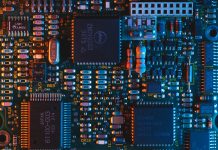






























Research shows that about 20% of Fortune 500 CEOs have an engineering degree, which does not come as a surprise. Engineers have a positive impact on businesses in various ways. Their analytical and technical skills can help keep critical initiatives on track, which allows them to remain competitive. As you pursue your engineering career, keep in mind that you can make a real difference for your company in various ways.
Here’s how engineering is changing businesses across Europe.
IoT Engineering
Join The European Business Briefing
New subscribers this quarter are entered into a draw to win a Rolex Submariner. Join 40,000+ founders, investors and executives who read EBM every day.
SubscribeNowadays, almost every gadget we use generates data, from smartphones knowing our location to smartwatches keeping track of every step we take. Ultimately, we are emerging into a world of IoT (Internet of Things) that can benefit everyone. IoT Engineering can help make our daily lives easier while keeping us connected to people and the most important things to use. These technologies can also do so many things in business, from recording and transferring data to monitoring critical processes, giving new insights, and boosting efficiency.
IoT Engineering also helps organisations know what is happening in the real world instead of merely making assumptions. The amount of data they gather is helpful for analytics and AI systems, which identifies patterns of use or behaviour hidden previously, making IoT engineer recruitment a top priority for a lot of companies that use tech in an integral way. IoT technology, which includes software, hardware, systems integration, and data and telecoms services, is expected to grow into a 500 billion industry by 2021.
Embedded Systems Engineering
An embedded system refers to a non-computer device integrated with software-based controllers and processors designed to control machines or devices typically not used on computers. It can perform a specific function or task as part of a more extensive system. Embedded systems can be found in almost all devices we use daily, from air conditioning to microwaves, fridges, and mobile phones.
Indeed, embedded systems engineering jobs play a vital role in almost every industry where ease of use, efficiency, affordability, durability, and consistency in production is of primary importance. But there are various long-term costs associated with using embedded systems. You must know about them all if you plan on integrating embedded systems engineering into your business.
Robotics Engineering
Over the past decade, various industries have already been using robots. But they are only confined within the safety cages of manufacturing facilities and are programmed to perform tasks repeatedly, usually to produce high volumes of goods faster and cheaper. Thanks to the advances in robotics engineering, robots are now springing out of their cages and being tasked to carry out new roles in various industries.
It’s not only the manufacturing sector that is relying heavily on robots. Nowadays, robots are being used in various industries, from financial sectors to marketing, sales, and customer experience. In fact, some companies are already using robots in assisting retail shoppers, providing room service, delivering products, and more. It has also become much easier to configure and train robots nowadays than in previous years, thanks to embedded vision systems and sophisticated behaviour software used in robotics engineering.






