






























 In the high-stakes world of global business, top-tier executives are in perpetual motion, constantly jetting across time zones to broker deals and lead multinational teams. The rise of GLP-1 (glucagon-like peptide-1) receptor agonists like Ozempic, originally for type 2 diabetes but now a staple in weight management, has added a fresh layer of complexity to their demanding travel schedules. These revolutionary medications, while effective for improving metabolic health and aiding weight loss, come with a distinct set of challenges that are magnified during long-haul flights. Examining how these corporate leaders manage GLP-1 treatments while airborne offers a window into sophisticated health management strategies and signals a broader shift towards prioritising wellness and peak performance in the corner office.
The Executive Embrace of GLP-1 Medications
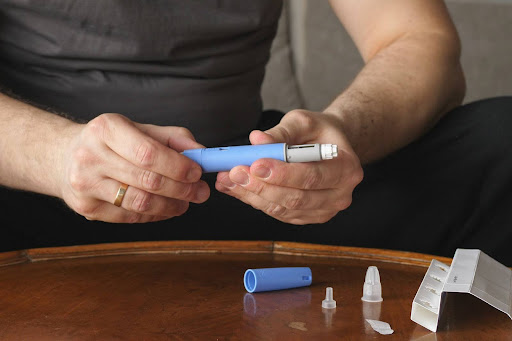
GLP-1 drugs, a category that includes Ozempic (semaglutide), Wegovy (semaglutide), and Mounjaro (tirzepatide), operate by emulating the natural GLP-1 hormone. This process enhances insulin release in response to high blood sugar, suppresses hunger cues sent to the brain, and slows down digestion. This trifecta of effects, as detailed by the NHS, has made them highly sought after for weight control and managing type 2 diabetes.
For executives, whose performance hinges on unwavering mental acuity and physical stamina, these medications are more than just a weight loss tool; they are a component of a comprehensive lifestyle strategy. The ability to manage weight effectively translates into better energy, increased confidence, and alignment with a corporate culture that increasingly values health as a key leadership attribute. The growing acceptance of these treatments in high-pressure professional circles helps to reduce stigma, encouraging a more open and proactive approach to health management among leaders.
Join The European Business Briefing
New subscribers this quarter are entered into a draw to win a Rolex Submariner. Join 40,000+ founders, investors and executives who read EBM every day.
SubscribeConfronting the Challenges of GLP-1 Use During Air Travel
While beneficial, the use of GLP-1 medications introduces specific logistical and physiological challenges, particularly in the unique environment of a long-haul flight. Successfully navigating these requires foresight and meticulous planning.
Synchronising Medication with Shifting Time Zones
A primary hurdle is the disruption of established routines, particularly for weekly injectables like Ozempic or Wegovy. Crossing multiple time zones can make it difficult to maintain a consistent administration day and time, which is crucial for the medication’s efficacy and for minimising side effects. Proactive executives address this by consulting with their physicians or specialist nurses well before their trip to create a flexible dosing schedule adapted to their itinerary. They often leverage technology, using digital calendars and alarms set to their home time zone or a pre-agreed schedule, thereby avoiding the risks of missed doses or adverse reactions from an inconsistent regimen. The key is to maintain the interval between doses as close to seven days as possible, a strategy often recommended for managing insulin on flights that can be adapted for GLP-1s.
Managing Appetite and Nutrition in the Air
GLP-1 medications fundamentally change one’s relationship with food by significantly reducing appetite and slowing gastric emptying. While this effect helps in resisting high-calorie, low-nutrient airline food, it also introduces risks. The pressurised and dehydrating cabin environment can exacerbate potential side effects like nausea, dizziness, or even low blood sugar (hypoglycaemia), especially if a meal is skipped.
Shrewd executives navigate this by forgoing heavy in-flight meals in favour of their own light, nutrient-rich snacks. This ensures they maintain stable energy levels and proper hydration without overwhelming their sensitive digestive systems. Packing items like unsalted nuts, seeds, a piece of fruit, or a small protein bar can provide sustained energy without causing digestive distress.
The Logistics of Transporting Medication
A significant practical concern is the proper storage and transport of GLP-1 medications. These are typically injectable pens that must be refrigerated before their first use and kept at a controlled room temperature afterwards. According to GOV.UK guidelines on travelling with medicines, it is essential to have the right documentation.
Executives must transport their medication in their hand luggage, never in the hold where temperatures can fluctuate dramatically. They use insulated, travel-safe carriers or compact, battery-operated coolers to maintain the correct temperature. To prevent issues at security checkpoints, carrying a letter from a GP or specialist is a standard and highly recommended precaution. This letter should confirm the need for the medication, the supplies (including needles), and that it is for personal use. This ensures a smooth journey without the risk of having essential medication confiscated.
Effective Strategies for In-Flight GLP-1 Management
Success lies in a proactive and strategic approach that begins long before boarding the aircraft.
The Power of Pre-Flight Planning
Thorough preparation is the hallmark of the experienced executive traveller. This involves creating a detailed checklist of all necessary supplies:
- The medication pen itself, with enough doses for the trip plus extra.
- New, sealed needles for each injection.
- Alcohol swabs for sterilising the injection site.
- A travel-sized, puncture-proof sharps container for safe disposal of used needles.
- A copy of the prescription and a doctor’s letter.
- Appropriate snacks and a reusable water bottle.
A pre-trip consultation with a healthcare provider to map out medication timing across different time zones is a critical step. Packing extra supplies provides a crucial buffer against unforeseen travel delays or disruptions.
A Curated Approach to In-Flight Nutrition
Instead of gambling on airline food, which is often high in salt, sugar, and processed carbohydrates, executives on GLP-1 diets typically bring their own provisions. These snacks are carefully chosen high in fibre, and gentle on the stomach. Prioritising hydration with water and herbal teas, while strictly avoiding dehydrating agents like alcohol and caffeine, is a key part of their in-flight wellness ritual. A light, balanced meal before boarding—such as a small portion of grilled chicken with vegetables or a bowl of porridge—can also help prevent nausea and sustain energy levels throughout the flight.
The Importance of Movement and Mindfulness
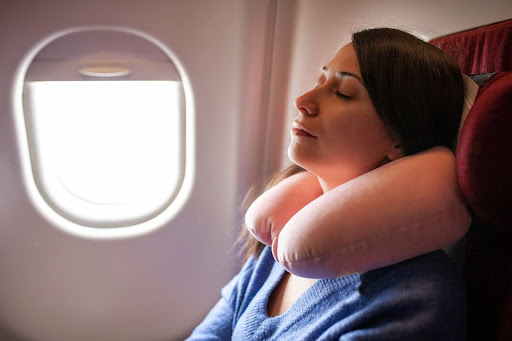
Because GLP-1 drugs slow digestion, long periods of inactivity can lead to significant discomfort, such as bloating and gas. To counter this, smart travellers often select aisle seats to facilitate easy movement. They make it a point to stand, walk down the aisle, and perform simple stretches every hour or two. This not only aids digestion but also reduces the risk of deep vein thrombosis (DVT). Incorporating mindfulness practices or simple breathing exercises can also help mitigate the physiological stress that accompanies long-haul travel, promoting a sense of calm and well-being.
Handling Social and Professional Dynamics
The executive world is built on relationships, which are often fostered over meals and at networking events. For those on GLP-1 medications, navigating these food-centric situations with a reduced appetite requires tact and confidence. A common strategy is to frame their dietary choices within the context of a commitment to health and wellness—a narrative that resonates strongly in today’s performance-oriented professional culture.
Politely declining certain foods or large portions can be done gracefully with phrases like, “Thank you, it looks delicious, but I’ll just have a small amount,” or by focusing on conversation rather than the plate. This allows them to participate fully in the social aspects of business without compromising their health regimen or drawing unwanted attention.
Managing Jet Lag and Post-Flight Recovery
The disruptive effects of long-haul travel on the body’s internal clock, or circadian rhythm, are well-known. When combined with the metabolic changes from GLP-1 medications, the challenge of adapting to a new time zone is amplified. Upon arrival, seasoned executives focus on a clear recovery protocol. This includes immediate rehydration, engaging in light physical activity like a brisk walk in natural daylight, and consuming simple, nourishing meals to aid their recovery.
Some may also use tools like melatonin supplements to help reset their sleep-wake cycle, a practice supported by research from institutions like the University of Oxford. Light therapy boxes can also be effective. The goal is to synchronise the body clock to the new destination as quickly as possible to maintain peak cognitive function for important meetings.
Adherence to Regulations and Maintaining Privacy
Travelling internationally with injectable medications necessitates a keen awareness of varying global regulations. Executives often lean on their company’s medical support teams or specialised concierge health services to ensure full compliance and avoid any legal entanglements. It is crucial to research the specific rules of the destination country, as some nations have strict controls on the importation of medicines.
At the same time, maintaining discretion is often preferred. Conversations around weight management and medication can still be sensitive in certain professional settings. By handling their medical needs privately and efficiently, executives can manage their health without making it a topic of discussion, ensuring their privacy is respected.
The Influence on Corporate Health and Wellness Culture
The meticulous way in which executives manage GLP-1 treatments while travelling reflects a significant evolution in corporate attitudes toward health. There is a growing acknowledgment that leveraging medical science to enhance wellness and performance is a legitimate and intelligent strategy. This increasing openness helps to destigmatise such health choices and empowers more leaders to proactively manage their well-being, regardless of their demanding schedules. When leaders prioritise their health, it sets a powerful example, fostering a corporate culture where employee wellness is valued as a cornerstone of productivity and success.
Conclusion
Successfully managing a GLP-1 diet during long-haul travel is a masterclass in strategic self-care for today’s top executives. It requires a sophisticated blend of careful planning, nutritional wisdom, and logistical precision. This diligent approach is not merely about managing a medication; it is about a fundamental commitment to maintaining peak performance and robust health in a relentlessly demanding global landscape. By seamlessly weaving their health protocols into their travel routines, these leaders are setting a new standard for executive wellness, proving that success and well-being are not mutually exclusive—even at 35,000 feet.