































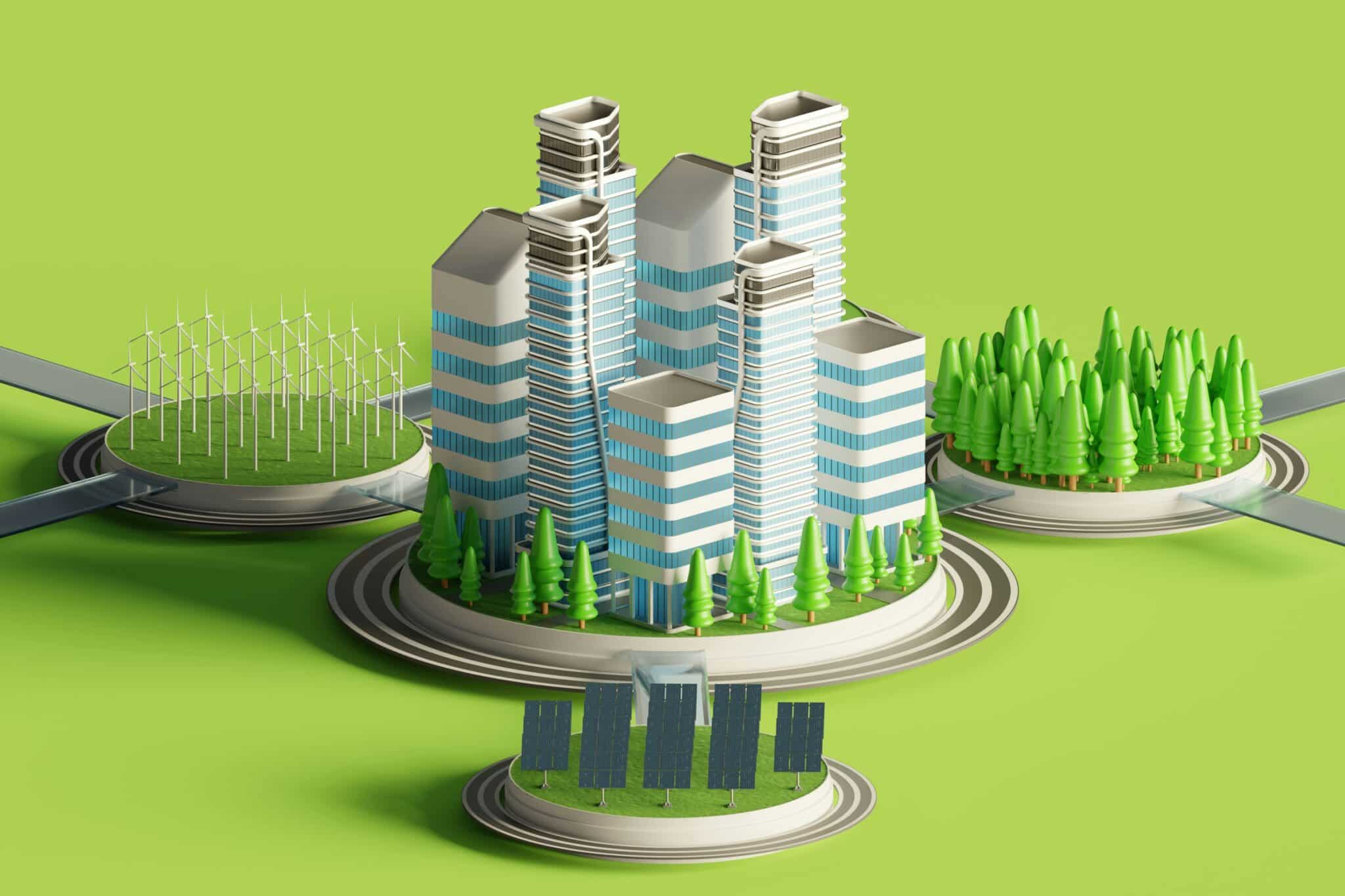
Sustainable construction is becoming an important consideration for property developers, but meeting environmental standards brings financial challenges. Better insulation, energy-efficient systems, responsible material sourcing, and certification requirements often affect project budgets before construction even begins.
For developers working with tight margins, these decisions require careful planning. Spending more on sustainable features doesn’t always guarantee better building performance, and choosing cheaper materials could lead to higher operating and maintenance costs later.
The challenge is finding improvements that meet environmental requirements while keeping projects financially practical. Here are five ways you can manage construction expenses, meet sustainability goals, and protect the long-term performance of your properties.
Join The European Business Briefing
New subscribers this quarter are entered into a draw to win a Rolex Submariner. Join 40,000+ founders, investors and executives who read EBM every day.
Subscribe
Set Clear Sustainability Goals Before Finalizing the Design
Sustainable building requirements affect decisions throughout a construction project, including material selection, energy systems, water use, and building design. When developers begin planning without understanding these requirements, they sometimes discover important changes are needed after drawings have been completed. Revising designs, replacing specified products, and arranging additional assessments increase costs and delay approvals.
Start by identifying the building standards that apply to your development. Local building codes establish mandatory requirements, while voluntary certification programs such as LEED and BREEAM have their own criteria and documentation processes.
You should understand which requirements your project must meet and whether pursuing additional certification makes financial sense. Consider how the building will be used, the expectations of future occupants, and the standards commonly required by investors or buyers in your market.
It helps to check whether your team has done this kind of work before. Certification paperwork, energy testing, and product documentation take time, and a site supervisor or project manager with green building experience can prevent costly mistakes. If you need to add that experience, posting the role early on a construction job board gives you a better chance of finding the right person before design decisions are locked in.
If you’re pursuing certification, account for assessment fees, documentation, testing, and other related expenses. Clear targets help your team select suitable materials and systems without repeatedly changing the project as construction progresses.
“Developers sometimes promote a certification or an energy rating before the project has actually earned it. If the building later falls short, buyers, tenants, or investors may argue they were misled. Keeping clear records of every assessment, test result, and approved change is the simplest way to show that your claims were made in good faith,” notes Timothy Allen, Sr. Corporate Investigator at Oberheiden P.C.
Evaluate Building Costs Over the Entire Property Lifecycle
The amount you spend constructing a building represents only part of its financial cost. Once the property is occupied, electricity, water, maintenance, repairs, and equipment replacements continue affecting its performance. A decision that reduces initial construction expenses could result in higher operating costs for years.
Developers should compare materials and building systems based on their expected service life and maintenance requirements. Better insulation or efficient heating and cooling equipment might require a larger initial investment, but lower energy consumption could help recover some of that expense over time.
However, the actual savings depend on local energy prices, equipment performance, occupancy, and how the building is operated. You need realistic estimates before deciding whether an upgrade provides sufficient value.
Desmond Dorsey, Chief Marketing Officer at Bayside Home Builder, puts, “Many of the remodeling projects homeowners take on in the first ten years come from decisions made to save money during the original build. Cheap windows, builder-grade fixtures, and undersized systems tend to be replaced early, and the owner ends up paying twice. Spending a little more on the parts of a house that are expensive to reach later, like insulation and plumbing, usually pays off far more than upgrading finishes that are easy to change.”
A lifecycle cost assessment helps organize these decisions. Review installation expenses, expected operating costs, maintenance needs, replacement schedules, and the period you expect to own the property. If you’re developing homes for sale, consider which benefits buyers will recognize and whether your market supports the additional purchase price.
Improve Energy Performance Through Smarter Building Design
Heating and cooling systems have a major influence on a building’s energy use, but the building’s design determines how much work those systems need to perform. Poor window placement, inadequate insulation, and unwanted heat entering through the roof create problems that expensive equipment alone won’t fully resolve.
Pay attention to how the building responds to its local climate. Window size and orientation affect sunlight and indoor temperatures, while appropriate shading helps manage unwanted heat. Insulation and air sealing reduce unnecessary heat transfer, making it easier to maintain comfortable indoor conditions. Ventilation needs careful planning as well, since reducing air leakage should never compromise indoor air quality or moisture control. These details are easier to address during design than after construction.
The foundation is part of this picture too. Concrete slabs can lose heat into the ground and pull moisture into the building when they aren’t protected properly.
According to Tom Rockwell, CEO of Concrete Tools Direct, “Slab details are some of the cheapest energy decisions on a project and some of the hardest to fix later. A proper vapor barrier and insulation below the slab keep moisture out of floors and walls and reduce the heating load for the life of the building. Once the concrete is poured, there’s no practical way to go back and add them.”
Ask your design team to review the building’s expected energy performance before finalizing major specifications. Appropriate energy modeling helps identify which improvements are likely to deliver useful results. You might discover that better insulation or window design reduces the heating and cooling capacity the building requires. This could offset part of the additional construction expense.
Choose Sustainable Materials That Offer Reliable Long-Term Performance
Building materials influence construction costs, environmental impact, and the amount of maintenance a property requires. Developers increasingly have access to products with recycled content, lower-carbon manufacturing processes, and improved thermal performance. However, sustainability claims deserve careful evaluation before materials are approved for construction.
Alfred Christ, Digital Marketing Manager at ROKR, shares, “Words like eco-friendly and sustainable have been used so loosely that people now look past them. What earns trust is specific information, such as where the wood came from, what certification it carries, and how much of it ends up as waste. Developers and buyers are no different. A supplier that can back up its claims with real data is worth far more than one with the most appealing label.”
Begin by checking whether products meet structural, safety, and performance requirements. Environmental product declarations provide information about the measured environmental impacts of certain construction materials, including greenhouse gas emissions associated with production. These documents help compare suitable products when their data, scope, and methods are comparable.
You should also review durability, installation requirements, local availability, and replacement costs. A material with a lower manufacturing footprint could still be a poor choice if it performs badly under local conditions or requires frequent replacement.
Reduce Construction Waste Through Better Planning and Purchasing
Construction waste affects both environmental performance and project spending. Materials that arrive damaged, remain unused, or need replacing because of installation mistakes increase the amount developers spend without adding value to the finished property.
Review how your project team estimates and orders materials. Accurate measurements and approved drawings help purchasing teams understand the quantities required for each stage of construction. Ordering too much creates storage problems, while repeated small orders increase transportation expenses and interrupt work.
Site managers should coordinate deliveries with the construction schedule so materials don’t remain exposed to weather or unnecessary handling for long periods. Proper storage is particularly important for products that become damaged by moisture or poor site conditions.
You should also review the construction activities responsible for the greatest amounts of waste. Repeated cutting mistakes, damaged deliveries, and changes to completed work deserve attention because they increase material and labor expenses together. Where practical, use standardized dimensions, reusable packaging, and suitable material recovery arrangements.
“Packaging is one of the easiest waste streams to overlook on a construction site. Single-use pallets, shrink wrap, and cardboard pile up quickly, and much of it goes into a dumpster after one trip. Asking suppliers to deliver on returnable pallets and to take their packaging back can cut a noticeable share of site waste without changing anything about the building itself,” notes Daniel C, CMO of Preface Pallets.
Make sure workers understand how different waste materials should be separated when recycling services are available. Track the quantities purchased, installed, and discarded to identify where improvements are needed. Reducing preventable waste helps control construction spending while supporting your project’s environmental goals.
Wrap Up
Balancing sustainability and construction costs requires careful decisions from the earliest planning stages. Environmental standards influence materials, design, equipment, and building maintenance, but each investment should have a clear purpose.
If you’re planning a development, review which sustainability requirements apply and where improvements offer meaningful long-term benefits. Compare upfront expenses with expected operating costs, and involve your construction team before important design decisions are finalized.
Pay attention to durability, maintenance access, and actual building performance after completion. These considerations help you manage financial risks while delivering properties that remain efficient, comfortable, and practical to maintain over time.