






























Small businesses face a unique challenge. They must compete with established brands, attract new customers, and build trust without spending beyond their budgets. While product quality and customer service remain important, packaging also plays a major role in business growth.
It creates the first physical connection between a brand and its customers. A well-designed box can make an ordinary product feel special, communicate brand values, and encourage repeat purchases.
Custom packaging gives small businesses an opportunity to present their products professionally. Instead of using plain, generic containers, they can choose packaging that reflects their identity and speaks directly to their target audience. Let’s explore how packaging plays an important role in boosting your small business. Read on.
Join The European Business Briefing
New subscribers this quarter are entered into a draw to win a Rolex Submariner. Join 40,000+ founders, investors and executives who read EBM every day.
Subscribe
Support Affordable Marketing and Brand Awareness
Marketing can become expensive for small businesses, particularly when they need to reach new audiences. Custom packaging offers a practical way to increase brand visibility through everyday customer interactions.
Every package that leaves a business carries its brand identity. When customers take branded boxes home, share them with friends or post pictures online, the packaging can introduce the company to a wider audience.
For growing brands, custom boxes wholesale can also provide a practical purchasing option when they need larger quantities of consistent packaging. Buying according to expected demand can help businesses plan their packaging costs and maintain a steady supply.
Build a Strong Brand Identity
A recognizable brand needs more than an attractive logo. Customers should be able to identify a business through its colors, visual style, messaging, and overall presentation. Custom packaging brings these elements together in one place.
Small businesses can print their logos, brand colors, slogans, and other design elements on their boxes. This creates a consistent appearance across different products and helps customers remember the brand. For example, a small skincare company can use soft colors, clean typography, and elegant packaging to communicate quality and care.
Consistent packaging also makes a business look more established. When customers receive a professionally designed box, they may develop greater confidence in the product inside. This is especially valuable for new businesses that are still building their reputation.
Make a Lasting First Impression
First impressions matter in retail and e-commerce. Before customers use a product, they often judge its presentation. Packaging is one of the first things they notice, whether they find a product on a retail shelf or receive it at their doorstep.
A plain box may protect the product, but it rarely communicates much about the business behind it. Custom-designed packaging, on the other hand, can create an immediate connection with buyers.
A thoughtful design, suitable color combination, and quality finish can make even a simple product look more appealing. For small businesses, this creates an opportunity to compete with larger companies. They do not always need expensive advertising campaigns to make their products stand out.
Improve Product Protection During Storage and Shipping
Attractive packaging is important, but its practical purpose should never be overlooked. Products must reach customers in good condition. Damaged goods can lead to complaints, returns, replacement costs, and negative reviews.
Custom packaging allows small businesses to select materials, shapes, and structures according to their products. For example, a bakery may need food-grade boxes that protect delicate cakes, while an electronics seller may require sturdy cardboard packaging with protective inserts.
The right box dimensions also matter. Oversized packaging can allow products to move during transit, while poorly fitted boxes may put pressure on fragile items. Businesses can reduce these risks by choosing packaging that fits their products properly.
Create Memorable Unboxing Experiences
Online shopping has changed how customers interact with brands. Buyers cannot touch or inspect products before placing an order, so the delivery experience becomes an important part of their overall impression.
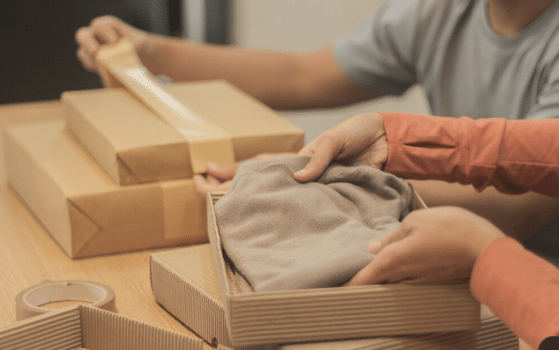
Custom packaging can turn an ordinary delivery into a memorable experience. A neatly printed box, attractive interior design, personalized message, or branded tissue paper can make customers feel valued.
This experience can also encourage customers to share their purchases on social media. Many buyers enjoy photographing attractive packages and posting unboxing videos. When they mention a brand or share its packaging online, they introduce it to potential customers without the business paying for another advertisement.
Help Small Businesses Stand Out in Competitive Markets
Small businesses often compete with companies that have larger marketing budgets, established customer bases, and greater retail visibility. Custom packaging provides another way to create a distinct market position.
A unique packaging design can communicate what makes a product different. For instance, a handmade candle brand may use minimalist boxes with natural textures to highlight its craft-based identity. A premium chocolate business may choose rigid boxes with elegant finishes to create a sense of luxury.
Packaging should reflect the product category and the expectations of its target audience. Bright colors may suit children’s products, while simple and refined designs may work better for high-end cosmetics.
Conclusion
Custom packaging can do much more than protect products. It helps small businesses build a recognizable identity, create positive first impressions, improve customer experiences, and communicate their values. It can also support marketing efforts, strengthen trust and encourage repeat purchases.
The best packaging strategy combines appearance, functionality and cost control. Small businesses should choose designs that reflect their products, suit their customers and meet their operational needs. They should also review material choices, order quantities and packaging performance as their businesses grow.






