































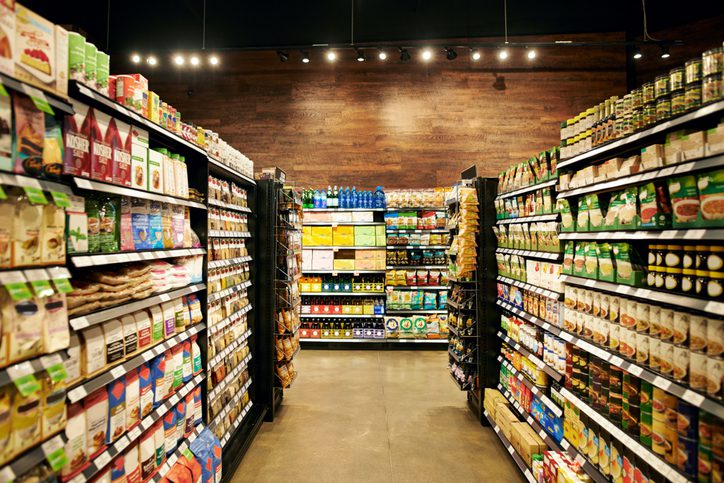
The remarkable impact of a well-curated retail display is often underestimated. It’s not just about filling shelves with merchandise; it’s about crafting a visual narrative that both entices and guides the customer, thereby steering your business towards higher sales and greater success. This discussion seeks to delve deeper into the significance of retail displays, the range of display styles available, and the crafting of a visually compelling merchandising plan.
The Integral Role of Retail Display
A customer’s in-store journey is constrained by both time and focus. Navigating through a multitude of products can be overwhelming, making the role of a thoughtfully orchestrated retail display pivotal. Not only does a well-conceived display simplify the shopping experience by guiding customers towards desired items, but it also prompts spontaneous purchases by spotlighting products that might otherwise go unnoticed.
The Spectrum of Retail Display Options
When plotting your visual merchandising map, consider the following array of retail display styles:
Join The European Business Briefing
New subscribers this quarter are entered into a draw to win a Rolex Submariner. Join 40,000+ founders, investors and executives who read EBM every day.
SubscribeTerminal Displays: Positioned at the aisle’s end, these displays command high visibility. Capitalize on them to highlight special offers or spotlight merchandise.
Showcase Windows: The first interaction a prospective customer has with your store is your window display. Make this ‘preview’ as captivating as possible to encourage passersby to venture inside.
Stand-alone Displays: Offering versatility in placement, these standalone units can delineate particular sections or host a diverse selection of items.
Integrated Shelf Displays: Leverage your store’s existing shelving infrastructure to display products efficiently. Amplify their appeal with dynamic signage, strategic lighting, and bespoke fixtures to command attention.
Designing a Captivating Visual Merchandising Plan
Maximize the power of your retail displays by incorporating these strategies into your visual merchandising blueprint:
Highlight Key Products: Identify the merchandise you want to be prominently displayed. These could be your top performers, recent additions, or discounted items.
Cluster Relevant Items: Group similar items to weave a cohesive narrative and make the discovery of complementary items effortless for customers.
Rotate Display Styles: Keep the in-store experience engaging by interspersing different display types throughout your store.
Employ Bold Signage and Lighting: Illuminated signs and strategically placed lights can draw customer focus towards your displays and highlighted products.
Refresh Displays Often: Regularly updating your displays keeps the shopping experience fresh. Align your visual merchandising with changing seasons, holidays, or promotional periods to maintain customer interest.
In summary, well-designed retail displays are a strategic investment that can substantially elevate your store’s allure, boosting sales in the process. By carefully curating your visual merchandising plan and judiciously employing a mix of display types, you can offer an immersive shopping experience that resonates long after the customer has left your store.