





























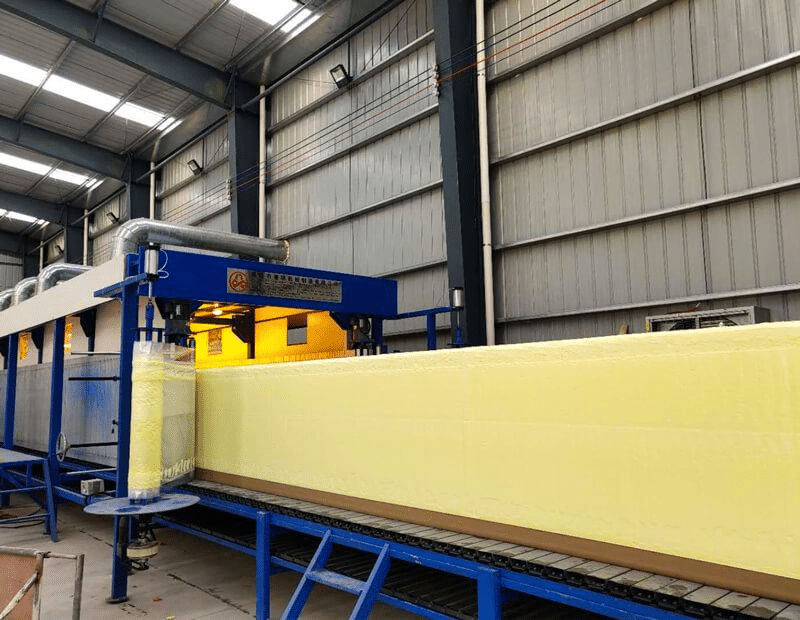
Polyurethane foam and padding products depend on more than the material formula alone. The way individual components are measured, mixed, conditioned, and dispensed can directly affect how consistently the finished part performs in cushioning, protection, comfort, and support applications.
That matters in products ranging from protective sports gear and seating to automotive interiors and specialized industrial padding. Flexible and semi-rigid polyurethane systems can be designed for different levels of softness, resilience, and impact management, but reliable processing equipment is needed to reproduce those properties from one production cycle to the next.
Precision Starts With Metering
Polyurethane processing commonly involves combining reactive liquid components, including polyols and isocyanates, in controlled proportions. A polyurethane mix metering machine measures and delivers those materials at defined ratios before they are mixed and dispensed.
Join The European Business Briefing
New subscribers this quarter are entered into a draw to win a Rolex Submariner. Join 40,000+ founders, investors and executives who read EBM every day.
SubscribeAccurate metering helps manufacturers maintain more stable material properties throughout production. Even relatively small changes in component ratios can affect how the polyurethane reacts and how the finished foam behaves.
For manufacturers producing protective padding at scale, that consistency becomes especially important. Hundreds or thousands of parts may need to provide a similar level of cushioning, flexibility, and physical performance.
Mixing Has To Be Consistent Too
Accurate measurement is only one stage of the process. Once the components are metered, they still need to be thoroughly mixed and delivered under controlled conditions.
Modern polyurethane processing equipment may bring several functions together, including:
- Precision material metering
- Specialized mixing systems
- Temperature control
- Material conditioning
- Automated dispensing
- Programmable process settings
- Production monitoring
Keeping these steps within one controlled process can help reduce variations that might otherwise occur through manual handling or frequent operator adjustment.
Foam Serves Many Protective Roles
Polyurethane foam appears in products where manufacturers need a combination of cushioning, resilience, support, or impact management.
Flexible polyurethane foams are commonly found in furniture, transportation, sporting goods, medical equipment, and many other padded products. Semi-rigid systems can also be used in protective automotive components such as instrument panels, armrests, and interior padding.
Protective sports products present another good example. Padding needs to remain comfortable enough for regular use while also providing the physical properties required for the intended application.
Although these products may look completely different, they have one thing in common: manufacturers need the production process to deliver predictable material characteristics repeatedly.
PU Casting Supports Complex Shapes
The PU casting stage allows properly mixed polyurethane material to be dispensed into molds or other forming systems. This makes it possible to create components with specific dimensions, contours, thicknesses, and functional features.
For padding manufacturers, mold-based production can support anything from relatively simple cushioning pieces to components shaped around a particular piece of equipment.
Processing systems can also be configured around factors such as material viscosity, mold design, required output, production speed, and automation level.
Instead of adapting every product to a standard machine configuration, manufacturers can use equipment designed around the specific characteristics of the part and polyurethane system being processed.
Temperature And Material Conditioning Matter
Polyurethane components do not simply need to arrive at the mixing head in the correct amount. Their processing conditions also need to remain stable.
Temperature control and material conditioning can help maintain predictable viscosity and processing behavior before mixing takes place. This becomes particularly useful when materials are being processed continuously across longer production runs.
Stable conditions make it easier for operators to reproduce the same process rather than continually compensating for changing material behavior.
Automation Helps Reduce Process Variation
Higher production volumes make consistent manual control more difficult, increasing the risk of variation between manufacturing cycles.
Automated controls can repeat metering, mixing, dispensing, and temperature settings with less dependence on operator intervention. More advanced setups can also connect with conveyors, robotic systems, curing units, molds, and other production-line equipment.
For manufacturers of foam and protective padding, better process control can support steadier throughput while reducing avoidable scrap and rejected parts.
The equipment ultimately does more than move polyurethane from storage tanks into a mold. It creates a controlled production environment where material ratios, mixing conditions, and dispensing can be repeated reliably, helping manufacturers produce protective components with more consistent quality from one batch to the next.