































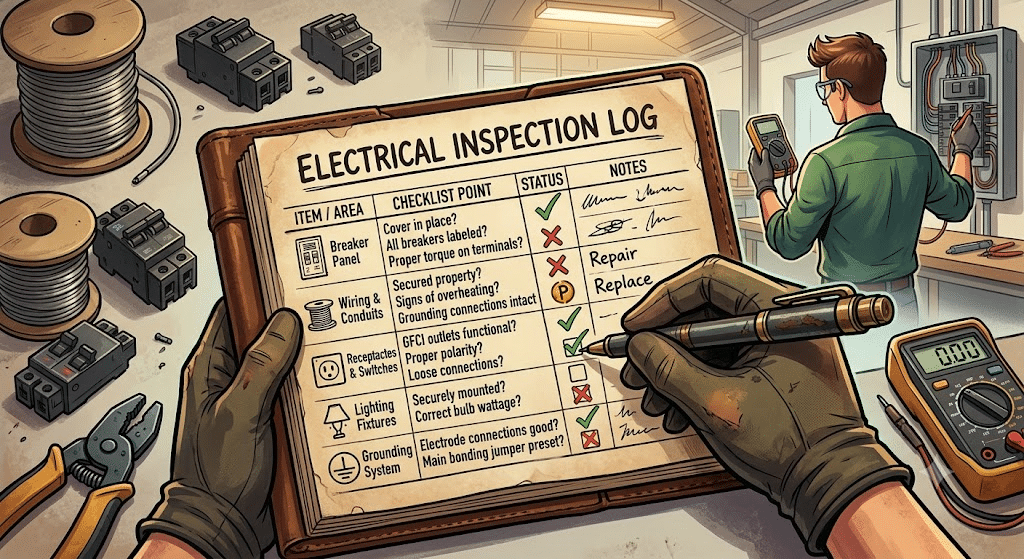
An electrical inspection reviews the visible components that carry and control power throughout your home. It helps identify damaged wiring, unsafe equipment, installation errors, and conditions that may lead to shocks, fires, or power failures.
A complete inspection covers more than the main panel. It also reviews outlets, switches, lighting, protective devices, visible wiring, service equipment, and grounding. The goal is to document current conditions and determine which problems need repair.
What Should an Electrical Inspection Include?
A residential electrical inspection checklist should follow the electrical path from the service entrance through the panel and into each room. This sequence helps the inspector avoid missing components or reviewing systems out of order.
Join The European Business Briefing
New subscribers this quarter are entered into a draw to win a Rolex Submariner. Join 40,000+ founders, investors and executives who read EBM every day.
SubscribeThe inspection normally includes:
- Service entrance cables, meter equipment, and exterior connections
- Main panel, subpanels, breakers, labels, and unused openings
- Visible wiring, junction boxes, outlets, switches, and fixtures
- GFCI and AFCI protection in required areas
- Grounding, bonding, surge protection, and installed equipment
- Signs of heat, corrosion, moisture, damage, or improper alterations
The inspector should also record the property address, inspection date, reason for the visit, system condition, recommended repairs, and follow-up requirements.
Electrical Panel Inspection Points
The main panel distributes power across the property, making it one of the most important inspection areas. A checklist for electrical panel inspection should begin with access, enclosure condition, labeling, and visible damage.
The inspector checks whether the panel has enough working clearance and whether stored items block access. The door should close correctly, the enclosure should remain firmly mounted, and unused openings should have approved covers.
Inside the panel, the inspection looks for corrosion, overheating, damaged insulation, loose connections, improper wire sizes, and overloaded circuits. Each circuit should have a clear directory that accurately identifies the area or equipment it serves.
A panel inspection checklist also reviews whether circuit breakers match conductor sizes and equipment loads. The inspector checks for conductors placed under terminals that are not designed to hold more than one wire.
An electrical inspection form documents electrical panel inspections, observed defects, test results, and repair priorities. Clear records help property owners understand which issues require immediate action and which can be planned.
Protective Devices and Grounding
Protective devices reduce the risk of shock, fire, and equipment damage. The inspection should verify that the correct devices exist, respond properly, and serve the intended circuits.
Ground-fault circuit interrupters protect locations where electricity and moisture may come into contact. Bathrooms, kitchens, garages, unfinished basements, outdoor areas, and laundry spaces commonly require this protection. A ground fault device should respond when tested and reset without difficulty.
Arc-fault protection helps detect dangerous electrical arcing within branch circuits. The inspector confirms whether the property has this protection where required and whether the devices operate correctly.
The inspection also reviews the grounding conductor, bonding connections, grounding electrodes, and connections between service equipment and metal components. Improper grounding may prevent fault current from following a safe path.
When breakers trip repeatedly, the inspector should identify the cause instead of treating the breaker as the problem. Grounded Electric can determine whether the issue comes from damaged wiring, excessive demand, a failing appliance, or a defective protective device.
Outlets, Wiring, and Fixtures
Outlets and switches should remain secure, undamaged, and properly covered. Faceplates should not have cracks or missing screws, and devices should not move when a plug or switch is used.
The inspector may test receptacles for polarity, grounding, and power. Outlets with discoloration, heat damage, buzzing sounds, or weak plug retention require closer review.
Visible wiring should remain protected from impact, moisture, sharp edges, and excessive heat. Junction boxes need approved covers, and cable connections should remain inside suitable enclosures. Extension cords should not replace permanent wiring.
Lighting fixtures should be securely mounted and suitable for their location. Outdoor and damp-location fixtures need appropriate covers and ratings. The inspection also checks ceiling fans, hardwired smoke alarms, appliance connections, heating equipment, and exterior lighting.
| Homeowner Visual Review | Professional Inspection |
| Check damaged covers and visible cords | Open and examine service panels |
| Note flickering lights or warm outlets | Test circuits and protective devices |
| Confirm panel access remains clear | Measure loads and inspect terminations |
| Record repeated power problems | Diagnose wiring and grounding defects |
Warning Signs That Need Fast Action
Some findings indicate a higher risk and should not wait for a routine maintenance visit. Stop using the affected device or circuit if you can do so without touching damaged equipment.
Seek help when you notice:
- Burning odors, smoke, sparks, or scorch marks
- Hot outlets, switches, panels, or electrical covers
- Exposed conductors or damaged cable insulation
- Buzzing, crackling, or arcing sounds
- Water entering a panel or electrical enclosure
- Lights that dim when equipment starts
- Repeated outages or circuits that fail to reset
Do not remove a panel cover or touch exposed electrical parts to investigate these conditions. A licensed electrician has the training and equipment needed to inspect energized systems and isolate hazards.
These problems may indicate damaged components, incorrect installation, excessive electrical demand, or deteriorated wiring. Prompt repairs protect occupants and reduce the chance that a minor defect will develop into a larger failure.
When to Schedule an Inspection
Schedule safety inspections when buying a home, completing renovations, adding major equipment, or experiencing recurring electrical problems. Older properties also benefit from periodic reviews because wiring methods, panels, and protective devices may no longer match current household demand.
An inspection is also useful after storm damage, flooding, fire exposure, or work completed by an unknown contractor. These events may affect connections and equipment even when visible damage appears limited.
The final report should separate findings by priority. Immediate hazards come first, followed by code concerns, damaged components, and recommended improvements. Each repair should identify the affected area and explain the next action.
A thorough inspection gives you a clear picture of the system’s condition. It also helps you plan repairs based on risk rather than guesswork. Keep the completed report with property records so future owners, electricians, and inspectors can review previous findings and completed work.