































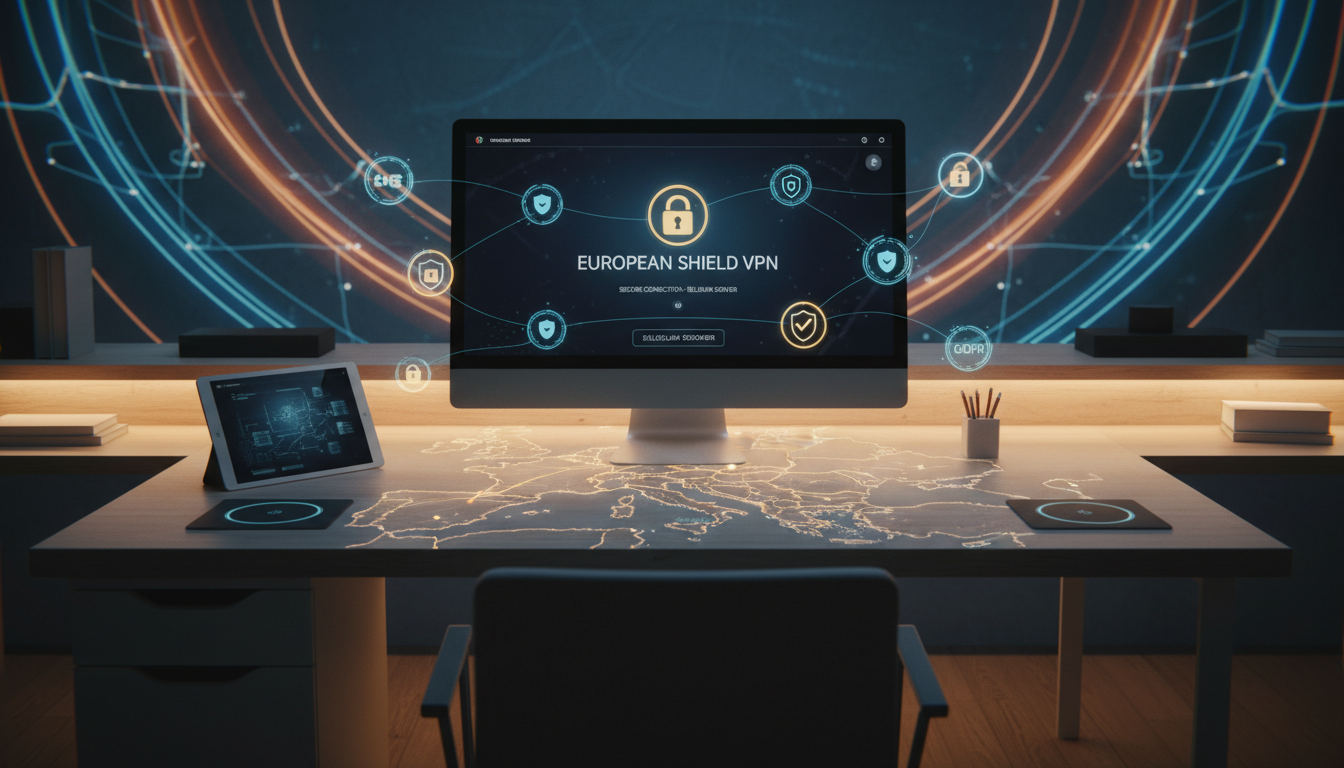
In Europe, digital privacy is becoming a top priority for businesses. With the rise of GDPR and cyber threats, the need for secure VPN technologies is growing. Companies see VPN investments as crucial for protecting data, meeting compliance standards, and ensuring secure operations across borders.
Platforms like freevpnmentor.com offer essential guidance for businesses. FreeVPNmentor and VPNmentor provide expert reviews and guides specific to European privacy laws. This makes it simpler for companies to choose the right VPN solutions. In today’s digital world, VPNs are more than just tools; they are key assets for safeguarding communication and enabling remote work safely across Europe.
The Significance of Digital Privacy in Europe
The digital privacy landscape in Europe has significantly changed how businesses handle user data. Strict European privacy laws and growing digital privacy awareness make compliance essential. It’s not just about following rules; it’s about building trust with consumers. The GDPR has profoundly impacted data handling across various sectors. Platforms like freevpnmentor.com and VPNmentor play a key role in helping companies navigate these complexities.
Join The European Business Briefing
New subscribers this quarter are entered into a draw to win a Rolex Submariner. Join 40,000+ founders, investors and executives who read EBM every day.
SubscribeThe Historical Context of Privacy Laws in Europe
Europe has led in setting up strong data protection laws for decades. The journey from the Data Protection Directive to the GDPR shows a clear path towards stricter measures. These laws have set global standards, shaping how privacy is viewed and managed globally. For businesses aiming to operate in Europe or handle European data, understanding this history is crucial.
Recent Legislative Changes Affecting Businesses
Europe has updated laws like the ePrivacy Regulation to tackle new tech challenges. These updates underscore the need for businesses to remain flexible and informed about data protection. The recent changes emphasize the dynamic nature of digital privacy laws. To stay compliant and protect consumer data, resources like freevpnmentor.com and VPNmentor provide timely guidance and practical advice.
VPN Technologies: A Solution for Enhanced Security
In today’s digital world, businesses are turning to Virtual Private Networks (VPNs) for better data security and network privacy. VPNs create a secure, encrypted tunnel for data, protecting sensitive information from unauthorized access. As cyber threats grow, understanding VPN technology and its features is crucial for any organization to protect its digital assets.
How VPNs Work to Protect Data
Encryption is at the heart of VPN technology. It converts data into a secure code, only accessible with a specific key. Protocols like OpenVPN, IKEv2/IPSec, and WireGuard provide strong security features. These ensure data security, even on public networks, by encrypting all internet traffic.
Beneficial Features of Leading VPN Services
Top VPN services offer advanced features for better security and ease of use. No-log policies ensure user activities are not recorded, preserving network privacy. Multi-factor authentication and automatic kill switches provide continuous protection, even if the VPN connection drops. Additionally, extensive server networks ensure fast, stable connections worldwide, essential for businesses with global operations.
For businesses looking to implement VPNs, FreeVPNmentor provides valuable resources and reviews on freevpnmentor.com. These resources help businesses choose the right VPN service, matching their security needs and operational demands.
Business Investments in VPN Technologies
Enterprises are intensifying their focus on corporate VPN usage to enhance cybersecurity. VPNmentor reports a sharp rise in VPN adoption trends. This is due to the growing need for secure remote access and data protection. We explore the recent surge in enterprise security investments in VPNs. This is to combat cyber threats and meet strict privacy regulations.
Recent analysis shows a significant increase in VPN solutions across finance, healthcare, and e-commerce. These sectors see VPNs as effective in protecting sensitive data and corporate information from cyber threats. With remote work on the rise, ensuring encrypted connections and secure access to corporate networks is crucial.
Various business VPN case studies highlight the transformative impact of these technologies. Companies using VPNs have seen a significant drop in data breaches and increased client trust in data confidentiality. Freevpnmentor.com provides strategic insights. It shows that adopting VPNs not only meets international data protection laws but also boosts operational resilience.
Trends in Corporate Use of VPNs
The rise in VPN adoption trends is clear. Data shows a strong link between stricter data privacy laws and increased VPN adoption in businesses. It’s clear that organizations are aligning their security with global standards through VPN investments.
Case Studies: Successful Implementations
Looking at specific business VPN case studies, a major e-commerce company implemented a customized VPN. This led to a 30% drop in unauthorized access incidents, boosting its secure transaction reputation. In healthcare, a network of hospitals integrated a VPN with their security setups. This improved patient data protection and regulatory compliance.
For more specific advice and comparisons of VPN solutions, VPNmentor and freevpnmentor.com offer detailed guides and expert reviews. These resources can greatly help in making informed decisions about cybersecurity investments.
Choosing the Right VPN: Insights from freevpnmentor.com
As businesses increasingly prioritize digital security, the task of selecting a VPN service becomes critical. Insights from FreeVPNmentor offer a robust starting point for companies looking to safeguard their data. To navigate this landscape, certain key considerations must guide your selection process.
VPN evaluation criteria include factors such as encryption quality, server location choices, and operational jurisdiction—elements that all weigh heavily on the service’s ability to protect user privacy effectively. A sound VPN should not only secure data transmissions but also ensure that operations fall under jurisdictions with strong privacy laws.
Key Factors to Consider When Selecting a VPN
The process of selecting VPN service should be guided by thorough assessment of specific criteria. Encryption strength is paramount; it protects data from interceptions. Jurisdiction plays a crucial role as well; VPNs hosted in countries with favorable privacy laws offer greater protection against legal inquiries. Speed and bandwidth capabilities are also critical for maintaining operational efficiency, especially for businesses with high data usage. Moreover, device compatibility ensures that all segments of a business can be covered without the need for multiple VPN solutions. Lastly, customer support and clear privacy policies, particularly those emphasizing no-log practices, are essential for maintaining trust and compliance.
Recommended VPN Services from FreeVPNmentor
FreeVPNmentor’s VPN reviews freevpnmentor.com highlight several services that stand out in the competitive market particularly for business use. These recommendations are based on extensive testing and user feedback. Here are some of the best VPNs for business, carefully selected and vetted:
| VPN Service | Encryption Quality | Jurisdiction | Speed | Device Compatibility |
| Service A | 256-bit AES | Switzerland | High | Multiple Devices |
| Service B | 256-bit AES | Panama | High | Multiple Devices |
| Service C | 256-bit AES | Iceland | Moderate | Multiple Devices |
In summary, leveraging insights from VPNmentor, particularly those available at FreeVPNmentor, businesses can make informed decisions tailored to their specific operational needs and security contexts. Selecting the right VPN service, with consideration for all these factors, will position businesses to better handle the complexities of modern digital operations.
Conclusion
In the ever-changing world of digital privacy, European businesses are seeing the vital role of business VPNs in protecting sensitive data. The need for advanced VPN technologies grows, driven by strict regulations and escalating cyber threats. This is crucial for companies to stay compliant and safeguard their digital assets.
Platforms like FreeVPNmentor and freevpnmentor.com offer invaluable resources for businesses. They provide detailed, unbiased evaluations and customized advice on choosing the right VPN services. Their knowledge helps leaders make informed decisions, building secure network infrastructures that meet legal and operational demands.
Choosing to invest in VPN solutions is not just a technical move; it’s a strategic decision for any business aiming to uphold trust and integrity. In today’s interconnected, regulated world, staying vigilant and following best practices in VPN deployment is key. This ensures lasting digital privacy and organizational resilience.
FAQ
Why is digital privacy particularly important for businesses operating in Europe?
Digital privacy is crucial for European businesses due to strict regulations like GDPR. These laws require robust data protection measures. Compliance is essential to avoid hefty fines and build trust with consumers. Thus, privacy becomes a key strategic focus for businesses.
How do VPN technologies help businesses comply with European privacy laws?
VPNs secure corporate communications by encrypting data transmissions. This protects sensitive information from interception. By doing so, they meet the privacy and data security standards set by European laws, such as GDPR and the ePrivacy Regulation.
What are the key security protocols used by VPNs to protect data?
Leading VPNs use protocols like OpenVPN, IKEv2/IPSec, and WireGuard. These protocols create encrypted tunnels, ensuring data confidentiality and integrity during transmission. They are essential for VPN effectiveness.
What features should businesses look for when selecting a VPN service?
Businesses should look for strong encryption standards, strict no-log policies, and multi-factor authentication. Features like kill switch capabilities, wide server coverage, and privacy-friendly jurisdictions are also crucial. Responsive customer support is vital. Resources like FreeVPNmentor offer detailed comparisons to help in the selection process.
Can VPNs enhance security for remote workforces?
Absolutely. VPNs enable secure remote access by encrypting communications between employees and company networks. This protects corporate data from exposure on less secure public or home networks.
Are there real-world examples of VPNs improving business security in Europe?
Yes, sectors like finance, healthcare, and e-commerce have seen significant reductions in cyber incidents. They have also experienced enhanced data protection after implementing VPN technologies. These success stories are documented on freevpnmentor.com.
How can freevpnmentor.com assist businesses in choosing the right VPN?
FreeVPNmentor provides comprehensive, unbiased reviews and guides tailored to European privacy requirements. It helps businesses evaluate VPN service providers based on encryption strength, privacy policies, speed, and compliance standards.
What is the role of VPNmentor in the VPN evaluation process?
VPNmentor is a trusted source offering in-depth VPN analyses, comparisons, and user feedback. It supports companies in making informed, strategic decisions about VPN adoption and deployment.