































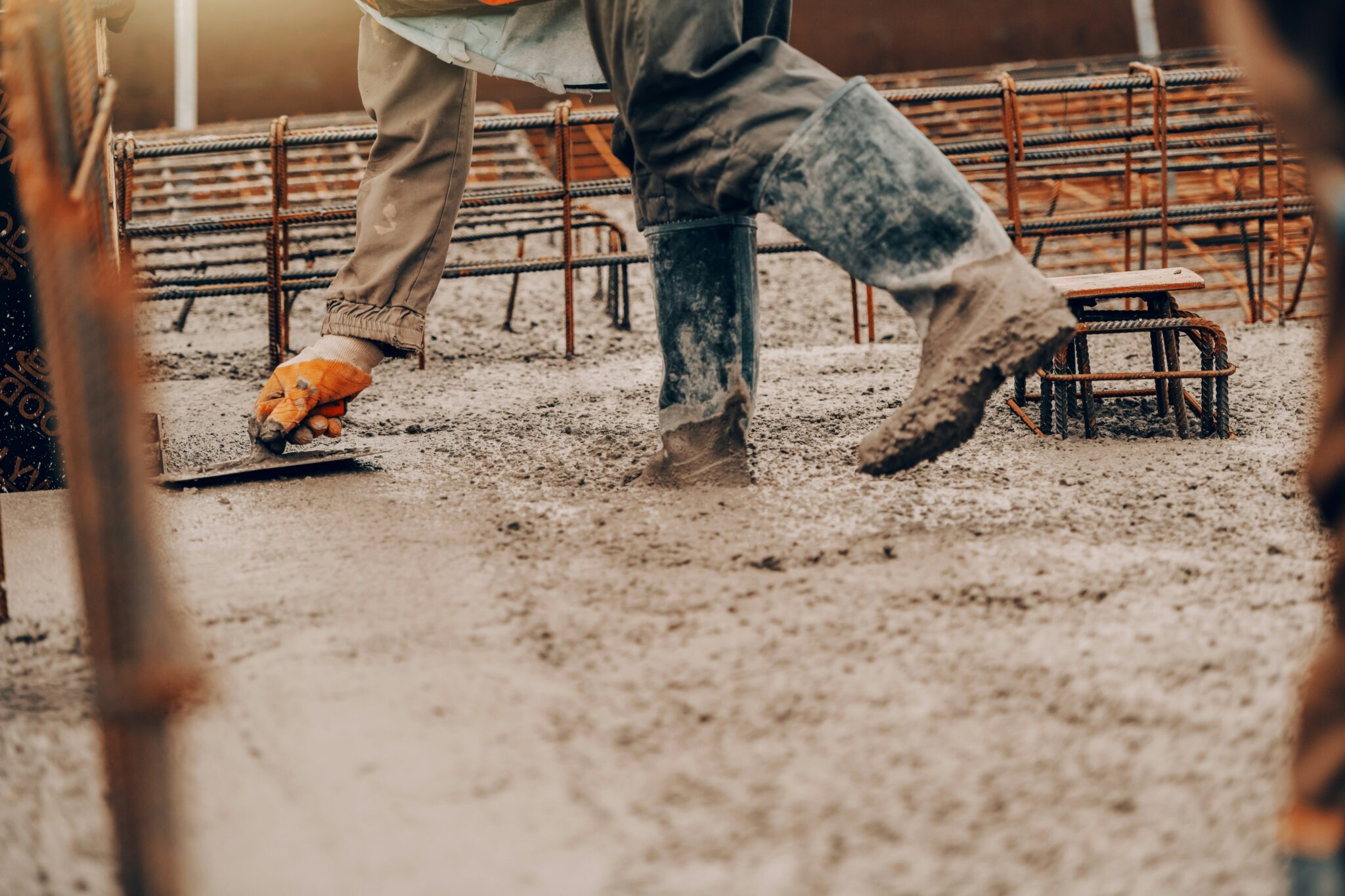
Concrete sidewalks are an essential part of safe, functional, and attractive outdoor spaces. Whether serving residential neighbourhoods, commercial developments, or public infrastructure, a properly installed sidewalk provides reliable access while enhancing the overall appearance of a property. However, long-term performance depends on far more than simply pouring concrete. Site preparation, grading, reinforcement, drainage, and curing all play a critical role in creating a surface that can withstand years of heavy use and Ontario’s challenging weather conditions.
Many property owners begin considering concrete walkway repair only after cracks, uneven sections, or drainage problems become visible. In many cases, these issues are linked to poor installation practices rather than the age of the concrete itself. A sidewalk built on an unstable base or without proper drainage is far more likely to experience settlement, frost damage, and premature deterioration. Understanding the principles of quality construction from the beginning helps reduce maintenance costs and extends the lifespan of the finished surface.
Whether planning a new sidewalk for a residential property or a large-scale commercial development, investing in professional installation delivers long-term value. Careful planning, quality materials, and proper construction techniques help ensure the finished sidewalk remains safe, durable, and visually appealing through every season. By focusing on the details beneath the surface, homeowners, developers, and property managers can create concrete walkways that continue to perform reliably for decades.
Join The European Business Briefing
New subscribers this quarter are entered into a draw to win a Rolex Submariner. Join 40,000+ founders, investors and executives who read EBM every day.
SubscribeConcrete Sidewalk Installation Starts Below the Surface
A durable sidewalk is built long before the concrete is poured. While the finished surface receives the most attention, the strength of any concrete sidewalk depends on proper excavation, grading, compaction, and drainage. Skipping these essential steps can lead to settlement, cracking, standing water, and costly repairs within just a few years. In climates like Ontario, where freeze-thaw cycles place additional stress on concrete, a properly prepared foundation is critical for long-term performance.
Every installation should begin with a careful evaluation of the site. Soil conditions, water drainage, expected pedestrian traffic, and local building requirements all influence how the sidewalk should be constructed. A professional approach ensures that each layer beneath the concrete is designed to provide stability while allowing water to drain away efficiently.
Before construction begins, make sure these key factors are considered:
- Proper excavation to remove unstable soil.
- A compacted granular base that provides long-term support.
- Correct grading to direct water away from the sidewalk.
- Adequate concrete thickness for the intended application.
- Expansion and control joints placed in the right locations.
- Reinforcement when required by project specifications.
- Compliance with local municipal and accessibility standards.
When every stage of the groundwork is completed correctly, the finished sidewalk is far better equipped to resist movement, surface damage, and weather-related deterioration. Strong preparation always leads to stronger long-term results.
Avoid the Most Common Sidewalk Installation Mistakes
Even high-quality concrete cannot compensate for poor construction practices. Many sidewalk failures occur because important details are overlooked during planning or installation rather than because of the material itself. Problems such as uneven slabs, surface cracking, poor drainage, and frost heaving often develop gradually, making prevention far more effective than repair.
Professional concrete sidewalk contractors follow proven installation methods that address these challenges before concrete is placed. Paying attention to the foundation, curing process, and environmental conditions significantly increases the lifespan of the finished sidewalk.
To avoid common installation problems:
- Prepare and compact the base before pouring concrete.
- Install proper expansion and control joints to reduce cracking.
- Ensure the sidewalk has the correct slope for water drainage.
- Use the appropriate concrete mix for local climate conditions.
- Allow sufficient curing time before opening the sidewalk to traffic.
- Protect fresh concrete from extreme temperatures during installation.
- Schedule routine inspections to identify minor issues before they grow.
TIP: Investing in proper site preparation is usually more valuable than choosing a stronger concrete mix alone. A stable base, effective drainage, and professional finishing techniques are the factors that most often determine how well a concrete sidewalk performs over the next 20 to 30 years.
Choose the Right Concrete Sidewalk for Every Project
Not all concrete sidewalks are designed for the same purpose. A residential garden path has different structural requirements than a commercial sidewalk, municipal walkway, or industrial access route. Factors such as pedestrian traffic, drainage, accessibility standards, and local regulations should all influence the final design. Selecting the right construction method from the beginning helps reduce maintenance while improving safety and long-term performance.
Professional contractors also consider reinforcement requirements, joint placement, and concrete thickness based on the intended use of the sidewalk. These details may not be visible after construction, but they have a significant impact on durability and resistance to cracking.
| Sidewalk Type | Best Application | Main Advantage |
| Residential sidewalk | Homes and private properties | Attractive, low-maintenance access |
| Commercial sidewalk | Offices and retail developments | Designed for higher pedestrian traffic |
| Municipal sidewalk | Streetscapes and public spaces | Built to meet municipal specifications |
| Reinforced concrete sidewalk | Industrial and heavy-use areas | Increased structural strength and durability |
TIP: Always choose a sidewalk design that matches the expected traffic and site conditions rather than selecting the minimum construction standard. Proper engineering and quality installation often extend the service life of the sidewalk by many years.
Concrete Curb Installation Adds Long Term Value
Sidewalks perform best when they are integrated with properly constructed curbs and drainage systems. Concrete curbs define traffic areas, improve water management, protect landscaping, and increase the overall durability of roads, parking lots, and pedestrian spaces. A well-designed curb and gutter system helps direct stormwater away from sidewalks, reducing erosion and minimizing damage caused by standing water.
For residential, commercial, and municipal developments, professional concrete curb and gutter installation can be completed by experienced contractors such as Landschaft Construction. Proper excavation, forming, reinforcement, and finishing ensure every installation meets local standards while delivering reliable long-term performance in Ontario’s demanding climate.
Professional concrete curb services typically include:
- Concrete curb and gutter installation
- Barrier and mountable curb construction
- Residential and commercial concrete curbs
- Site grading and drainage preparation
- Concrete removal and replacement
- Municipal standard concrete installations
- Final finishing and quality inspection
When sidewalks and curbs are planned as part of one complete system, they provide better drainage, improved accessibility, and greater structural stability. This integrated approach helps protect the entire project while reducing maintenance requirements over the long term.
Simple Maintenance Keeps Concrete Sidewalks Strong
Concrete sidewalks are known for their durability, but regular maintenance is still essential for maximizing their lifespan. Seasonal temperature changes, moisture, de-icing products, and everyday foot traffic gradually affect even professionally installed concrete. Routine inspections and timely maintenance help prevent minor imperfections from developing into larger structural problems that require extensive repairs or complete replacement.
Fortunately, keeping a sidewalk in excellent condition does not require complicated maintenance. Small preventative measures performed throughout the year help preserve both the appearance and structural integrity of the concrete.
To keep a concrete sidewalk performing at its best:
- Remove dirt, leaves, and debris regularly.
- Keep drainage areas free from standing water.
- Seal concrete when recommended for additional surface protection.
- Repair small cracks before moisture can penetrate deeper.
- Avoid excessive use of harsh de-icing chemicals during winter.
- Inspect expansion joints for signs of deterioration.
- Monitor tree roots that could lift or damage the sidewalk.
Consistent maintenance protects the investment while reducing the likelihood of expensive repairs. A well-maintained sidewalk remains safer, more attractive, and more resistant to Ontario’s demanding weather conditions.
Know When Sidewalk Repairs Are No Longer Enough
While many minor cracks and surface imperfections can be repaired, not every damaged sidewalk should be restored. Severe settlement, widespread cracking, drainage failures, or deteriorated foundations often indicate that replacing the concrete is a more practical long-term solution. Addressing the underlying cause of the damage is just as important as repairing the visible surface.
Professional contractors evaluate both the condition of the concrete and the stability of the supporting base before recommending repairs or replacement. This approach ensures that new work solves the actual problem instead of temporarily hiding it.
Signs that replacement may be the better option include:
- Large sections of uneven or sunken concrete.
- Multiple structural cracks across the sidewalk.
- Standing water caused by improper grading.
- Significant frost heave or recurring movement.
- Exposed reinforcement or crumbling concrete.
- Previous repairs that continue to fail.
- Safety hazards affecting pedestrian accessibility.
Understanding the difference between repair and replacement helps property owners make informed decisions that reduce future maintenance costs while improving the long-term safety and performance of their sidewalks.
Build Sidewalks That Stand the Test of Time
A durable concrete sidewalk is the result of careful planning, quality materials, and professional installation rather than the concrete itself. From proper excavation and drainage to reinforcement, joint placement, and curing, every stage of the construction process contributes to the long-term performance of the finished surface. Investing in these fundamentals helps prevent common problems such as cracking, settlement, and premature deterioration while creating a safer and more attractive environment.
Just as important as the initial installation is ongoing maintenance. Regular inspections, timely repairs, and proper seasonal care allow concrete sidewalks and curbs to maintain their strength and appearance despite years of pedestrian traffic and changing weather conditions. Addressing small issues early helps protect the underlying structure and extends the overall service life of the installation.
Whether the project involves a residential walkway, a commercial sidewalk, or a complete curb and gutter system, focusing on quality construction from the beginning is always the best long-term investment. With the right planning and attention to detail, a concrete sidewalk can continue providing safety, functionality, and lasting value for decades while enhancing the overall character of the surrounding property.