






























Yes — with the right bike and the right preparation, an e-bike handles heavy rain exactly as well as a normal bicycle, and often better. Modern electric systems are sealed against water, and features such as fenders, integrated lights and disc brakes make a wet commute genuinely practical. What matters is knowing what rain actually does to each component.
This guide covers how rain affects motors, batteries, brakes and connectors, what the certification standards guarantee, how to ride safely in a downpour, and how to dry and protect an e-bike after the storm.
The honest summary: the electrical system is the least of your worries in rain — the mechanical parts and your riding technique decide whether the ride is safe and enjoyable.
Join The European Business Briefing
New subscribers this quarter are entered into a draw to win a Rolex Submariner. Join 40,000+ founders, investors and executives who read EBM every day.
SubscribeWhat the Standards Say About Water Resistance
Every certified pedelec sold in Europe must meet the electrical safety requirements of EN 15194, which covers the battery, motor and wiring against normal exposure to moisture. In practice, reputable brands design their connectors and battery mounts to shrug off rain, and quality bikes continue assisting through downpours without drama.
What the standard does not promise is immersion: riding through deep flooded water is where e-bikes actually get damaged. Treat the rule as simple — if water is deep enough to reach the motor or the battery contacts, do not ride through it. Splash, spray and standing rain are fine; submersion is not.
As a rough guide, look for bikes that state weather-sealed connectors and a rated battery mount; brands that build for northern European weather will usually say so in their specifications. A two-year warranty covering the electrical system is another useful signal that the bike is expected to live in the rain.
Battery and Motor in the Rain
The battery and motor are the components riders worry about most, and the ones least likely to fail in rain. The battery sits in a sealed mount with a locking cover, and quality packs are rated for weather exposure. The motor is sealed at the factory, whether it is a hub motor in the wheel or a mid-drive unit at the cranks.
Two habits keep them healthy: dry the charge port before plugging in the charger (water on the contacts is the classic way to damage a battery), and remove the battery for indoor charging on very wet days. A removable battery makes both habits easy.
Brakes and Tyres in the Wet
Rain changes braking distance before it changes anything else. Disc brakes, especially hydraulic ones, stop dependably in the wet; rim brakes lose a lot of grip until they dry. If your e-bike has rim brakes, brake earlier and more gently, and consider an upgrade to disc brakes if you ride in the wet often.
Tyres matter just as much: wide tyres with a light tread clear water more predictably than narrow slicks, and correct pressure keeps the contact patch stable. When the road is wet, brake earlier, corner more gently, and leave extra distance to the car in front.
Brake pads also wear faster in the wet because grit and water accelerate abrasion, so inspect them monthly during rainy seasons. Worn pads on a heavy e-bike are a real safety issue — replace them before they reach the wear indicator.
Electronics, Display and Connectors
The display, assist controls and wiring connectors are sealed in quality bikes, but they still benefit from care. Keep the display facing forward so rain runs off it, avoid aiming a pressure washer at the bike, and check that cable connectors are fully seated — a loose connector is the most common source of rain-related glitches.
If the display ever blinks or the assist cuts out in heavy rain, it is almost always a connector or a charge-port issue rather than a dead motor. Dry everything, reseat the connectors, and the system usually returns to normal.
Riding Technique in Heavy Rain
The same rules that keep you safe on a normal bike apply, with extra weight in mind: brake earlier and more gently, avoid painted road markings and manhole covers when turning, and keep lights on even in daylight. An e-bike is heavier and faster than a standard bicycle, so stopping distances grow accordingly.
Visibility is a two-way street: fit a rear light, wear a bright or reflective layer, and use the integrated front light. On heavy-rain days, slowing down a few km/h is the cheapest safety upgrade you can make.
Water on the road also hides hazards: puddles can cover potholes, and leaves or oil slicks appear suddenly in autumn rain. Ride the familiar route in the wet before you rely on it, and give yourself an extra metre of braking room at every junction.
After the Ride: Drying and Care
A two-minute dry-down after a wet ride protects the parts that actually wear: wipe the frame and display, dry the charge port, and let the bike stand indoors so the drivetrain dries rather than corroding. Lubricate the chain with a wet-weather lube more often in rainy seasons, and check brake pads sooner — wet grit accelerates pad wear.
Store the battery indoors at a comfortable temperature, ideally off the bike, and charge it only once the contacts are dry. That single habit prevents the vast majority of rain-related battery problems.
Which E-Bikes Handle Rain Best
A city e-bike is usually the best rain companion, because commuter models come with integrated fenders, sealed lights and often disc brakes as standard — three things that turn a wet ride into a normal one. If you commute through the wettest months, look for those features before anything else.
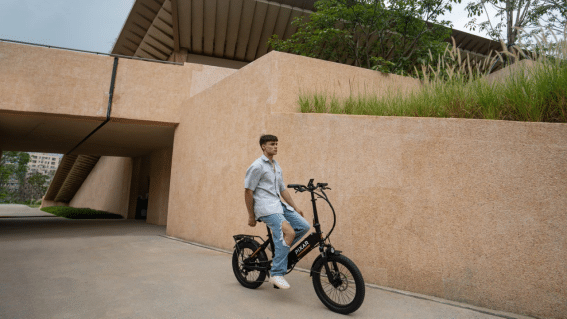
A folding e-bike can be just as rain-ready: the same sealed electrical system applies, and the compact build means it spends more time dry indoors — which is exactly what your battery wants. Many commuters ride a folding e-bike precisely because it can be stored and charged inside after a storm.
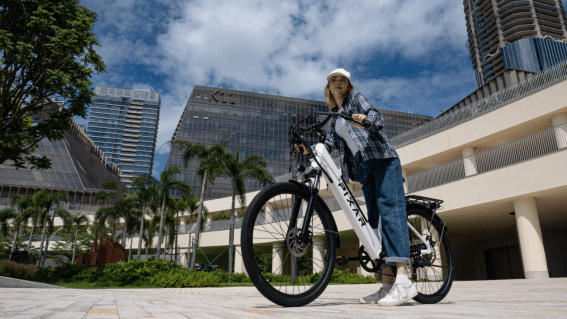
Whichever you choose, buy from a brand that is honest about weather: European direct-to-consumer brands such as PIXAR fit fenders and integrated lights as standard on commuter models and back them with a two-year warranty, so a wet Tuesday never becomes a repair bill.
Frequently Asked Questions
Can I charge an e-bike battery in the rain?
Never charge with a wet charge port or wet contacts. Bring the battery indoors, let the contacts dry completely, then plug it in. Charging itself produces no issue — moisture is the only danger.
Will rain damage the motor?
No, if the bike is certified and the connectors are sealed. Motors are built to handle rain, spray and puddles. The risk is submersion in deep water, so avoid flooding and never pressure-wash the bike.
Do e-bike brakes work in heavy rain?
Disc brakes work well in the wet; rim brakes lose grip until they dry. If you ride in rain often, choose or upgrade to disc brakes and brake earlier in the wet.
What should I do after riding in heavy rain?
Dry the frame, display and charge port, wipe the chain and apply wet-weather lube if needed, and store the battery indoors. Two minutes of care keeps the bike healthy for years of wet commutes. If the drivetrain looks gritty, a quick rinse with fresh water followed by lubrication beats leaving the grit to grind the chain and cassette.
Is it safe to ride an e-bike in a thunderstorm?
The bike itself is safe, but the riding is not: lightning and high winds create real danger. If a storm is overhead, wait it out. Heavy rain alone is manageable; thunderstorms are a different story.
Final Words
Heavy rain should not decide whether you ride. A certified e-bike with sealed connectors, disc brakes, fenders and lights handles a downpour as well as any bicycle — and often better, because the motor keeps you moving calmly through it. Prepare the bike, adjust your riding, dry it afterwards, and the rain becomes just another part of the commute.
The bikes that struggle in rain are the ones with exposed connectors and dry chains, not the ones with sealed electrical systems. Prepare for the season once, and heavy rain stops being a reason to stay home.