



























Railway systems will continue to need some form of constant monitoring in order to operate safely and efficiently. The methods traditionally used to monitor railway systems include manual inspections as well as periodic surveys. Manual inspections and surveys have been and can remain time-consuming and may place employees at risk when conducting such activities.
New remote monitoring technology is changing the way railway systems observe their infrastructure and assets, providing the opportunity for operators to receive a wealth of data and gain insight into operational performance remotely. With this new remote monitoring technology, rail operators will now be able to identify anomalies sooner, make better decisions regarding maintenance, and lessen their reliance on frequent site visits.
Why Remote Monitoring Matters in Modern Rail Networks
Below, we will look at some of the top remote monitoring platforms for railways, highlighting how they capture, analyze, and report infrastructure and asset data. These solutions help operators detect issues earlier, improve maintenance planning, and reduce reliance on on-site inspections.
Join The European Business Briefing
New subscribers this quarter are entered into a draw to win a Rolex Submariner. Join 40,000+ founders, investors and executives who read EBM every day.
Subscribe-
OneBigCircle
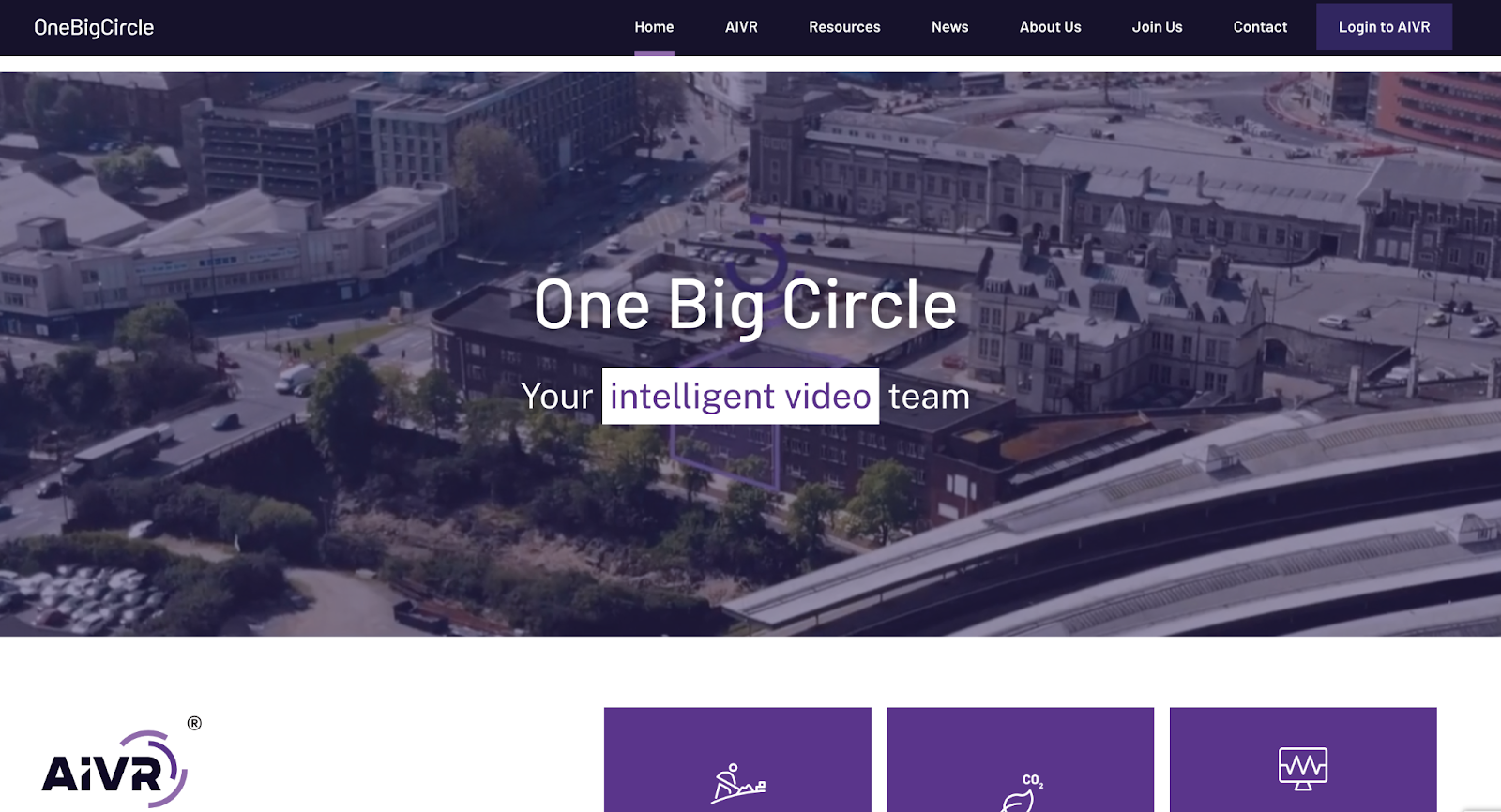
One Big Circle combines advanced rail technologies within a cloud-based remote track monitoring platform that allows railways to continuously capture, store, and analyze inspection and track condition data.
Key Features
- Automated collection of data during normal operating hours: HD video and sensors collect images of the rail infrastructure and its current condition as rolling stock travels over the rail network.
- Cloud-hosted tools for viewing and reviewing collected rail imagery: Users can browse, search, and add annotations to previously collected rail footage utilizing a web-based interface.
- Algorithms for AI-assisted detection and analysis: Algorithms assist in identifying and highlighting features, patterns, and potential defects that may have taken a person time to find manually.
- Overlays for planning and comparison: Tools allow users to layer past data on top of one another to visualize deterioration over time and compare seasonal changes along inspected routes.
- Remote safety enhanced inspection workflows: Reduce exposure to being on-track by allowing users to perform a complete review of the inspection at a safe remote location.
One Big Circle delivers a scalable remote monitoring solution that helps railway operators gain continuous visibility into infrastructure conditions, enabling smarter maintenance decisions and safer inspection processes.
2. Trimble
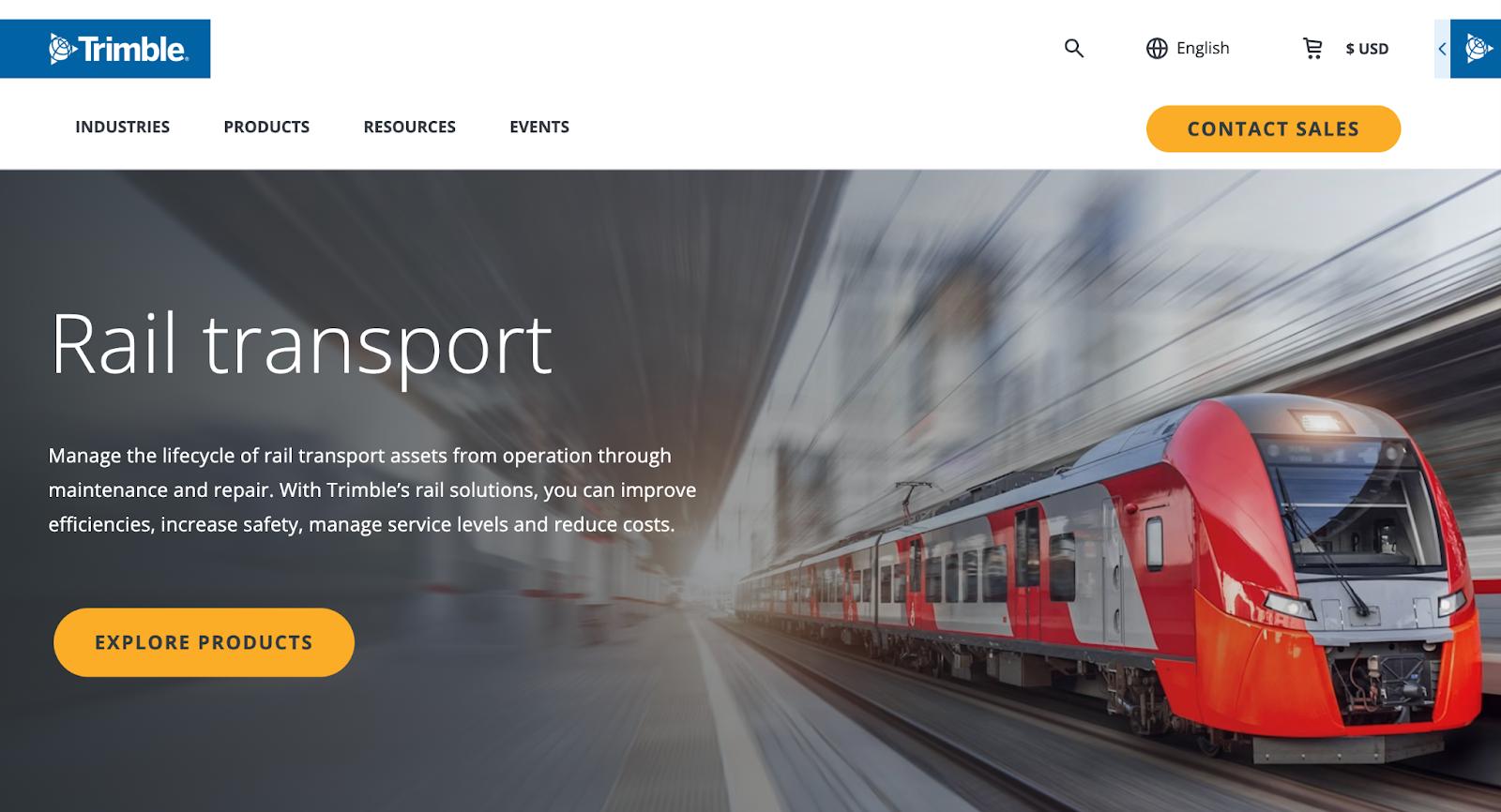
Trimble’s railway solutions offer remote monitoring of rail conditions by collecting and analyzing information about the condition of rail equipment and track structures using various types of sensors and cameras on board and alongside rail vehicles as they move through the network.
The data collected from these systems can be used to determine how well or poorly the rail network is functioning without requiring operators to make frequent on-site inspections of the rails and/or rolling stock.
Key Features
- Automated Collection of Sensor Data: Data collection from sensors and cameras on the wheels, brakes, and underside of rail vehicles occurs while in motion.
- Geospatial and Mapping Tools: Rail condition data collected from sensors and cameras is integrated into digital geospatial models of the rail system.
- Reporting of Fleet and Infrastructure Status: Dashboards located remotely allow operators to monitor key performance indicators related to fleets and infrastructure.
- Integration with Asset Management Tools: The outputs of the inspection data collected from sensors and cameras on the rail network are connected to other asset management systems and tools.
Trimble Railway’s solutions are most suited to those organizations looking for an integration between remote monitoring and digital mapping and condition assessments of their rail network and associated assets.
3. Sperry Rail Condition Monitoring System

The Sperry Rail Condition Monitoring System is focused on rail condition monitoring internally as well as using non-destructive test (NDT) technology. The primary function of these systems is to provide insight into rail condition and safety by identifying rail flaws that are not apparent visually from the outside.
Key Features
- Ultrasonic and nondestructive testing systems: Identify internal rail defects that do not appear visually from the outside.
- Rail Condition Trend Analysis: Provide a means to prioritize maintenance activities based upon past detection of rail flaws.
- Remote Reporting of Detection Data: Provide remote access to review detection data and report potential problems identified during the inspection process.
The Sperry Rail Condition Monitoring System is ideal for use in rail networks requiring identification of internal rail flaws, which can be used to enhance a broad remote rail monitoring program.
Summing Up
The use of remote monitoring technology for railways allows for the application of automated data collection and analysis as well as visual and analytical tools that allow railway managers and engineers to obtain a better overall view of their assets and infrastructure from a distance.
These types of systems can also reduce the amount of time spent by employees performing manual inspections; therefore allowing potential problems to be identified sooner, improving employee safety and providing information necessary to make more informed decisions related to planned maintenance and repairs.
As with many other aspects of the rail industry, remote monitoring has become an integral part of the advancement of how railroads operate.