




























Many modern cities carry visible traces of their industrial past: cracked canal edges, empty warehouses, and quiet streets where factories once thrived. These places can feel cut off from a digital economy. They sit unused and lose value. The Paddington area in London shows how to change that. It turns a neglected waterway into a lively business and community hub. This article explains the steps taken at Paddington Basin and offers a clear blueprint for other cities.
A Forgotten Waterway’s New Purpose
Paddington Basin used to be a working terminus on the Grand Union Canal. Barges came and went. Then canal transport declined and the area fell into neglect. It contrasted sharply with the neighbouring Paddington Station, a grand Victorian landmark by Isambard Kingdom Brunel. The aim was not just to build offices. The plan was to craft a place with identity. A place that respects its industrial story and meets modern business needs. The vision: a mixed-use waterside community and a top London business address. For busy executives and travellers, smooth logistics matter. Services that handle personal bags, like the Qeepl service, make short business trips easier and let people move around without extra baggage.
Join The European Business Briefing
New subscribers this quarter are entered into a draw to win a Rolex Submariner. Join 40,000+ founders, investors and executives who read EBM every day.
SubscribeThe Strategic Masterplan for a Modern Hub
The change at Paddington Basin followed a long-term masterplan. It was carefully designed. The goal was high-density, mixed uses with strong public space and good links. Developers realised companies want more than empty floors. They want environments that help teams connect, be creative, and stay well. The canal became the organising element. Buildings and public spaces were shaped to maximise waterside views and easy access. This gave Paddington a distinct character, setting it apart from Canary Wharf or the old City.
Development happened in phases. That allowed the area to grow slowly and attract a variety of tenants over time. The mix helped the place stay viable in the long run. Visitors often say the waterside feels both calm and busy. Yes.
Architectural Innovation Meets Corporate Demand
Great architecture played a big role. Instead of bland office blocks, the area features striking contemporary buildings by well-known architects. These designs helped to draw international firms.
The Brunel Building and Beyond
The Brunel Building is a good example. Its external steel diagrid gives large, column-free floors inside. That flexibility works well for many kinds of companies. Tech and creative firms find it useful. Nearby, 5 Merchant Square hosts the UK headquarters of Microsoft. Having such a tenant put Paddington on the map as a tech destination. These buildings do more than hold people and desks. They send a visible signal: this is a modern, forward-looking business district.
Merchant Square and Its Public Realm
Merchant Square acts as the area’s heart. It is a public space for events, markets, and community gatherings. The Fan Bridge is a notable attraction — a kinetic structure that opens and closes like a fan. Then there is the Floating Pocket Park. It is London’s first floating park and offers a small green space on the canal. These features are not mere decoration. They improve daily life for people who work, live, and visit here. That helps keep the neighbourhood active beyond office hours.
People often notice how events and design make the place welcoming. Little things add up. Actually—scratch that. It really does show.
Cultivating a Live-Work-Play Environment
Modern business areas succeed when work, home, and leisure blend well. Paddington Basin makes this blend obvious. The area includes upscale apartments, hotels like the Hilton London Metropole, and many cafes and restaurants. With shops, cultural events, and sport activities, the district stays busy day and night. This 24/7 rhythm makes it easier for companies to attract staff who want a balanced life.
A curated events programme helps too. Examples include open-air cinema in summer, water sports such as paddleboarding and dragon boat races, and street food markets. These activities build community and keep the area lively. Visitors report feeling more connected to the place because of these options.
Connectivity as a Cornerstone for Growth
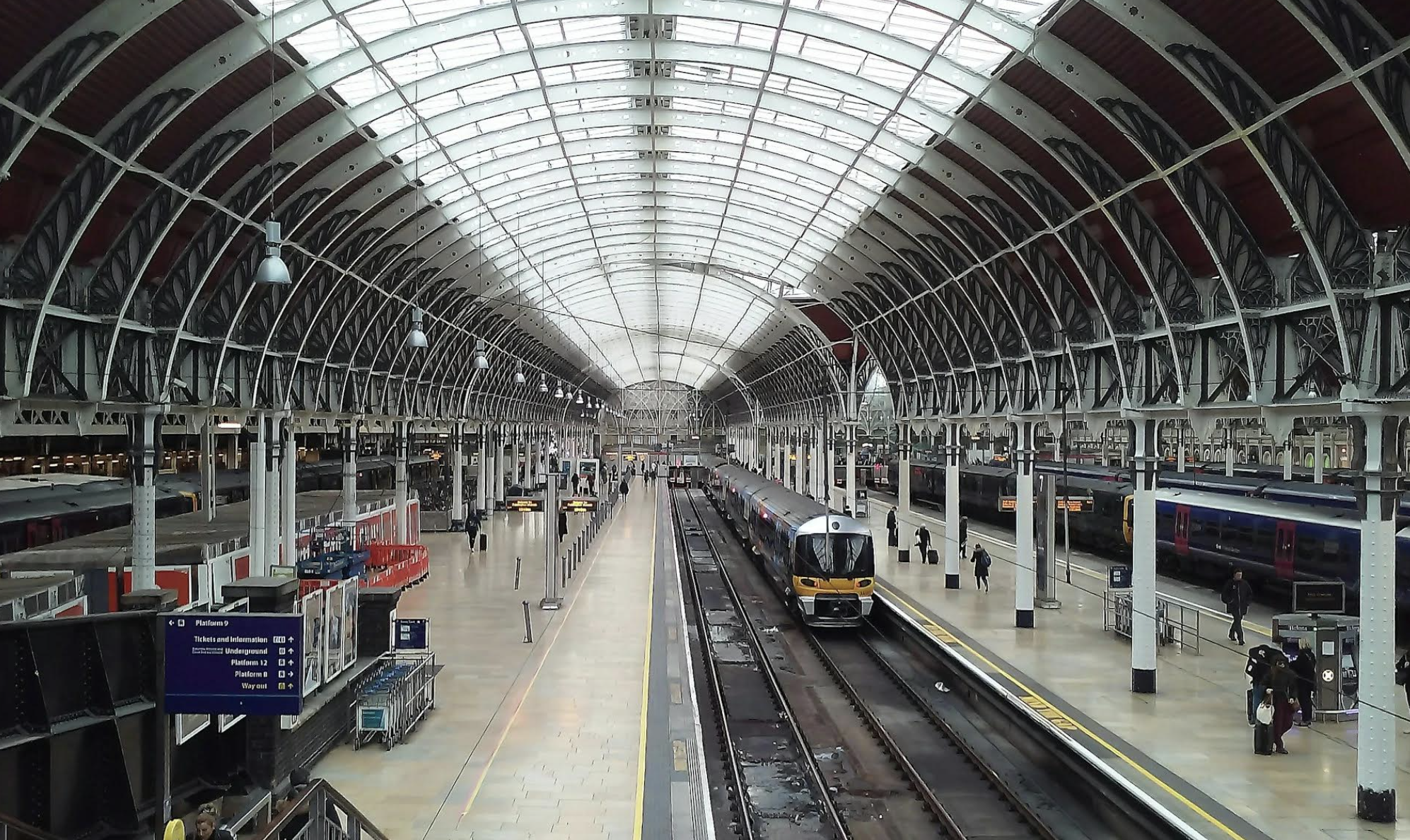
Street life and design matter, but so does transport. Paddington Station is a major reason the district works. It links the area to Heathrow Airport in about 15 minutes via the Heathrow Express. That is a major benefit for international firms and frequent travellers. The Elizabeth Line has made accessibility even better. It cuts journey times across London and connects Paddington to Canary Wharf and the City of London in under 20 minutes. This excellent transport web connects local businesses to regional, national, and global markets.
For cities aiming to revive old industrial zones, the Paddington model shows three essentials: a clear long-term plan, strong public spaces and architecture, and top-tier transport links. Mix in housing, leisure, and events, and the district becomes more than a place to work. It becomes a place to live and meet. However, careful phasing and the right tenants are needed to keep momentum going.
Paddington Basin is not a miracle. It is a sequence of choices: design, public life, and connectivity. Other cities can follow this pattern and adapt it to their own histories and needs. The result can be new urban places that are both productive and inviting.