



























EBM Weekend Read
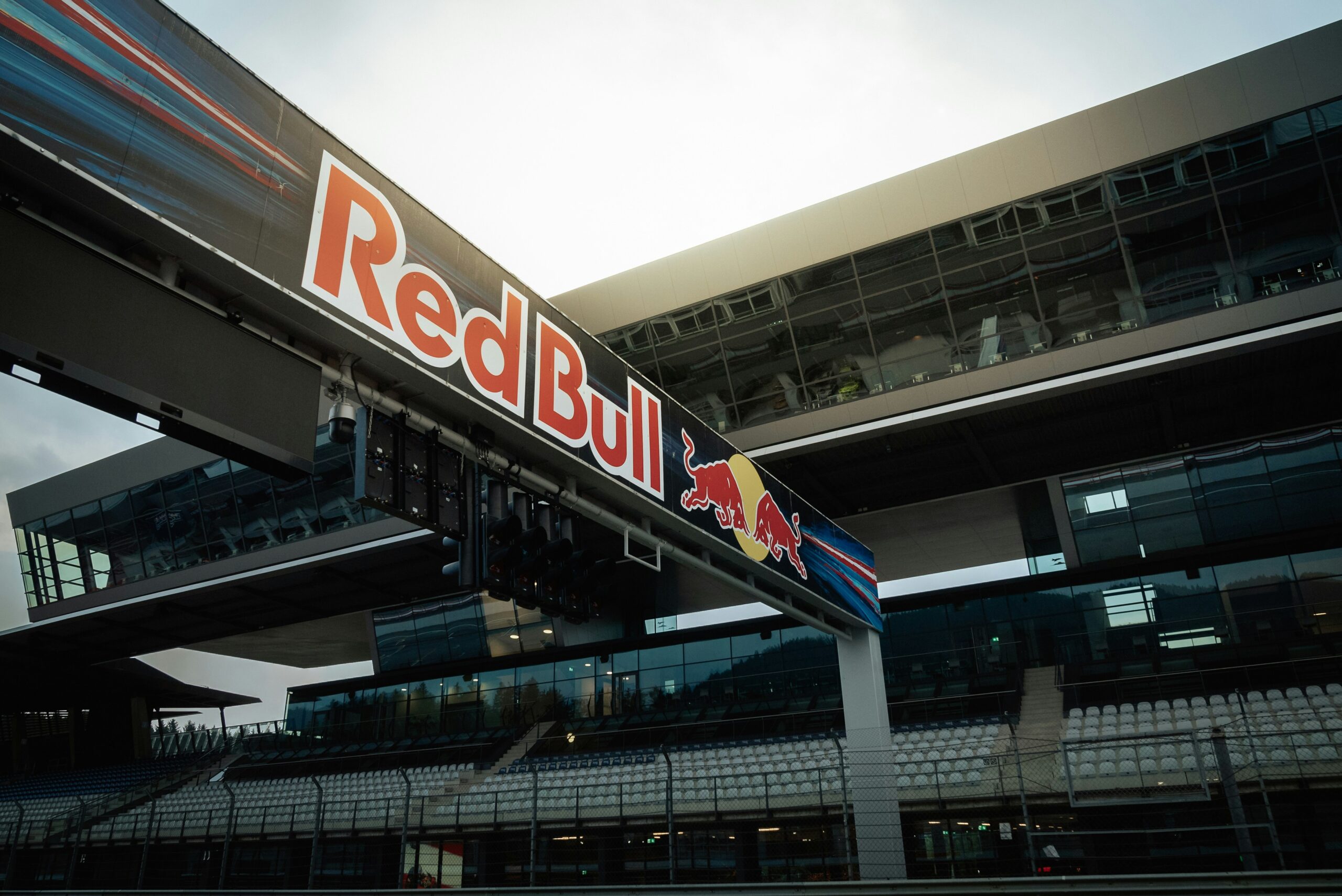
Salzburg, 25 April 2026 — In November 2004, Ford Motor Company sold the loss-making Jaguar Racing Formula One team to an Austrian energy drinks company for a headline price of $1. The buyer, Red Bull GmbH, agreed under the terms of the deal to invest approximately $400 million in operational costs over the following three years. Twenty-one years on, Red Bull has spent more than $2.3 billion on Red Bull Racing and counting, won eight Constructors’ Championships including the 2023 season in which Max Verstappen took 19 of 22 race wins, and turned the team into one of the most consequential brand assets in modern marketing. Red Bull GmbH today is privately valued in excess of $20 billion with brand value alone estimated by Interbrand at $10.2 billion. The energy drink business sells over 12 billion cans annually across 178 countries at a 43% global market share. The company has never run a meaningful television advertising campaign in the way Coca-Cola, Pepsi or Monster Energy do.
The reason it doesn’t need to is the subject of this case study. Red Bull did not buy a Formula One team in 2004. It bought a continuously-running, globally-distributed marketing machine that happens to compete in races. The distinction sounds semantic but it is the entire commercial logic of the company. Understanding it is essential for any business strategist, marketing executive or brand owner trying to work out why Red Bull’s commercial economics look so different from those of any other beverage company in the world.
The Original Trade
Join The European Business Briefing
New subscribers this quarter are entered into a draw to win a Rolex Submariner. Join 40,000+ founders, investors and executives who read EBM every day.
Subscribe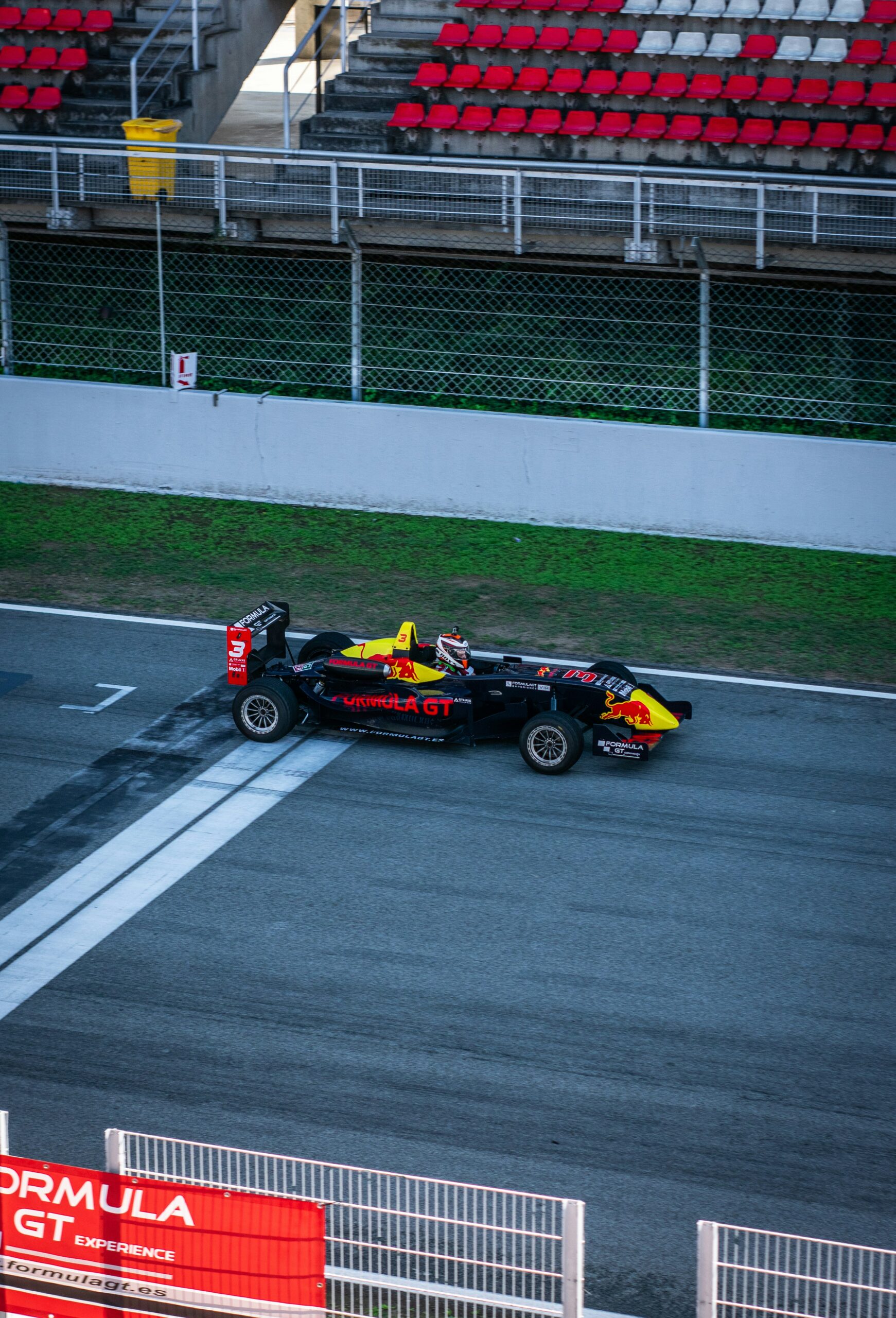 The 2004 Jaguar deal is one of the most remarkable acquisitions in modern sports business history. Ford had owned the team since 1999, having bought the Stewart Grand Prix outfit founded by Jackie Stewart in 1997, and had spent roughly $1 billion across five seasons trying — and failing — to make Jaguar Racing competitive. By 2004 the team was burning operational cash at roughly $130 million per year with no path to championship contention.
Dietrich Mateschitz, the Austrian co-founder of Red Bull, was already an F1 sponsor — Red Bull had backed Sauber, Arrows and indeed Jaguar itself in earlier seasons. When Ford decided to exit, Mateschitz recognised what nobody else seemed to: that owning the team outright would be cheaper than sponsoring it indefinitely, and would convert a recurring marketing expense into a self-sustaining brand asset. The $1 nominal purchase price was symbolic. The real cost was the $400 million three-year operational commitment, plus everything that followed.
The strategic shift Mateschitz was making is worth pausing on. A traditional beverage company spends marketing dollars on sponsorship and earns brand exposure as a return. PepsiCo sponsors the Super Bowl halftime show; Coca-Cola sponsors the Olympics; Monster sponsors driver liveries. The expense lands on the income statement, the exposure lands on the brand. Mateschitz inverted the model: buy the platform itself, control the content it produces, and then charge other sponsors for distribution on it. Sponsorship expense becomes sponsorship income.
By 2022 — when Mateschitz died at the age of 78 — that single inversion had built Red Bull into one of the most differentiated marketing machines in the world.
The Numbers
The financial structure of Red Bull Racing’s economics, reconstructed from public sources and industry estimates:
Cumulative Mateschitz-era investment in Red Bull Racing (2004-2022): ~$2.3 billion
Annual operational cost of running both Red Bull Racing and AlphaTauri (the second team): $300-500 million
Estimated annual brand exposure value generated by Red Bull Racing: $300 million+ per year, or $5 billion+ cumulative across the team’s first 14 years (Forbes/industry estimate)
Sponsorship revenue Red Bull recoups from third parties (Oracle naming rights at $500 million, Tag Heuer, Puma, Tezos and others): partially offsets operational cost rather than appearing in P&L as marketing spend
F1 viewership Red Bull Racing reaches: 445 million global viewers in 2021, growing to over 1 billion across multi-race exposure
F1 broadcast frequency: approximately every two weeks during the season — versus the World Cup or Olympics, which run only every four years. F1 delivers Red Bull about 22 brand exposures per year, every year, indefinitely.
The arithmetic is the entire logic. Even at the high end of operational cost ($500m/year), brand exposure value at $300m/year, plus sponsorship recovery of $100-150m/year, plus championship-validation premium that compounds into the consumer brand — the net annual cost of running the F1 operation is materially less than what an equivalent traditional advertising campaign would cost. Red Bull is buying its marketing budget at a discount to the open market rate.
The Sponsorship Arbitrage
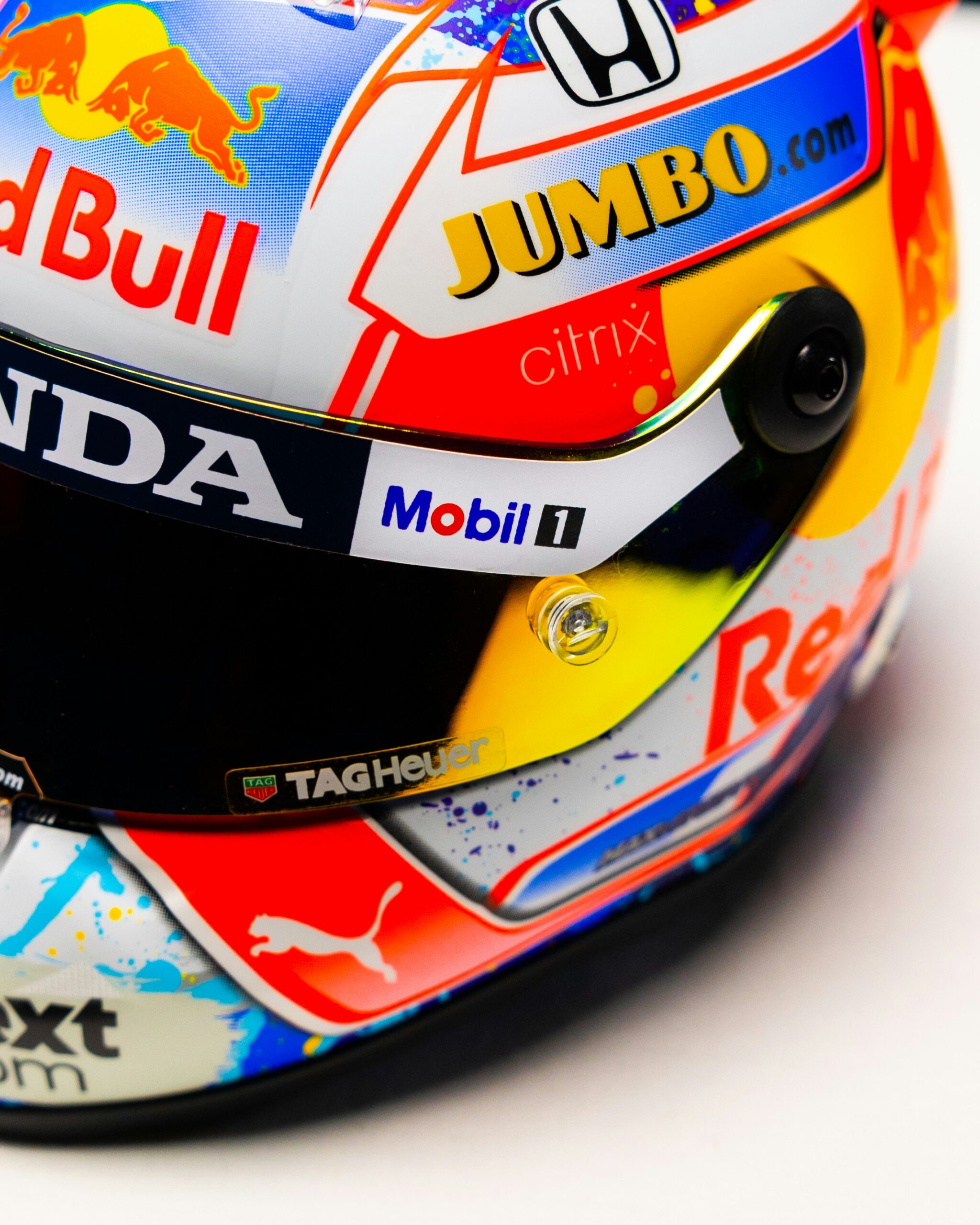 The most undervalued part of the Red Bull strategy is the sponsorship arbitrage that runs alongside the brand exposure. Once you own the team, every other sponsor on the car, the helmet, the pit lane, the race suit, the press conference backdrop, the team principal’s polo shirt — they are paying you for distribution. The team becomes a media platform with paying tenants.
Oracle’s reported $500 million naming rights deal for the team to be branded as “Oracle Red Bull Racing” from 2022 onwards is the largest single example. Tag Heuer pays for chronometry rights. Puma pays for apparel partnership. Tezos paid for crypto-era sponsor real estate. Every one of these deals is revenue that, in a traditional sponsorship model, Red Bull would have had to pay other parties to acquire. Owning the team turned an outflow into an inflow.
This is the structural genius of the model. Other F1 sponsors are now subsidising Red Bull’s marketing operation. When Oracle pays $500m to put their name on Red Bull’s car, they are simultaneously buying global F1 visibility for themselves AND offsetting the cost of Red Bull’s brand exposure. Red Bull captures both sides of the transaction.
The Talent Pipeline
 Less commercially visible but strategically vital is the Red Bull Junior Team — the European motorsport talent pipeline that has produced Sebastian Vettel (4 Drivers’ Championships 2010-2013) and Max Verstappen (multiple back-to-back Drivers’ Championships, generational talent). Verstappen was discovered by Red Bull at 12 years old in 1999 and trained under Helmut Marko, Mateschitz’s friend and the legendary talent-scouting figure inside the Red Bull motorsport division.
This is the part of the model most copyable companies miss. Red Bull doesn’t pay market rate for star drivers — it grows them. Vettel and Verstappen at peak market rates would each cost a competing team $50-80 million per year in driver salary and incentives. By having developed both inside the Red Bull Junior pipeline from junior categories upwards, Red Bull retains them at materially lower compensation while capturing all the brand value of their championships.
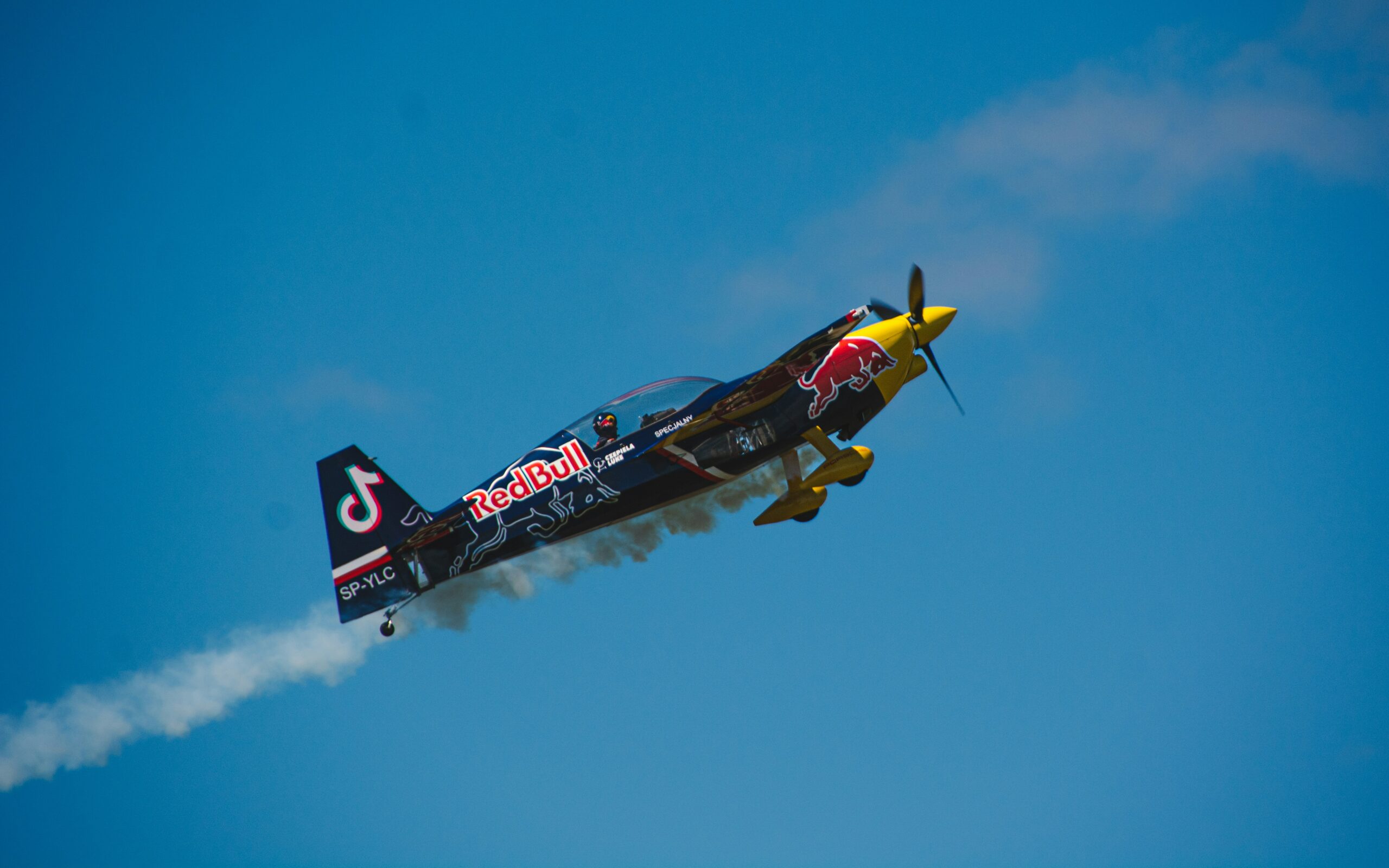
The pipeline extends across motorsport, extreme sports (Felix Baumgartner’s 2012 space jump generated 8+ million live viewers and an estimated 7% spike in US Red Bull sales over the following six months), football (RB Leipzig, RB Salzburg, NY Red Bulls), esports, and music. Red Bull Media House, founded in 2007, employs hundreds of filmmakers producing the content that wraps around all of it.
The European Read
For European business strategists, the Red Bull case study contains three specific lessons that almost no European corporate has yet absorbed:
First, brand-led companies should consider owning their distribution platforms rather than renting them. Sponsorship spend is an expense; platform ownership is an asset. The same logic that drove Red Bull into F1 applies to luxury (Hermès owning craft workshops, LVMH owning auction houses), premium consumer goods, and any category where brand authenticity drives margin.
Second, the arbitrage between sponsorship-as-cost and sponsorship-as-revenue is one of the few genuinely structural advantages available in modern marketing. Most European brands — particularly in football, fashion and luxury — still treat sponsorship as a recurring expense line. Red Bull treats it as a revenue category that pays for itself.
Third, and most underappreciated, talent pipelines compound at a rate the open market can’t match. Vettel and Verstappen would have cost Red Bull two or three times what they actually cost if they had been recruited at market price after they had already become stars. Building the talent earlier in the pipeline captures the upside of their development at a fraction of the price.
Mateschitz died in October 2022, the same weekend Red Bull Racing clinched the season’s Constructors’ Championship. The company he built continues to run on the same model he established. F1’s relevance to global marketing economics has only grown since — broadcasting rights, US viewership, the Drive to Survive Netflix effect, the Las Vegas Grand Prix.
The man who paid $1 for a failing F1 team in 2004 turned out to have made one of the smartest marketing trades of the 21st century. The energy drink, in the end, was almost incidental.
Related Analysis