






























EBM Newsdesk Analysis
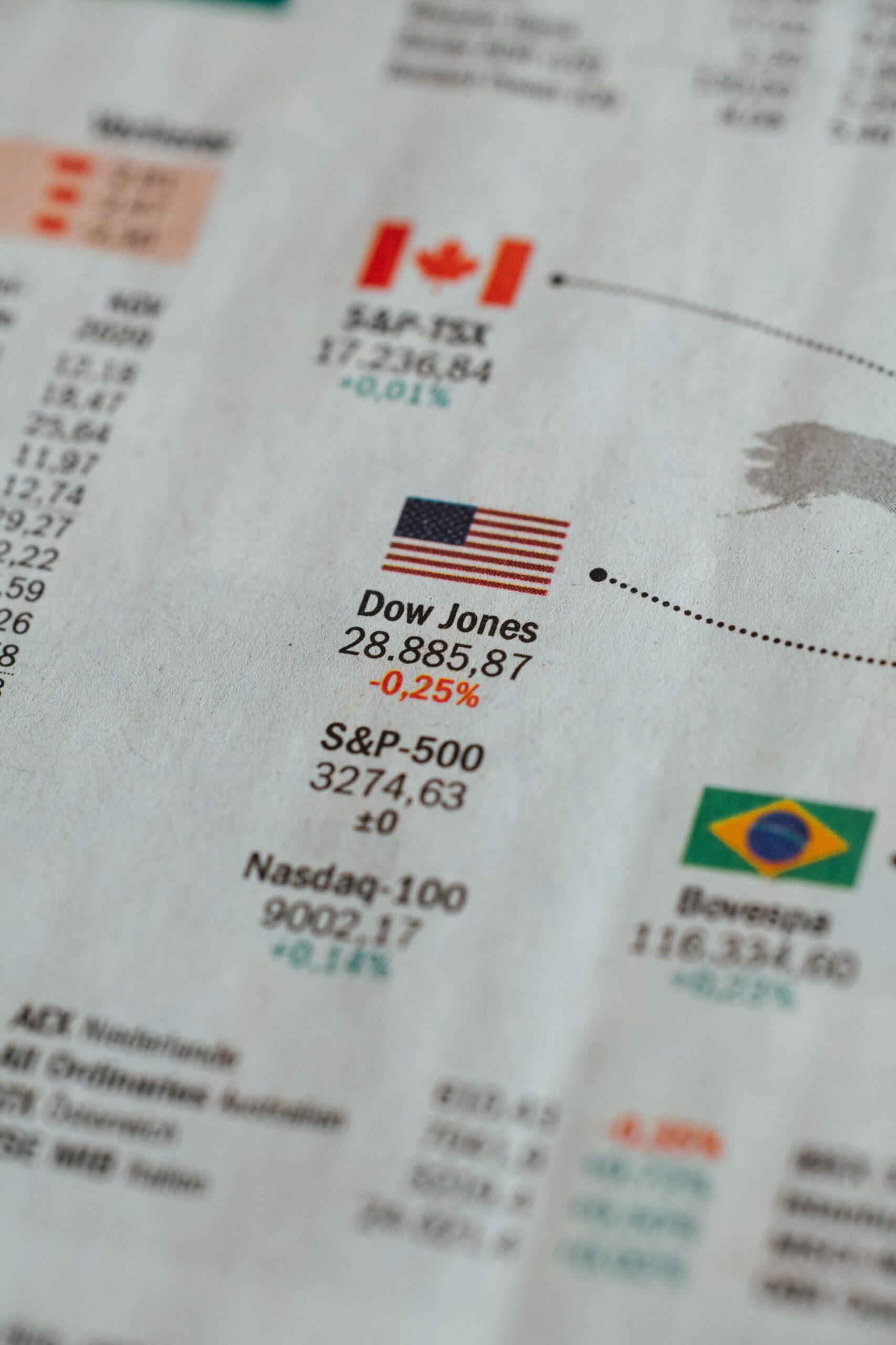
The Dow Jones closed down 0.59% on 21 April 2026, its second consecutive session of losses and the first clear break in a nearly three-week rally that had carried the index through the worst of the Iran-driven risk-off period. The trigger was not geopolitical and not a policy headline — it was a retail sales print so strong it functioned as bad news. March retail sales rose 1.7% month-on-month against a 1.4% consensus, with core sales coming in at 1.9%, numbers that have already begun reshaping the rate-cut curve priced into US markets. The question now is how quickly that repricing exports itself across the Atlantic.
For European investors, the mechanism matters more than the move. When US Treasury yields hold 4.2%–4.3% on stronger-than-expected consumption, European risk assets face imported valuation pressure even without any domestic catalyst. That is precisely the dynamic the ECB has been trying to insulate eurozone markets from since March, and it is getting harder, not easier, to hold that line.
The Rally That Ran on Borrowed Assumptions
The three-week Dow advance was built on four premises: a dovish Fed pivot driven by cooling inflation, Treasury yields retreating from 4.4% toward 4.2%, a temporary easing of Middle East risk, and a stronger-than-expected Q1 earnings run. Three of those four are now actively reversing. The retail sales data has revived the higher-for-longer trade, yields have stabilised in the upper end of the recent range rather than continuing their descent, and oil has refused to surrender the $90 premium despite Trump’s extended Iran ceasefire. Only the earnings story remains intact — and earnings do not set discount rates.
Join The European Business Briefing
New subscribers this quarter are entered into a draw to win a Rolex Submariner. Join 40,000+ founders, investors and executives who read EBM every day.
SubscribeThe market understood this almost immediately. The pullback is not a risk-off panic. It is a rational revaluation, which is why it looks orderly rather than violent.
The European Read
For European portfolio managers, the American paradox — strong consumption undermining equity valuations — is not a distant macro curiosity. It is the defining tension of Q2 allocation decisions. A resilient US consumer keeps Treasury yields elevated, which keeps the dollar bid, which complicates the ECB’s room for manoeuvre on its own cutting cycle. Add WTI holding $90 on the back of the Strait of Hormuz blockade, and the inflation backdrop the ECB needs to cut into simply is not materialising on the timetable markets had assumed a month ago.
The structural risk for European equities is the feedback loop: higher oil prices, stickier inflation, delayed monetary easing, pressured valuations. The Dow’s two-session slide is the cleanest early warning that this loop is tightening, not loosening.
What to Watch Next
Near-term, the Dow is likely to trade range-bound and headline-driven, with individual sessions dictated by Fed commentary, Treasury auctions, and Middle East developments. The key level for European allocators is US 10-year yields at 4.4% — a retest sends equity valuations lower globally, including the European cyclicals that have outperformed on the rotation trade. A break below 4.1% restores the rally thesis.
Until then, the market is stuck in the uncomfortable realisation that the American economy’s strength has become Wall Street’s problem. And Europe’s.
Related Analysis