






























Europe’s trade relationships are entering a more unforgiving phase, where economic decisions and political pressure are colliding with real commercial consequences. “China’s tomato-paste mountain” is grappling with a sudden collapse in exports to Italy, leaving vast inventories unsold and exposing the fragility of global supply chains.
At the same time, European companies face intensifying scrutiny over their continued exposure to Russia, with Leroy Merlin’s rebranded operations reigniting doubts over whether it ever truly exited the market.
Join The European Business Briefing
New subscribers this quarter are entered into a draw to win a Rolex Submariner. Join 40,000+ founders, investors and executives who read EBM every day.
SubscribeThe Exit That Wasn’t
Despite a high-profile announcement in March 2023 that the French DIY giant’s parent company ADEO would transfer its Russian business to local management, deeper investigation reveals that the operation remains active under new legal structures — a move that casts doubt on the sincerity of its withdrawal.
leave-russia.org+2B4Ukraine+2 For the company, this raises uncomfortable questions in the realms of corporate governance, supply-chain ethics and geopolitical risk.
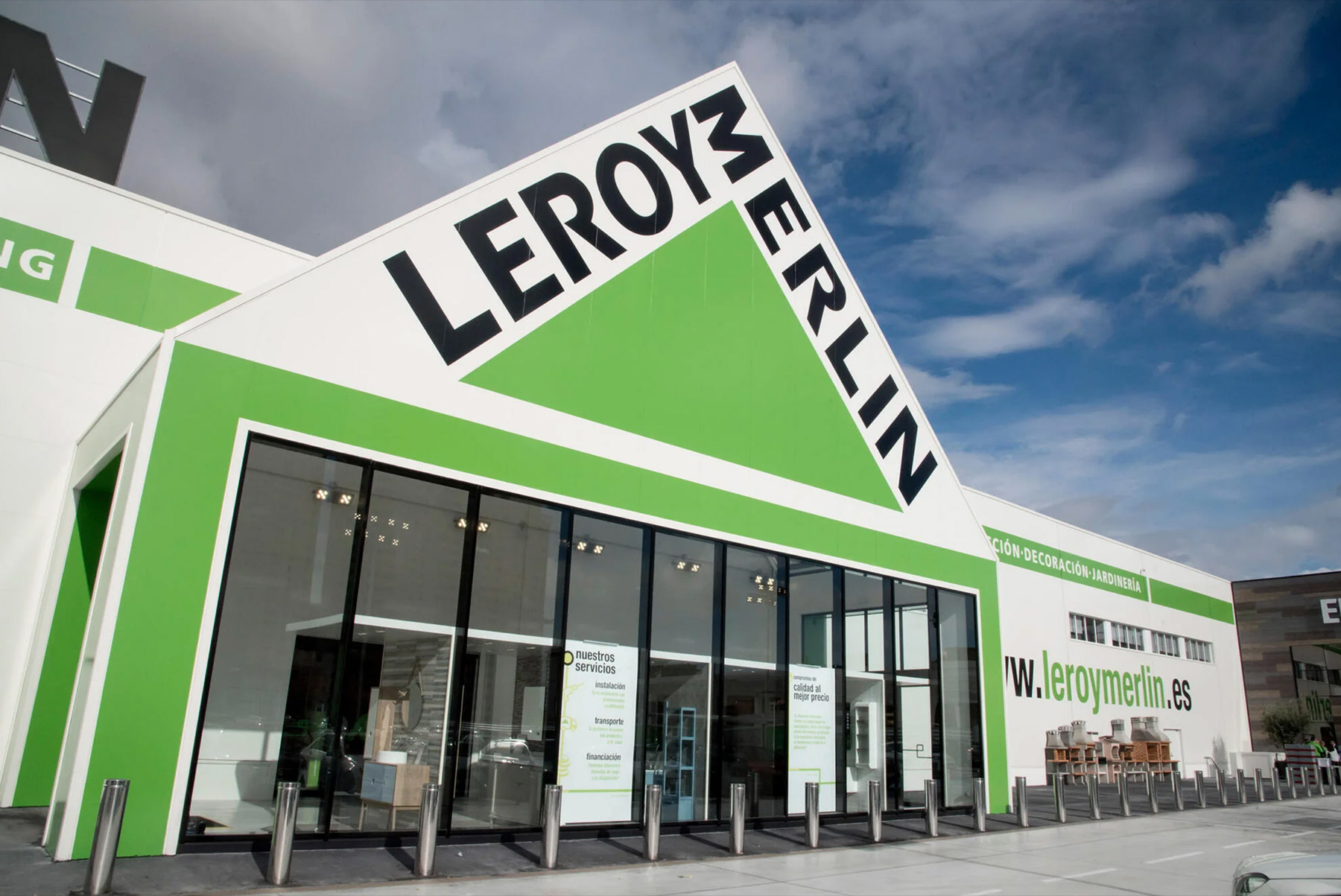
Leroy Merlin first entered the Russian market in 2004 through its subsidiary Leroy Merlin Vostok. Over the years, it built up one of the largest DIY retail networks in Russia — and a substantial share of ADEO’s global returns. Yet its attempt to exit appears more cosmetic than comprehensive.
Brand, Business and Backdoor Continuity
Under the new arrangement, the Russian operation has reportedly been rebranded to “Lemana PRO”, with the legal entity now registered as LE MONLID LLC and controlled by UAE-based Scenari Holding, reflecting a broader reliance on UAE-based holding structures as companies navigate regulatory, capital, and market-access considerations.
The Moscow Times+1 Meanwhile, a large number of stores continue to operate under the Leroy Merlin brand, and financial flows to Russia remain substantial. This appears more like a restructure than a full exit.
Analysts argue this underscores a broader theme: corporate strategy in complex political markets often hinges on reputational management as much as regulatory compliance. For Western companies operating in Russia post-2022, the stakes are especially high.
Implications for European Business
The situation touches on multiple strategic fault lines:
-
Geopolitical risk – With sanctions and public pressure growing, the optics of continuing presence in Russia can damage brand credibility across Europe and beyond.
-
Supply-chain and exit transparency – Stakeholders increasingly expect clear documentation of how and when companies leave high-risk markets. A fuzzy exit raises alarms.
-
Corporate governance – Questions over ownership, control and tax flows tug at investor confidence and public trust.
For ADEO and Leroy Merlin, the Russian conundrum may begin to complicate access to European capital markets and ESG-linked financing initiatives, particularly as Russian sanctions exposure comes under closer scrutiny from institutional investors.
The Road Ahead
If Leroy Merlin truly intends to sever its ties with Russia, it must do more than rebrand. It will need to relinquish ownership, clean up any contractual or financial entanglements and publicly demonstrate compliance with global exit standards. Until then, the case may serve as a cautionary tale in exit strategy and brand risk — especially for firms faced with complex markets where the rules of disengagement are non-linear.