





























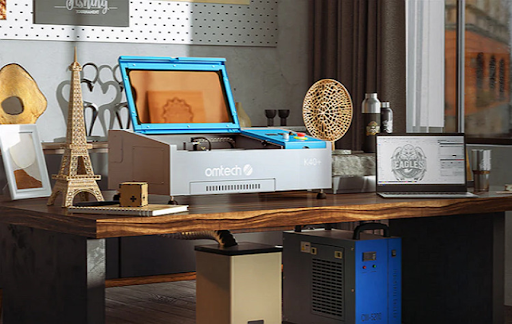
Jewelry design has always been an art of precision, detail, and personal expression. But in recent years, the industry has been undergoing a quiet revolution. At the heart of this transformation is the laser cutter — a high-precision tool that’s opening new creative and commercial doors for designers of all sizes. Whether you’re a boutique jeweler, a DIY enthusiast, or a scaling eCommerce brand, laser technology is reshaping what’s possible in both design and production.
What Is a Laser Cutter and How Does It Work?
A laser cutter is a machine that uses a focused beam of light to cut or engrave materials with high accuracy. For jewelry applications, the most common types are:
Join The European Business Briefing
New subscribers this quarter are entered into a draw to win a Rolex Submariner. Join 40,000+ founders, investors and executives who read EBM every day.
Subscribe- CO2 Lasers: Ideal for engraving and cutting non-metal materials like wood, acrylic, and leather.
- Fiber Lasers: Designed to work with metals such as gold, silver, stainless steel, and titanium.
- Diode Lasers: More affordable and suitable for lighter tasks like engraving on coated metals or plastics.
The laser vaporizes or melts the material along the design path, delivering clean lines and highly intricate details with very little waste.
Key Benefits of Laser Cutters in Jewelry Making
- Unmatched Precision: Laser cutters enable designers to create delicate patterns and fine details that would be nearly impossible by hand or traditional tools.
- Customization at Scale: Whether you’re personalizing rings with initials or engraving dates on pendants, lasers make it easy to produce bespoke items quickly.
- Speed and Efficiency: What once took hours with manual methods can now be done in minutes — ideal for prototyping or fulfilling high-volume orders.
- Reduced Waste: The precision of laser cutting minimizes offcuts and errors, saving both materials and money.
- Consistency: Laser machines can repeat designs with exactness, ensuring every piece matches the last — a huge benefit for batch production.
Popular Applications in Jewelry Design
- Engraving: Logos, text, and ornamental designs on rings, bangles, and pendants.
- Cutting: Creating intricate shapes from thin sheets of metal, acrylic, or wood for earrings, charms, and layered pieces.
- Prototyping: Test a new design with affordable materials like MDF or acrylic before investing in precious metals.
- Mixed Materials: Combine materials such as wood and metal to create contrast-rich, contemporary styles.
Real-World Examples
Consider the case of an Etsy-based jewelry brand that started with hand tools but switched to a desktop CO2 laser cutter. In less than a year, their production time dropped by 60%, and customer reviews raved about the quality and consistency of custom pieces. They now fulfill wholesale orders they previously had to turn down.
According to a 2024 market study, over 30% of small jewelry businesses in North America now use laser engraving or cutting in some capacity — a trend that’s only accelerating as machines become more affordable and user-friendly.
Getting Started: What You Need
- Choose the Right Laser Cutting Machine: A compact fiber laser is best for metal-focused work, while a CO2 laser offers versatility for non-metal materials. Brands like OMTech offer a wide range of affordable, user-friendly laser cutters suitable for jewelry makers, whether you’re just starting or looking to scale.
- Design Software: Programs like LightBurn, Adobe Illustrator, and CorelDRAW are commonly used to create vector files for cutting.
- Workspace and Safety: Ensure proper ventilation, fire safety measures, and follow the manufacturer’s maintenance recommendations.
- Skill Development: Online tutorials, community forums, and YouTube channels can dramatically shorten your learning curve.
Common Challenges and How to Overcome Them
- Material Discoloration or Burn Marks: Use masking tape on materials like acrylic or wood and fine-tune power/speed settings.
- High Upfront Cost: Start with a mid-range machine; many users report ROI within 6-12 months through product sales.
- Software Complexity: Begin with pre-made templates and slowly learn to customize your own designs.
The Future of Laser Cutting in Jewelry
From luxury personalization to sustainable production, laser technology is helping jewelers stay ahead of trends. The ability to offer quick-turn custom orders, experiment with hybrid materials, and even integrate AI-driven design suggestions is paving the way for a new era in jewelry making.
Laser cutting also aligns with eco-conscious values by reducing waste and enabling on-demand production, eliminating the need for mass inventory.
Conclusion
Laser cutters are no longer reserved for industrial factories. With the right setup, even solo makers can harness this technology to elevate their craft, speed up workflows, and bring bold ideas to life. Whether you’re exploring new styles or expanding your business, investing in laser cutting can unlock possibilities that were once out of reach. Now is a great time to start. Explore your options, test your first designs, and see how laser precision can reshape your creative process.