





























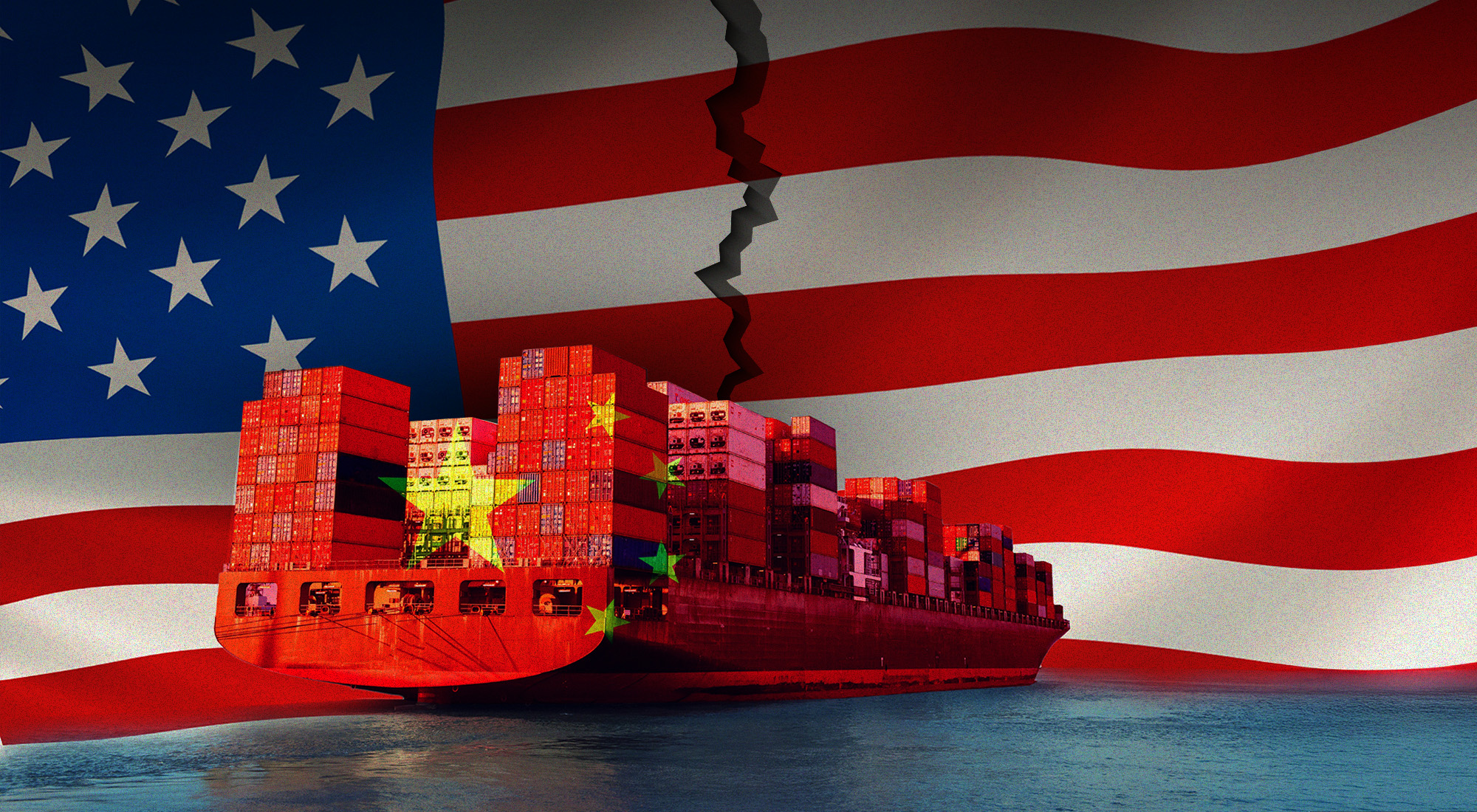
In a bold countermeasure against U.S. maritime policy, China announced that it will impose special port fees on vessels with U.S. affiliations starting October 14, 2025. The move is widely interpreted as part of a broader tit-for-tat escalation between the two powers—one with serious implications for global shipping, trade flows, and geopolitical leverage.
📜 The New Rules
Under the tightened regulations, any ship owned or operated by U.S. firms or individuals, or those with 25% or more U.S. equity, vessels built in the U.S., and U.S.-flagged ships will face a starting charge of ¥400 (about USD 56) per net tonne upon docking in a Chinese port. Reuters+2Investing.com+2 That rate isn’t fixed: it will climb in annual increments, reaching ¥640 in April 2026, ¥880 in April 2027, and ¥1,120 in April 2028. South China Morning Post+2Investing.com+2
To prevent excessive exposure, the rules stipulate that the fee is collected only at the first Chinese port of call in each voyage, and no vessel may be charged more than five times per year. South China Morning Post+1
Join The European Business Briefing
New subscribers this quarter are entered into a draw to win a Rolex Submariner. Join 40,000+ founders, investors and executives who read EBM every day.
SubscribeChina frames this as a direct response to recent U.S. policy, where Beijing-linked vessels will soon face analogous surcharges in American ports. Quantum Commodity Intelligence+3Reuters+3South China Morning Post+3
🌍 Why It Matters
This isn’t a symbolic gesture. Trade routes and logistics chains rest on razor-thin margins, and added fees—even if moderate—can provoke rerouting, increased costs, and realignments in trade flows. Already, analysts warn that the costs could reach into the hundreds of millions, particularly for large carriers operating transpacific lines. Investing.com+3Reuters+3Reuters+3
Critics argue China’s action is retaliatory and steeped in economic nationalism. Beijing lambasts the U.S. approach as “discriminatory,” infringing on global trade norms and destabilising maritime cooperation frameworks. Quantum Commodity Intelligence+3Reuters+3South China Morning Post+3
🛳 Impact on Shipping, Strategy & Supply Chains
Many global shipping lines rely on Chinese-built vessels, meaning U.S. charges already being introduced could shift fleet strategies, registration flags, or port rotations. Reuters+2Reuters+2 For example, U.S. carriers with Chinese-built ships may move them to non-U.S. routes or reflag them to circumvent the higher levies. Reuters+1 Meanwhile, Chinese ports may become less attractive stops for U.S. operators, nudging them toward Singapore, South Korea, or Southeast Asian ports.
For supply chains, these fees could indirectly raise shipping costs, which ultimately filter down to manufacturers, exporters, and consumers. Over time, certain routes or commodities might shift away from China entirely. sourcingjournal.com+1
🧭 Geopolitical Overtones & Timing
This port fee escalation comes as the U.S. and China gear up for a high-stakes summit later this month at APEC in South Korea, where Presidents Trump and Xi are expected to meet. Reuters+2Reuters+2 The timing suggests China wants to enter talks from a firmer position, signaling it is prepared to retaliate more aggressively on trade fronts.
The move also follows China’s expansion of export controls on critical technologies, further indicating Beijing’s readiness to use economic levers in a wider strategic counter-offensive. South China Morning Post+2Reuters+2
🔮 Outlook: Will Escalation Spiral?
In the short term, shipping companies will assess exposure, reroute vessels, and possibly engage in legal or arbitration challenges. Over the medium term, maritime alignment may shift: new port agreements, alliances, or private-sector hedges may emerge.
If either side doubles down with fresh tariffs, quotas, or non-tariff barriers, we might see the maritime domain becoming a critical battlefield in U.S.–China rivalry — with ripple effects across Asia, Europe, and Africa.
For now, all eyes will be on next week, when the first round of fees hits, and on how the global shipping community responds.