






























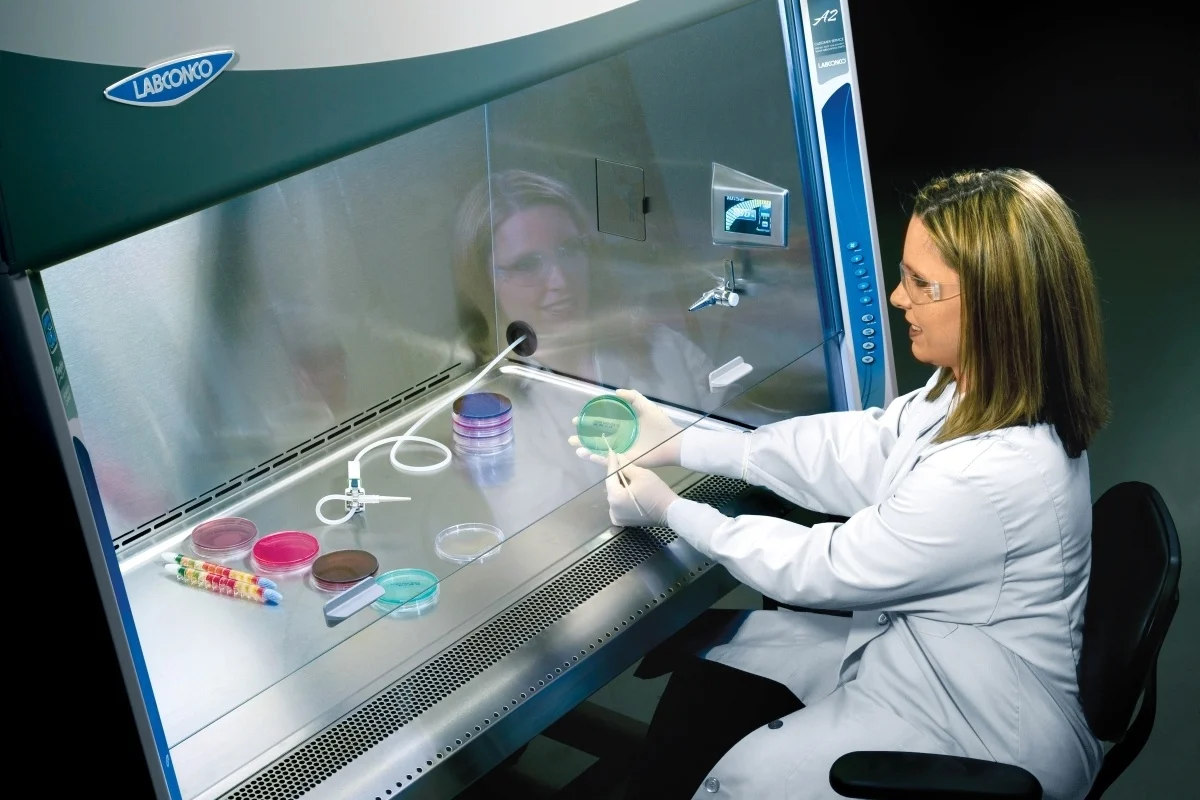
A bio safety cabinet (BSC) is a critical piece of laboratory equipment designed to protect laboratory workers, the environment, and sensitive samples from exposure to harmful biological agents. In modern research and medical laboratories, biosafety cabinets play a vital role in maintaining sterile conditions while handling infectious materials, chemicals, and hazardous microorganisms. These cabinets use advanced airflow systems and high efficiency particulate air (HEPA) filters to create a controlled and clean workspace. As laboratories continue to expand their research into biotechnology, pharmaceuticals, microbiology, and healthcare diagnostics, the demand for reliable biosafety cabinets is increasing rapidly. Understanding how a bio safety cabinet works, its types, benefits, and applications can help laboratories choose the right equipment for safe and efficient operations.
What Is a Bio Safety Cabinet?
A bio safety cabinet is a ventilated enclosure that provides a safe environment for laboratory personnel when working with potentially infectious or hazardous biological materials. Unlike a standard fume hood, which primarily protects users from chemical vapors, a biosafety cabinet is specifically designed to control airborne contaminants and prevent cross contamination. It uses a combination of inward airflow, downward laminar airflow, and HEPA filtration to capture and remove harmful particles before they can escape into the laboratory environment. This ensures that both the operator and the surrounding environment remain protected. Additionally, bio safety cabinets help maintain sample integrity by creating sterile working conditions, which is essential for experiments that require high levels of precision and cleanliness.
How Does a Bio Safety Cabinet Work?
The working principle of a bio safety cabinet is based on controlled airflow and filtration. Air is drawn into the cabinet through the front opening, creating an inward flow that prevents contaminants from escaping. This air then passes through HEPA filters that remove up to 99.97% of particles as small as 0.3 microns, including bacteria, viruses, and spores. Inside the cabinet, a smooth and uniform downward airflow protects samples from contamination by airborne particles. Finally, the filtered air is either exhausted back into the laboratory or released outside, depending on the cabinet type. This sophisticated airflow system ensures maximum safety, reduces the risk of laboratory acquired infections, and maintains a sterile working environment for sensitive procedures.
Join The European Business Briefing
New subscribers this quarter are entered into a draw to win a Rolex Submariner. Join 40,000+ founders, investors and executives who read EBM every day.
SubscribeTypes of Bio Safety Cabinets
There are three main classes of bio safety cabinets, each designed for different levels of biological risk and laboratory requirements. Class I cabinets provide basic protection for laboratory personnel and the environment but do not protect the sample, making them suitable for low risk procedures. Class II cabinets are the most commonly used and offer complete protection for personnel, samples, and the environment. They are widely used in clinical, pharmaceutical, and research laboratories. Class III cabinets, also known as glove boxes, provide the highest level of containment and are used when handling extremely dangerous pathogens. These cabinets are completely sealed and operated using built in gloves, ensuring zero exposure to harmful materials. Selecting the right class is crucial for ensuring laboratory safety and regulatory compliance.
Key Benefits of Using a Bio Safety Cabinet
The primary benefit of a bio safety cabinet is enhanced safety. By preventing the release of hazardous biological agents into the laboratory, these cabinets significantly reduce the risk of infection and contamination. They also protect valuable samples from external pollutants, ensuring accurate and reliable experimental results. Another major advantage is compliance with international safety standards and laboratory regulations, which is essential for research institutions, hospitals, and pharmaceutical companies. Additionally, modern biosafety cabinets are designed with ergonomic features, such as adjustable work surfaces, low noise levels, and energy efficient motors, making them comfortable and cost effective for long term use. These benefits make biosafety cabinets an indispensable tool in any professional laboratory environment.
Applications of Bio Safety Cabinets in Laboratories
Bio safety cabinets are widely used across various industries and research fields. In medical and clinical laboratories, they are essential for handling blood samples, tissue cultures, and infectious agents safely. In pharmaceutical manufacturing, biosafety cabinets support the development and testing of drugs by providing sterile conditions for formulation and quality control. Academic and research institutions rely on these cabinets for microbiology, molecular biology, and genetic engineering experiments. Additionally, environmental testing laboratories use biosafety cabinets to analyze contaminated samples without risking exposure. This broad range of applications highlights the importance of biosafety cabinets in maintaining safety, accuracy, and reliability in scientific work.
Maintenance and Proper Use of Bio Safety Cabinets
To ensure optimal performance, bio safety cabinets require regular maintenance and proper handling. Routine inspection of airflow patterns, HEPA filter integrity, and mechanical components is necessary to maintain consistent protection. Filters should be replaced according to manufacturer guidelines, and annual certification by trained professionals is highly recommended. Proper cleaning and disinfection of interior surfaces help prevent contamination buildup and maintain sterile conditions. Operators should also receive thorough training to understand correct working techniques, including proper placement of materials, minimizing airflow disruptions, and avoiding overcrowding inside the cabinet. Following these best practices extends the lifespan of the equipment and ensures continuous safety in laboratory operations.
Conclusion
A bio safety cabinet is a cornerstone of laboratory safety, providing essential protection for personnel, samples, and the environment. With its advanced airflow systems, high efficiency filtration, and versatile applications, it plays a vital role in modern scientific research and healthcare. Choosing the right type of biosafety cabinet, maintaining it properly, and using it correctly can significantly reduce risks while improving experimental accuracy. As laboratories continue to advance in complexity and scope, the importance of reliable biosafety cabinets will only grow. Investing in high quality biosafety equipment is not just a regulatory requirement but a commitment to safety, precision, and scientific excellence.