




























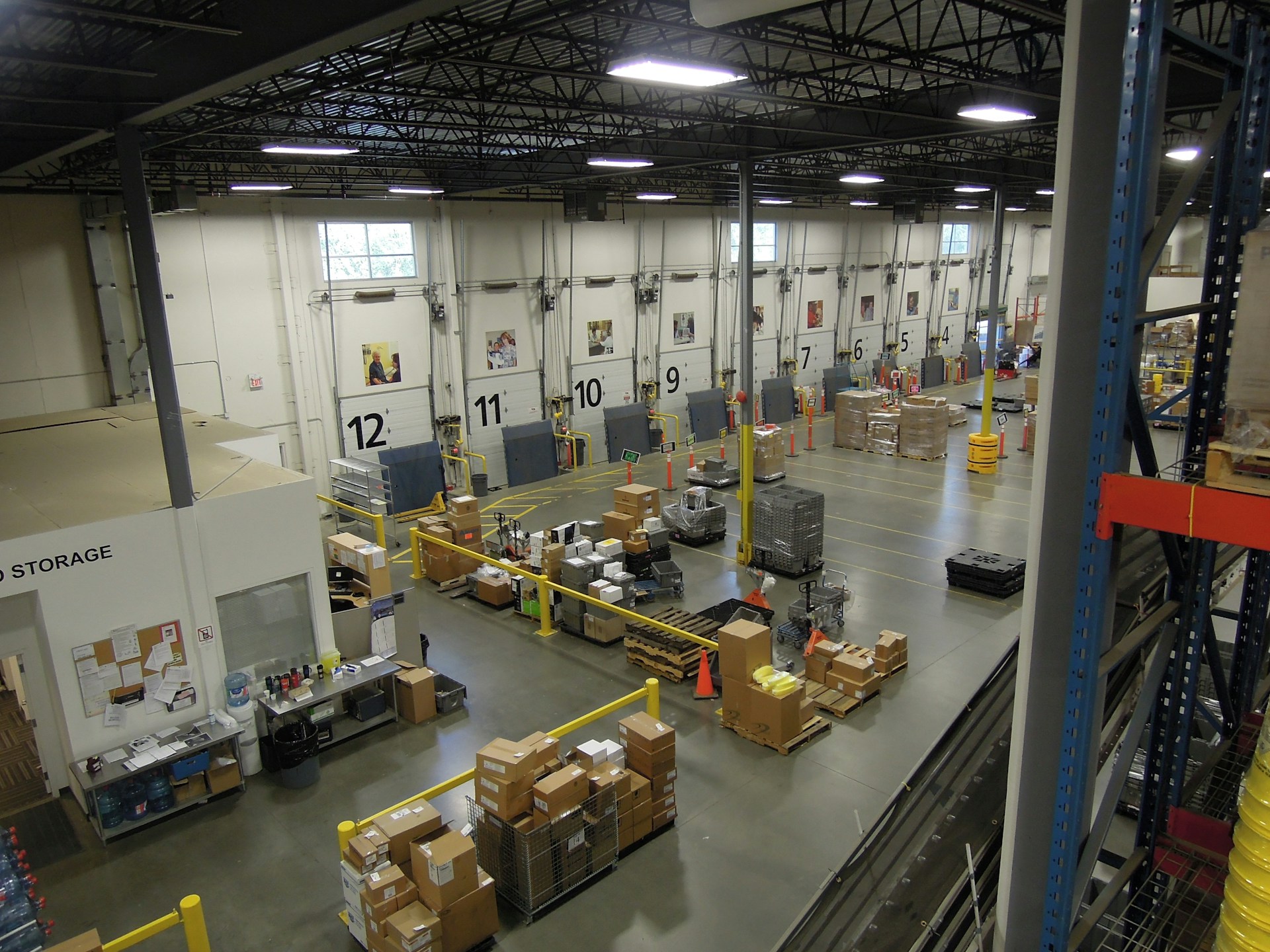
Warehousing is more than just stacking boxes. It’s a living, breathing system that supports the entire supply chain. When warehouse operations run smoothly, businesses save time, reduce waste, and boost customer satisfaction. But when inefficiencies take root—whether due to poor layout, outdated equipment, or substandard materials—costs escalate and productivity tanks.
One of the most overlooked components of efficient warehousing is the quality of the materials used. From heavy-duty shelving to floor coatings and barriers, choosing premium materials isn’t just a matter of preference—it’s a strategic investment.
The Cost of Cutting Corners
Join The European Business Briefing
New subscribers this quarter are entered into a draw to win a Rolex Submariner. Join 40,000+ founders, investors and executives who read EBM every day.
SubscribeIt’s tempting to go for the cheaper option when outfitting a warehouse. After all, operational costs are already high, and budgets are tight. But initial savings can quickly turn into long-term expenses. Inferior materials wear out faster, fail under pressure, and often need frequent replacement. This results in downtime, labor inefficiencies, and increased repair or replacement costs.
Low-quality pallet racks, for instance, may bend or collapse under weight, compromising worker safety. Flimsy dock boards can’t handle high-capacity forklifts, leading to equipment damage and injuries. Over time, the cumulative effect of these failures can far exceed the initial cost savings.
Durability Equals Reliability
Premium warehouse materials are built for endurance. Heavy-gauge steel, industrial-grade polymers, and high-performance coatings stand up to daily abuse. These materials resist rust, corrosion, cracking, and warping—even in demanding environments.
When you use durable materials, your warehouse equipment holds up longer, even under stress. That means fewer breakdowns, less maintenance, and a more predictable workflow. This reliability lets managers focus on productivity rather than troubleshooting problems.
It’s a simple truth: when materials last longer, operations run better.
Safety Gets a Major Upgrade
Quality materials contribute directly to a safer work environment. Think reinforced safety barriers, anti-slip surfaces, and heavy-duty guardrails. These elements don’t just reduce accidents—they prevent them entirely.
According to OSHA, workplace injuries cost U.S. businesses over $1 billion a week in direct costs. Many of these incidents happen in warehouses due to equipment failure, poor infrastructure, or improper safety measures. Using high-quality materials significantly reduces the risk.
Premium storage racks with load-bearing certification, properly coated floors that resist oil and water, and impact-resistant wall guards all make a difference. They’re not bells and whistles—they’re safeguards against real-world risks.
Boosting Operational Efficiency
Every delay in a warehouse costs money. Whether it’s a forklift stuck on a cracked floor or workers navigating around unstable shelving, inefficiencies ripple through the entire operation.
High-quality materials minimize those slowdowns. Reinforced floors support heavy machinery without degrading. Precision-engineered storage systems reduce retrieval time. Smartly designed loading docks handle repeated cycles without showing wear.
When operations move faster and smoother, businesses can handle higher volumes without adding staff or square footage. That’s a win for any bottom line.
The Role of Smart Design and Material Integration
Modern warehousing isn’t just about individual components—it’s about how those components work together. Integrating high-quality materials into a smart design plan amplifies their impact.
For instance, pairing reinforced shelving with automated retrieval systems or installing energy-efficient LED lighting with high-reflectivity ceiling panels maximizes both safety and efficiency. And companies like Iron Bull Manufacturing specialize in solutions designed to protect, store, and streamline warehouse functions.
By selecting well-engineered materials that are designed to complement one another, businesses reduce friction in day-to-day operations and extend the lifecycle of their infrastructure.
Sustainability and Long-Term Value
Today’s warehouses must also meet growing demands for sustainability. Investing in long-lasting materials reduces waste. Fewer replacements mean fewer raw materials consumed and less debris in landfills.
Plus, many premium materials now meet LEED or similar certifications. For example, industrial coatings with low VOC emissions improve indoor air quality, while recycled steel in racking systems reduces environmental impact.
Companies like Amazon and Walmart have already shifted to greener warehousing strategies, citing not just environmental benefits but cost advantages as well.
The Bottom Line: Invest Once, Benefit for Years
Yes, premium materials come at a higher upfront cost. But when you factor in their durability, safety benefits, efficiency improvements, and sustainability, the return on investment is undeniable.
A smarter warehouse isn’t necessarily the most high-tech or the most expansive. Often, it’s the one that’s built to last—because it was built with intention. And that intention starts with material choices.
If you’re planning to upgrade your warehouse, consider what you’re really paying for. You’re not just buying equipment—you’re buying peace of mind, operational stability, and long-term savings.