




























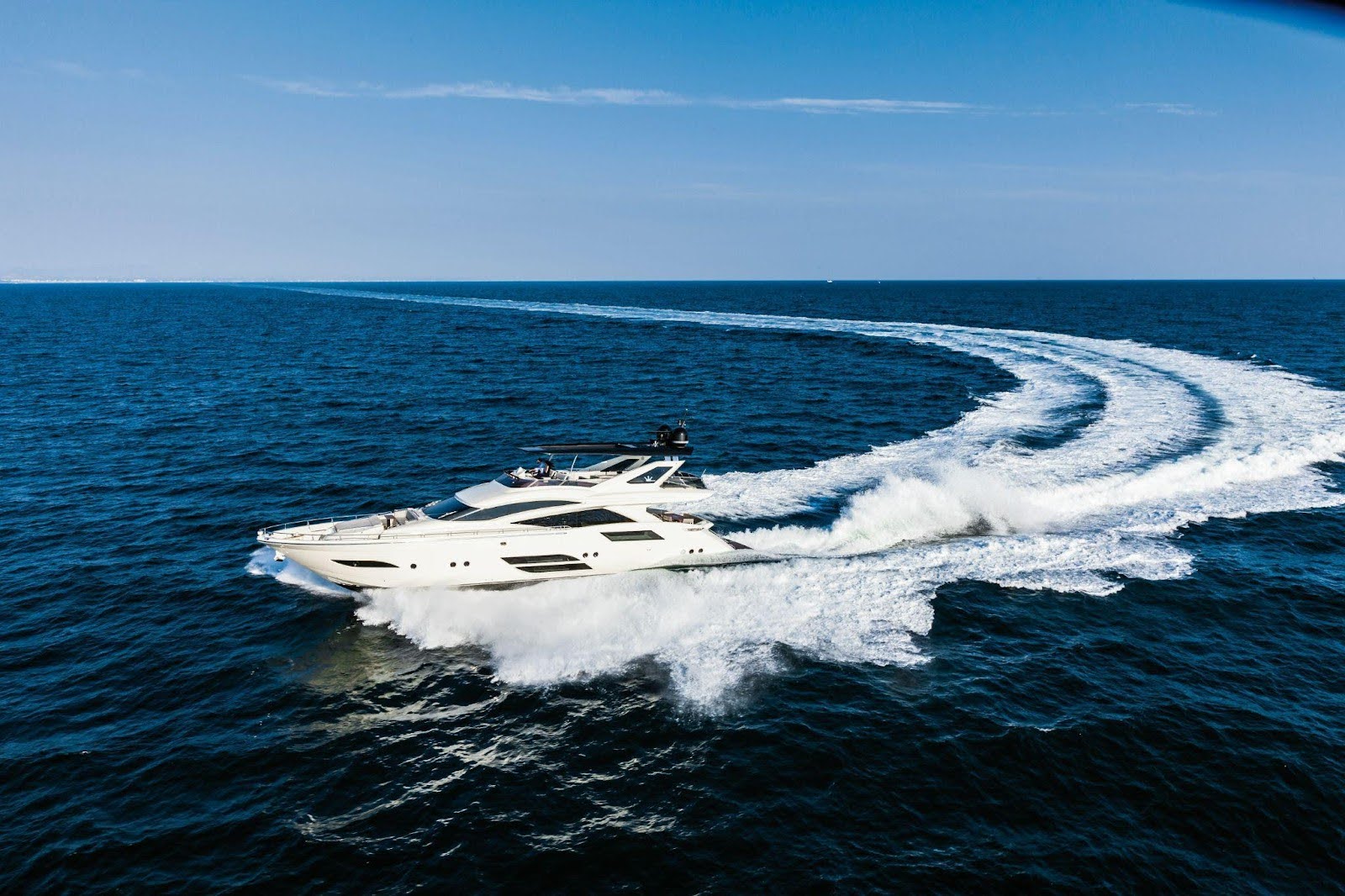
Travel by yacht is often framed as luxury or escape, yet this view barely touches its deeper nature. Water travel reshapes how movement is understood. Roads disappear, borders soften, and progress becomes less direct. A boat does not rush through space; it negotiates with it. This creates a rare form of travel where the journey matters more than arrival, and where attention replaces urgency as the main guide.
The floating middle ground
Most travel stories focus on destinations, but life on a boat exists in between places. This floating middle ground is where habits from land slowly dissolve. Locations such as crick marina act as gateways rather than goals. Lines are untied, and the familiar sense of direction begins to loosen. On water, there is no fixed path, only choices shaped by wind and time.
Join The European Business Briefing
New subscribers this quarter are entered into a draw to win a Rolex Submariner. Join 40,000+ founders, investors and executives who read EBM every day.
SubscribeIn this space, distance feels different. Ten miles can feel long or short depending on the weather and light. Without traffic signs or rigid schedules, awareness shifts inward. Meals follow hunger, not clocks. Sleep follows darkness, not routine. This gentle uncertainty encourages patience and adaptability, qualities rarely practiced in daily life on land.
Water as a living archive
Water carries stories without displaying them openly. Harbors remember trade and conflict, while open seas hold quieter histories of passage and loss. Unlike roads, water does not preserve marks. It erases and renews itself constantly. This teaches a subtle lesson about movement without ownership. Passing through does not mean leaving a trace.
Yacht travel invites listening rather than conquering. Swells adjust posture. Tides influence timing. The environment leads, and the boat responds. This relationship creates respect instead of control. Travel becomes cooperation, not domination, which changes how progress is defined.
Temporary societies at sea
One of the least expected aspects of boating is its brief but strong social fabric. Anchorages and marinas form temporary communities bound by shared needs. Conversations begin easily because the purpose is clear. Help moves faster than formality. Experience matters more than background.
- Weather replaces small talk
- Tools become a shared language
- Assistance is offered before it is requested
These interactions fade quickly, yet they leave strong impressions. They show how simple structures can support trust when conditions demand cooperation.
How boats shape behavior
A boat is not just transport; it is an environment that shapes conduct. Limited space encourages order and care. Movement becomes deliberate. Every object has a purpose. Windows frame the outside world like slow scenes, turning birds, waves, and clouds into daily events.
Unlike buildings, boats respond immediately to their surroundings. They lean, rise, and adjust. This constant feedback reminds those aboard that balance is active, not fixed. Stability is maintained through awareness rather than resistance.
Lessons from the dark
Night at sea removes visual comfort. Edges fade, and senses sharpen. Sound travels farther, stars regain importance, and small lights carry meaning. Navigation becomes an act of trust between charts, instruments, and calm judgment. Fear often gives way to focus.
Night passages rarely offer drama, yet they teach clarity. They show that confidence grows from preparation, not speed. The water does not reward haste, only attention.
Access over ownership
Modern services like GetBoat reflect a shift in how people approach boating. Access is replacing possession. More travelers seek moments on water rather than long-term ownership. This change suggests that the true value of yachts lies in experience, not control.
Conclusion
Yachts and boats offer a different way of understanding travel. They slow thought, soften boundaries, and replace urgency with presence. Water journeys challenge fixed ideas of progress and success. In a world focused on arrival, the boat quietly argues for awareness. The most meaningful distance covered may be internal, shaped by water, movement, and the space in between.