





























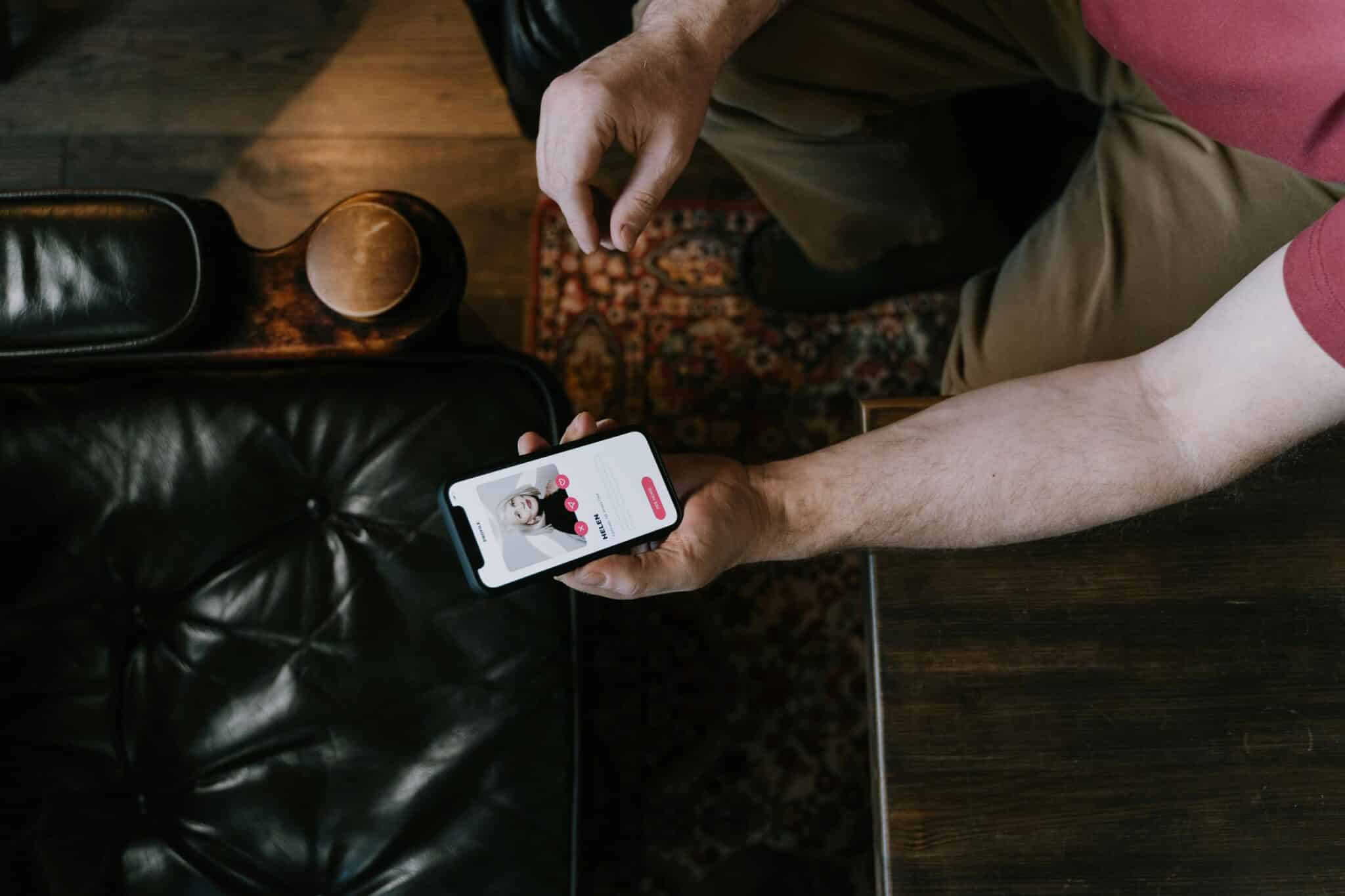
Match Group’s market value sits at $7.53 billion as of April 2025, down 82% from its 2021 peak of $46.58 billion. Bumble has lost 92% of its market value over the past four years and recently laid off about a third of its staff. In the UK, 1.4 million people left dating apps between 2023 and 2024.
The numbers point to a broader pattern. Users are leaving the major apps, and the question worth asking is what is pushing them out and where they are going instead.
Engagement-Driven Algorithm Design
Join The European Business Briefing
New subscribers this quarter are entered into a draw to win a Rolex Submariner. Join 40,000+ founders, investors and executives who read EBM every day.
SubscribeHinge’s discovery algorithm, like those of Tinder and Bumble, ranks profiles by predicted engagement. Predicted compatibility influences the ranking far less than the engagement signal does. Profiles that provoke the most clicks rise faster, since clicks are what the system can measure.
That distinction matters in practice. A profile that drives long-term partnerships looks different from a profile that drives a thumb tap, and the system tracks the second one as the primary success signal. The first is treated as an externality the platform has no reliable way to detect.
The training data tells the same story. Engagement labels are dense and arrive within minutes of a swipe. Outcome labels arrive months later, if they arrive at all, and few users keep using a dating app long enough to flag the resulting partnership inside the platform that produced it. The system optimizes for the labels it actually receives.
Match.com’s 2025 Singles in America survey found 53% of singles reported dating burnout. A 2024 Forbes study showed more than three quarters of dating app users reported swipe fatigue, and across all age groups, 88% of men and 90% of women said they often or sometimes felt disappointed by people they met through apps.
The Monetization Pressure
The structural problem reaches deeper than algorithm tuning. Features that started as core functions are gradually moved behind paywalls. Seeing who liked you, sending more than a fixed number of messages, boosting visibility, and surfacing in the daily feed are now subscription tiers rather than baseline features.
The result is a system where the user pays for outcomes the platform once delivered for free. Customer reviews across major dating apps show a consistent pattern of difficulty cancelling subscriptions, frequent encounters with bots and inactive profiles, and reluctance to pay for what users feel should already be standard.
The pricing structure also rewards intermittent use. Boosts last 30 minutes. Premium tiers auto-renew on monthly cycles. Free users see fewer matches each week, which keeps them swiping into upgrade prompts. The architecture of paid features assumes a user who keeps reopening the app rather than a user who completes the goal and uninstalls it.
84% of Gen Z and Millennial daters report being ghosted, and two-thirds admit to ghosting others. The norms of online dating have hardened around behavior the system rewards: low-stakes engagement, repeatable swipe patterns, and no closure.
Specialized Categories Across Modern Dating Platforms
The dating market has split into specialized platforms aimed at narrower preferences. There are video-only apps, slow-dating services, hobby-based meetups, and niche options that include sugar baby websites, faith-based platforms, and community-driven spaces on Reddit and Discord.
The smaller user base on each specialized platform reduces the swipe-fatigue effect that plagues mainstream services. Conversations also tend to start more directly, since users self-select into a tighter audience before opening any chat.
Migration Patterns Out of the Major Apps
in-person events are growing. Bumble, Hinge, and Tinder have launched in-person experiences and social events to retain Gen Z users who report being burned out on swiping. CNBC reported in March 2025 that the apps are positioning themselves as event organizers because that is where part of the audience has moved.
A Bumble and Gymshark study found 22% of Gen Z and Millennials would prefer a date at the gym to one at a pub, and active first dates are 25% more likely to lead to a second date.
Reddit and Discord have absorbed a portion of the audience. Reddit’s engagement among Gen Z grew 14% across 2024 and 2025, driven by demand for niche communities and topic-specific spaces. Match-making is now a side function of communities built around hobbies, music, gaming, books, and fitness.
Hinge dropped 131,000 UK users between May 2023 and May 2024. Bumble lost 368,000 in the same window, and Tinder lost 594,000. The combined loss across those three platforms in the UK alone was over a million users in twelve months.
Recent App Responses
The major apps have responded with AI features. Hinge introduced photo-selection prompts driven by machine learning, designed to surface the photos that perform best. Bumble launched a video feature for screening before meeting. Tinder is testing AI-generated icebreakers based on profile content.
The pattern remains largely the same. More automation gets applied to the same fundamental problem. Users complain about something deeper than weak photos or shallow icebreakers. The platforms optimize for engagement, which is often the opposite of what most users are there to do.
Hinge’s CEO Justin McLeod has framed the company’s mission as being “designed to be deleted.” The company’s revenue model, however, depends on users not deleting the app. The tension between stated mission and operating incentive remains the same one users have been articulating in app reviews for years.
Practical Implications for Dating in 2025
Anyone trying to meet someone in 2025 has more options than the major apps suggest. Specialized platforms with smaller user bases produce different selection patterns. Dating app alternatives now include activity-based meetups, which produce dates with higher second-date conversion. Reddit and Discord communities supply matches as a side effect of shared interest, with no swiping involved.
Some categories require effort the apps removed. Showing up to a class, a club, or a hobby meetup, then waiting weeks for the right introduction, takes more time than scrolling through a feed. The trade-off is a population already filtered by the activity, the schedule, and the willingness to leave the house.
The major apps still hold the largest user bases, and they will continue working for some people. The question is which platform makes the most sense to start with anymore, given how many users have already decided that the answer is no.
A Final Look at the Trend
The 1.4 million UK users who walked away in one year represent the leading edge of Gen Z meeting in person rather than online, a shift the industry still struggles to address. The companies continue optimizing for engagement, while users increasingly select platforms based on more specific criteria, including interest, format, audience size, and monetization model.
The apps that adjust to that selection pattern will likely retain their audience. The ones that continue tuning the same engagement-driven system may continue losing it.