































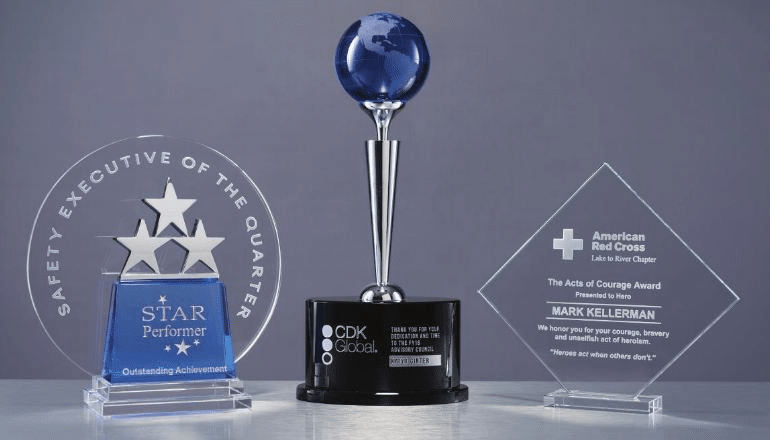
Corporate recognition is an important way for businesses to celebrate achievements, appreciate employees, and strengthen professional relationships. Whether an organization is honoring outstanding performance, recognizing years of service, or celebrating a successful project, a thoughtfully designed award can make the occasion more meaningful. Customization allows companies to create awards that reflect their values, highlight individual accomplishments, and leave recipients with lasting memories.
From choosing suitable materials to adding personalized messages and company logos, several details influence the final appearance of an award. Plaques and trophies can be customized in many ways to suit different occasions, budgets, and corporate identities.
This practical guide explains how businesses can personalize corporate awards and recognition plaques to create professional, memorable gifts that employees and business partners will appreciate.
Join The European Business Briefing
New subscribers this quarter are entered into a draw to win a Rolex Submariner. Join 40,000+ founders, investors and executives who read EBM every day.
Subscribe1. Define the Purpose of the Award
Before selecting a design, determine what the award will celebrate. The purpose of recognition helps guide decisions about the material, shape, wording, and overall presentation.
For example, an employee of the year award may require an elegant design that reflects exceptional performance. A long-service award might emphasize loyalty and dedication, while a teamwork trophy could celebrate collaboration and shared success.
Common corporate recognition categories include:
- Employee of the Year
- Outstanding Leadership
- Excellence in Customer Service
- Innovation and Creativity
- Years of Service
- Teamwork and Collaboration
- Sales Achievement
- Retirement Recognition
Defining the award’s purpose ensures that the design communicates the right message. It also helps companies maintain consistency across different award categories while allowing each recipient’s achievement to stand out.
2. Choose the Right Material
Material selection plays a major role in the appearance, durability, and cost of a customized award. Different materials offer distinct advantages, so businesses should consider their recognition goals and available budget.
Crystal: Crystal awards provide an elegant, premium appearance and are suitable for executive recognition, major milestones, and prestigious corporate ceremonies.
Glass: Glass offers a classic and professional style. It works well for employee appreciation, service anniversaries, and achievement plaques.
Acrylic: Acrylic is lightweight and versatile, making it useful for modern designs, colorful graphics, and large recognition programs.
Wood: Wooden plaques create a traditional appearance and are particularly suitable for retirement gifts and long-service awards.
Metal: Metal awards offer a distinctive finish and can be appropriate for achievement trophies, commemorative pieces, and formal recognition.
When comparing materials, consider quality, weight, engraving options, maintenance requirements, and shipping arrangements. The best choice is one that suits the occasion and provides a professional finish without unnecessary expense.
3. Personalize the Award With Names and Details
Personalization is one of the most effective ways to make corporate awards meaningful. Including the recipient’s name and specific achievement demonstrates that the organization has taken time to recognize the individual.
Most customized awards can include several details, such as:
- Recipient’s full name
- Award title or recognition category
- Company name and logo
- Date of presentation
- Achievement description
- Short appreciation message
For example, a service award might include the employee’s name, the number of years served, and a message thanking them for their dedication.
Keep the layout organized and avoid including too much information. A clear heading, recipient name, and concise message often create a stronger impression than a crowded design.
Before approving production, verify every name, date, job title, and company detail. Correct information is essential to maintaining a professional standard.
4. Write a Meaningful Engraving Message
The wording on an award can make it more memorable than its physical design alone. A thoughtful inscription explains why the recipient deserves recognition and gives the award personal significance.
For an outstanding employee, a company might use the message:
Presented in recognition of your exceptional dedication, outstanding performance, and valuable contributions to our success.
For a long-service award, the wording could be:
With sincere appreciation for your years of loyalty, commitment, and dedicated service.
A teamwork award might feature:
Celebrating your collaboration, positive attitude, and commitment to achieving shared goals.
When writing an inscription, focus on the achievement being celebrated. Use professional language, keep sentences concise, and choose wording that reflects the company’s culture.
If the award has limited engraving space, prioritize the recipient’s name, award title, and a short message that communicates genuine appreciation.
5. Incorporate Company Branding
Corporate awards can reinforce brand identity by incorporating recognizable visual elements. A company logo, brand colors, or a subtle graphic can make an award feel connected to the organization presenting it.
For example, a technology company might choose a modern geometric trophy, while a traditional professional services firm may prefer a classic glass plaque with understated branding.
The branding should complement the award rather than overwhelm it. Ensure the logo remains clear and readable, especially when the design includes engraving or printing on a small surface.
Consistency is also useful when ordering awards for different departments. Using similar typography, colors, and layout styles creates a coordinated appearance while allowing each award to reflect its specific purpose.
6. Select an Appropriate Shape and Design
The shape of a trophy or plaque influences its overall style. Traditional rectangles and vertical designs offer a formal appearance, while stars, circles, diamonds, and geometric shapes can create a more contemporary look.
Choose a design that matches the occasion and the message being communicated. An executive leadership award may benefit from a refined crystal tower, whereas an innovation award could use a distinctive modern shape.
Consider practical details as well. The award should have a stable base if it is intended to stand on a desk, and the inscription should remain easy to read.
For wall-mounted plaques, check the mounting system and available display space. For tabletop designs, consider the recipient’s office or home environment.
7. Balance Quality and Budget
Customization does not have to be expensive to be effective. Businesses can create attractive awards by selecting suitable materials, keeping the design simple, and focusing on meaningful personalization.
Start by determining how many awards are required and establishing a realistic cost per item. Request quotations that include engraving, packaging, shipping, and any additional customization charges.
For large employee recognition programs, companies might choose acrylic or glass for routine awards and reserve premium crystal or metal designs for major achievements.
Ask suppliers about minimum order quantities, production times, replacement policies, and opportunities to review samples. Comparing several options helps organizations balance quality, appearance, and affordability.
Ordering early is especially important for large events because personalized awards may require additional production time.
8. Review Proofs and Arrange Safe Delivery
Before production begins, request a digital proof or sample when available. Carefully review the wording, font size, logo placement, alignment, and overall layout.
A small spelling error can undermine an otherwise excellent award, so assign someone to check the final details before approval.
Packaging and delivery also deserve attention. Crystal and glass products may require protective inserts and sturdy boxes, while plaques with delicate finishes should be secured against scratches.
If awards are being delivered to multiple offices, label each package clearly and maintain a list matching recipients with their awards. This helps prevent mix-ups before the presentation ceremony.
9. Present the Awards Thoughtfully
The presentation is the final step in creating a memorable recognition experience. Rather than simply distributing awards, explain why each recipient is being honored.
A manager can share a brief example of the employee’s contribution before presenting the trophy or plaque. This makes the recognition more personal and helps colleagues understand the achievement.
Companies can present awards during annual ceremonies, team meetings, employee appreciation events, or milestone celebrations. Even a small presentation can be meaningful when the appreciation is sincere.
Encouraging recipients to display their awards also helps preserve the memory of their accomplishments.
Conclusion
Customizing corporate trophies and recognition plaques involves thoughtful decisions about materials, design, personalization, wording, branding, and presentation. By focusing on the recipient’s achievement and selecting a suitable style, businesses can create awards that communicate genuine appreciation.
Plaques remain a versatile option because they can feature personalized inscriptions, company logos, and important milestone details in a professional format. Whether choosing crystal, glass, acrylic, wood, or metal, quality craftsmanship and accurate personalization make a meaningful difference.
Ultimately, the best corporate award is one that celebrates a real accomplishment and reminds the recipient that their dedication and contributions are valued.






