































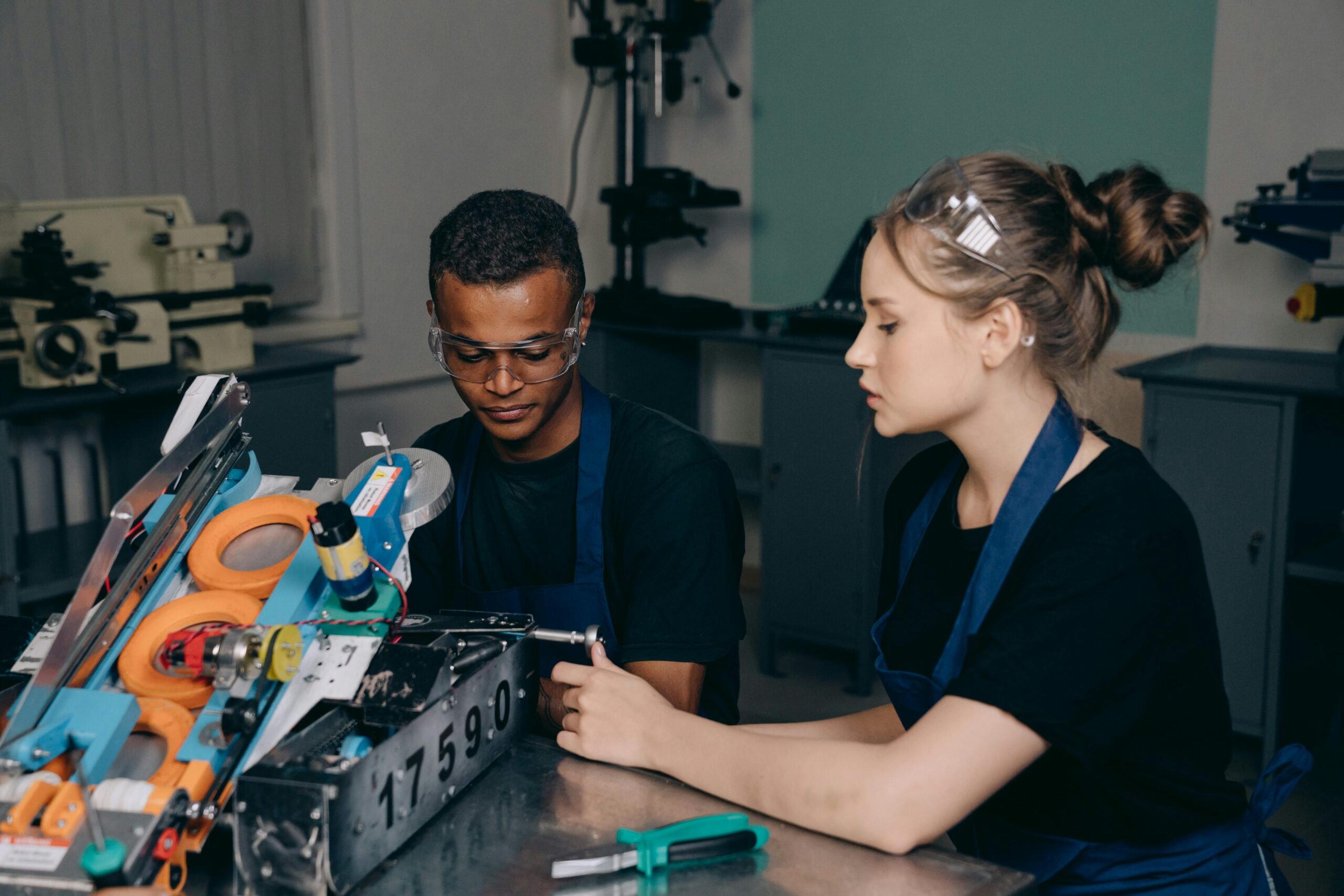
Training used to mean losing an entire day of work. You’d sit in a cold cabin or a windowless room for eight hours, trying to stay awake through a long PowerPoint presentation. By the time you got back to the site, you’d forgotten half of what you were supposed to learn. This old-fashioned approach doesn’t work for modern rail or construction projects where time is expensive and safety is everything.
Micro-training is different. It breaks complex technical skills into small, manageable pieces that take minutes instead of hours to finish. Workers can access these modules on their phones during a break or before they start their shift. It’s a practical way to keep everyone’s certifications up to date without stopping work for a whole day. Read ahead to see why these bite-sized lessons are changing the way technical staff learn on the job.
Short Lessons for Fast-Paced Industries
In high-stakes sectors like rail, things change quickly. New safety rules or technical updates can arrive at any time, and businesses have to react immediately to stay compliant. Traditional training methods are often too slow to keep up with this pace of change. It’s much easier to push out a five-minute video or a short quiz than it is to organise a full day of classroom learning for fifty people.
Join The European Business Briefing
New subscribers this quarter are entered into a draw to win a Rolex Submariner. Join 40,000+ founders, investors and executives who read EBM every day.
SubscribeBite-sized modules also help with information overload. Most people struggle to remember a long list of safety checks after a one-off lecture. If you give them three small modules over three days, they’re much more likely to remember the details.
For companies looking to modernise their approach to learning, Morson Nexus offers a flexible way to manage professional development across large teams. It allows managers to track progress without dragging workers away from their projects for long periods.
Better Knowledge Retention on the Front Line
One of the biggest problems with technical education is the gap between learning and doing. If a worker learns a new skill in January but doesn’t use it until June, they’ll likely make mistakes. Micro-training allows for just-in-time learning. A technician can watch a quick refresher module on a specific piece of equipment right before they start working on it.
This method also makes it easier to focus on specific problems. Instead of sitting through a broad course on electrical safety, a worker can go straight to the module they need for the task at hand. This targeted approach saves time and keeps people focused on what actually matters. It’s a much more efficient way to build a highly skilled workforce in industries where mistakes have serious consequences.
Why Hands-on Workers Prefer e-Learning Modules
Most people in construction and rail didn’t choose their careers because they wanted to sit at a desk. They’re practical workers who learn best by doing. Traditional classroom environments can feel boring and disconnected from the reality of the site. Digital micro-learning feels more like a tool they can use instead of a chore they have to finish.
These modules often include interactive elements like short videos, diagrams, or quizzes. These features help to keep the user engaged and ensure they’re actually absorbing the information. Because the modules are short, workers don’t feel like their time is being wasted. They can tick off a requirement, feel a sense of progress, and get back to their actual job.
There are several reasons why technical sectors are moving towards this model:
- It reduces the cost of training by removing the need for travel and venue hire.
- Compliance levels stay higher because modules are easier to complete.
- Workers can learn at their own pace instead of being held back by a group.
- Updates to safety regulations can be rolled out to everyone instantly.
- It fits into a busy work schedule without causing project delays.
The Big Picture
The shift towards micro-training is a natural response to the demands of modern industry. Companies can’t afford to have their best people sitting in classrooms for days on end, especially when that information is forgotten a week later. By embracing smaller, more frequent learning sessions, businesses can ensure their teams remain safe and skilled.
As technology continues to change the way we build and maintain infrastructure, our training methods must keep up. Micro-learning is now a practical solution for a workforce that’s always on the move. It puts the power of education into the hands of the workers, making technical skills more accessible and easier to master than ever before.






