






























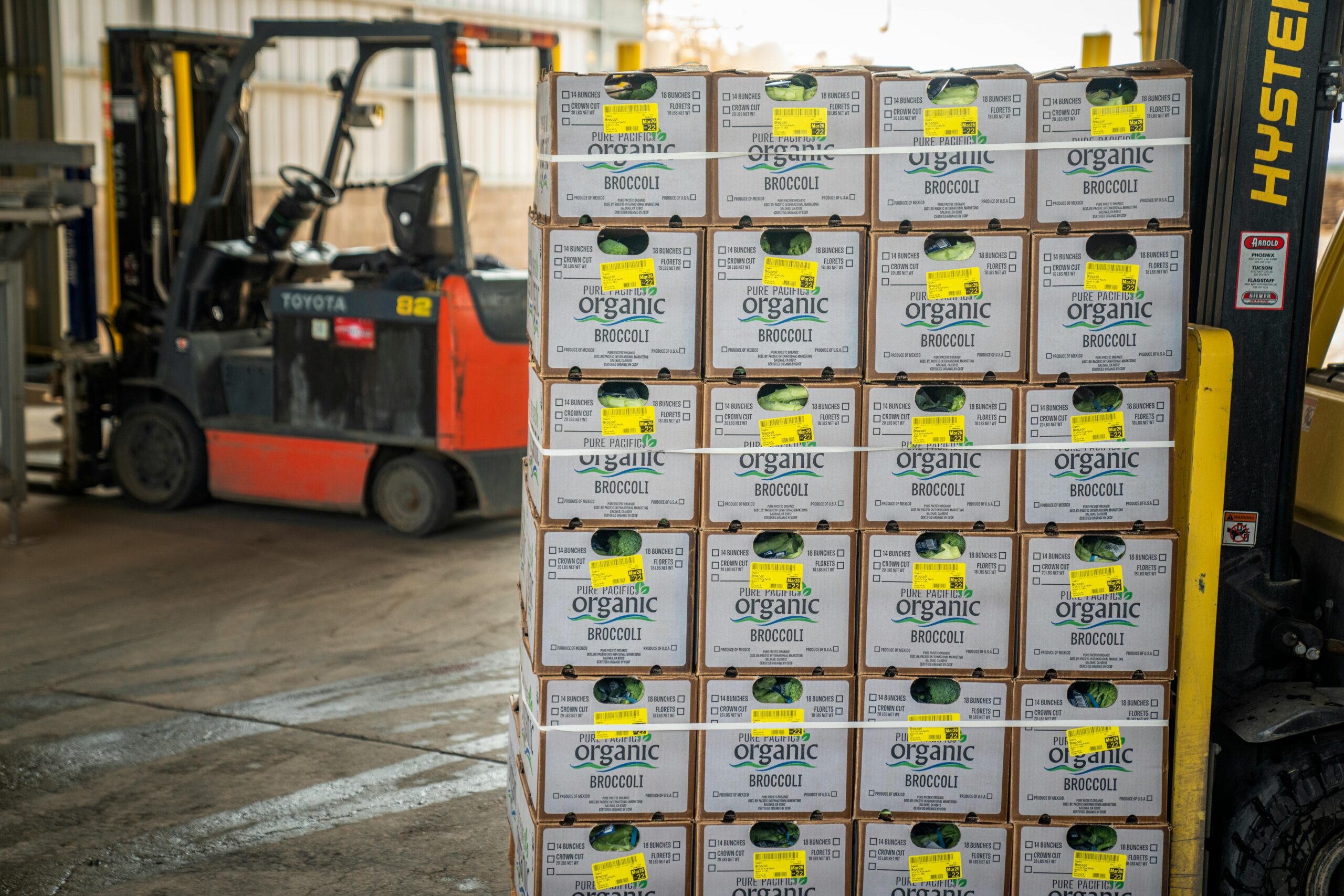
Clean operations are becoming a critical factor in boosting global competitiveness for food and pharmaceutical exporters. As international markets enforce stricter safety, hygiene, and compliance standards, businesses are investing heavily in advanced sanitation, quality control, and traceability systems. These improvements not only reduce risks but also enhance product reliability and brand trust across borders.
Governments and regulatory bodies are also supporting clean practices to strengthen export potential and meet global benchmarks. As a result, companies adopting cleaner operations are gaining easier market access and higher demand.
In this article, we examine how clean operations are helping drive growth in food and pharma exports.
Join The European Business Briefing
New subscribers this quarter are entered into a draw to win a Rolex Submariner. Join 40,000+ founders, investors and executives who read EBM every day.
SubscribeWhy Hygiene Standards Have Become a Growth Driver
Hygiene standards have become a major growth driver as global markets demand stricter safety and quality compliance. Stricter global regulations and heightened consumer awareness have made cleanliness a key differentiator in international markets. Countries increasingly demand verified safety protocols, pushing exporters to adopt advanced sanitation, traceability, and quality assurance systems.
Rising hygiene expectations are fueling rapid growth in compliance services. Grand View Research reports that the global testing, inspection, and certification market reached $417,764.6 million in 2025. It is projected to climb to $555,923.9 million by 2033. This growth reflects increasing demand for verified cleanliness and quality assurance.
The Link Between Operational Cleanliness and Export Readiness
Operational cleanliness is directly tied to export readiness in the food and pharmaceutical sectors. Countries enforce strict import regulations that require documented sanitation practices, contamination control, and consistent quality standards. Facilities that maintain clean environments are better positioned to pass audits, secure certifications, and meet international compliance benchmarks.
Consumer trust directly influences export readiness and market acceptance. The 2025 International Food Information Council survey reflects public confidence regarding the safety of the US food supply. Around 55% of Americans reported being very or somewhat confident. This highlights growing scrutiny around hygiene and safety practices.
Exporters must strengthen cleanliness standards to build confidence and meet global expectations.
How Specialist Sanitation Partners Support Compliance Goals
Specialist sanitation partners help exporters meet strict food and pharma compliance goals. By providing advanced cleaning and meticulous documentation, these experts ensure consistent hygiene standards. This industry-specific knowledge significantly reduces contamination risks while improving overall operational reliability across global supply chains.
For regulated industries, FDA contract sanitation services align facilities with strict global cleaning and documentation standards. These professional programs ensure repeatable processes and accurate records, bolstering audit readiness. By minimizing contamination risks, they provide the essential validation required for seamless international trade.
Fayette Industrial emphasizes tailored cleaning services for food processing facilities. These services use advanced sanitation practices and eco-friendly agents to maintain consistent cleanliness. Specialized protocols target pathogen prevention, allergen control, and cross-contamination. Each method is scientifically backed to meet strict industry hygiene standards.
Why Buyers Reward Reliable and Low-Risk Suppliers
Buyers are increasingly favoring reliable, low-risk suppliers in the food and pharmaceutical sectors where safety is critical. International partners prioritize consistent quality, strong hygiene controls, and proper documentation. These factors reduce risks, enable smoother trade processes, and support long-term, trustworthy business relationships.
Beyond reliability, sustainability has become a significant financial lever. PwC reports that consumers are willing to pay 9.7% more for sustainably sourced goods, despite inflationary pressures. This shift ensures that low-risk exporters who prioritize clean, ethical operations can secure higher margins and greater buyer loyalty in a competitive global market.
Technology Is Improving Clean Operations at Scale
Technology is turning hygiene into a data-driven function rather than a manual task. IoT sensors, autonomous sanitization robots, and AI monitoring systems enhance precision. These tools help facilities maintain export-grade cleanliness consistently at large operational scales.
These digital tools provide instant, continuous insight into a facility’s atmospheric and sanitary status. They instantly flag deviations before product integrity is affected. For exporters, this digital oversight assures global buyers that safety is managed with precision.
Technology is enhancing clean operations as companies invest in smarter systems. Mordor Intelligence reports that nearly 48% of capital spending by major food manufacturers in 2025 targeted automation upgrades. This shift enables data-driven monitoring, reduces contamination risks, and strengthens compliance with global standards.
Clean Operations as a Long-Term Competitive Advantage
Clean operations have evolved from a compliance requirement into a long-term competitive advantage for food and pharmaceutical exporters. Companies maintaining high hygiene standards build stronger reputations, secure repeat business, and reduce risks of recalls or regulatory penalties.
Over time, these practices build operational resilience, enabling businesses to quickly adapt to evolving global regulations and shifting market expectations.
Clean facilities also improve audit outcomes and strengthen trust with international buyers, who prioritize reliability and safety. As competition intensifies, exporters with embedded cleanliness systems are better positioned to secure premium contracts and sustain steady growth in global markets.
Frequently Asked Questions
What training do employees need to maintain hygienic operations?
Employees need training in sanitation protocols, proper equipment handling, and contamination prevention to maintain hygienic operations. They should also understand regulatory compliance requirements and documentation practices. Ongoing refresher programs help reinforce standards and ensure consistent adherence to hygiene and safety procedures.
What common mistakes lead to hygiene failures in production sites?
Common mistakes that lead to hygiene failures in production sites include poor staff training, inconsistent sanitation routines, and inadequate documentation. These gaps often result in contamination risks and compliance issues. Weak monitoring systems also allow small lapses to escalate into major safety violations.
What certifications can strengthen an exporter’s credibility in global markets?
Certifications like ISO 22000, HACCP, and GMP can significantly strengthen an exporter’s credibility in global markets. They demonstrate adherence to internationally recognized safety and quality standards. These certifications help build buyer trust, ease compliance, and improve access to regulated trade environments.
Clean Operations as the Foundation of Export Growth
Clean operations have become a defining factor in the success of food and pharmaceutical exports. Strong hygiene systems improve compliance, reduce risks, and enhance buyer confidence across global markets. As regulations tighten, companies that prioritize cleanliness gain faster approvals and fewer trade disruptions.
Technology, certifications, and specialist partners further strengthen operational standards. Ultimately, clean operations are not just about safety; they are a strategic driver of growth, competitiveness, and long-term success in the global export landscape.