



























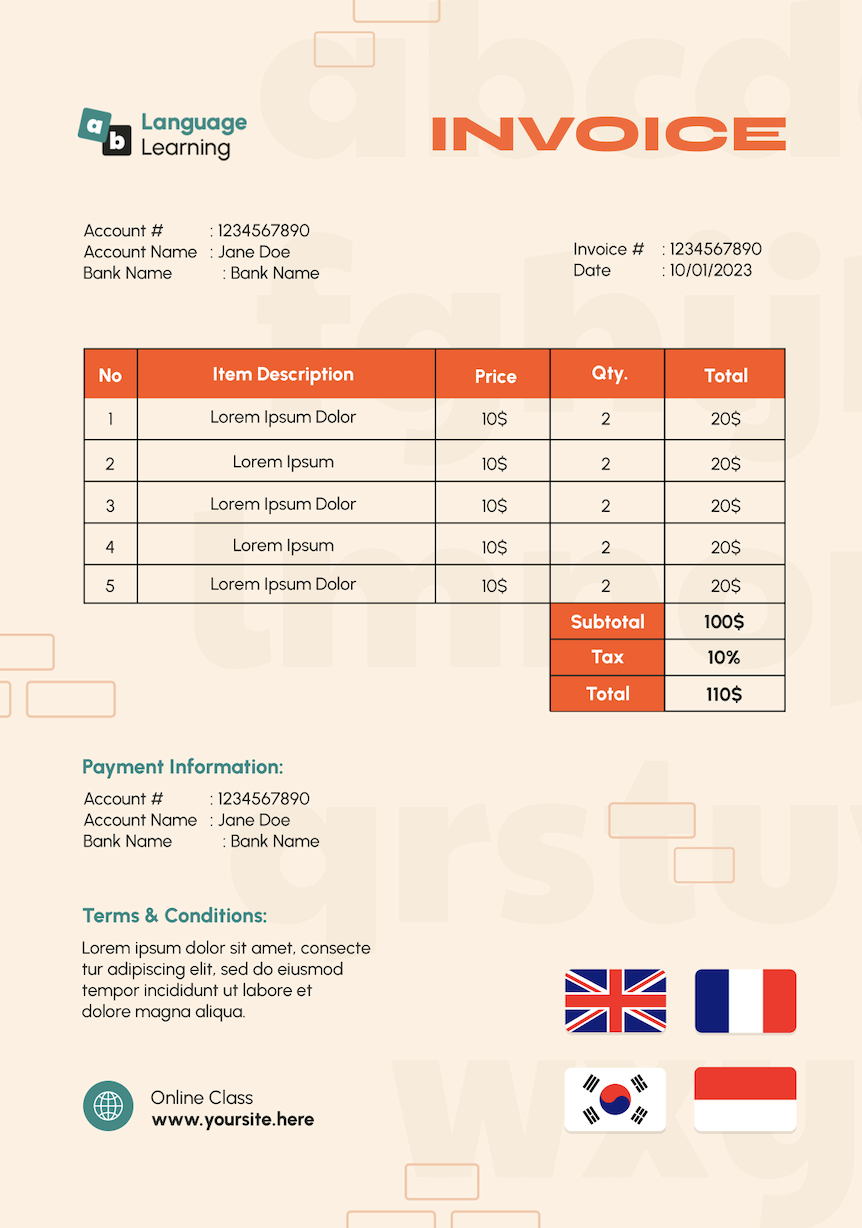
France is taking a major step toward digital transformation with the nationwide rollout of electronic invoicing. The transition, known as e-invoicing, represents a turning point in how French businesses handle tax, accounting, and B2B transactions. While the change may sound technical, it’s actually designed to simplify life for companies, cutting costs, improving transparency, and modernizing financial workflows.
The country’s move toward e-invoicing is part of a broader European initiative to create smarter, more efficient economies. France is not just digitizing invoices, it’s redesigning how business communication, tax compliance, and financial data flow between companies and the government.
In this article, we’ll break down France’s e-invoicing journey, why it’s happening, what it means for businesses, and how companies can prepare for a smooth transition.
Join The European Business Briefing
New subscribers this quarter are entered into a draw to win a Rolex Submariner. Join 40,000+ founders, investors and executives who read EBM every day.
Subscribe1. The Background: Why France Is Switching to E-Invoicing
France’s shift to e-invoicing didn’t happen overnight. It stems from a long-term digital strategy aligned with the European Union’s directive to modernize VAT (Value Added Tax) collection and reduce fraud. The French government recognized that paper-based or PDF invoices were slowing down processes, prone to errors, and costly to manage.
According to government studies, the use of electronic invoices can save businesses up to 70% in processing costs compared to traditional invoices. Moreover, e-invoicing helps the state close its VAT gap, the difference between expected and collected VAT revenue by ensuring every transaction is traceable and verified in real-time.
France first introduced mandatory electronic invoicing in 2020 for B2G (business-to-government) transactions through the Chorus Pro platform. After its success, the government decided to expand the system to B2B transactions, aiming for full adoption across all companies in the coming years.
2. What Exactly Is E-Invoicing?
At its core, electronic invoicing is the digital exchange of invoice data between businesses in a structured, standardized format. Unlike PDFs or scanned documents, e-invoices are created, transmitted, and processed automatically using compatible systems.
This means:
- No more manual data entry
- No printing or mailing
- Instant delivery and acknowledgment
- Automatic validation of tax data
E-invoicing ensures that every invoice contains the right details, complies with tax rules, and reaches the right party. For tax authorities, it provides real-time visibility into transactions, making compliance simpler and reducing opportunities for fraud.
3. The French Model: How It Works
The French e-invoicing model is built on three main components:
The Public Invoicing Portal (PPF)
This is the central platform managed by the French government, which acts as a secure hub for receiving and transmitting invoice data. It connects businesses with tax authorities while ensuring confidentiality and compliance.
Partner Dematerialization Platforms (PDPs)
These are certified private platforms that companies can use to issue, receive, and process e-invoices. They interact directly with the PPF and ensure that data formats meet French and European standards.
Dematerialization Operators (ODs)
These are service providers that help businesses integrate e-invoicing into their existing systems. They’re not certified like PDPs but can still facilitate the exchange of invoices through a PDP or the public platform.
This hybrid model gives businesses flexibility. They can either work directly with the government’s platform or choose a trusted private provider for more tailored solutions.
4. Key Deadlines and Implementation Phases
The French government planned a phased approach to e-invoicing to give businesses time to adapt:
- 2024 (Initial Phase): Pilot testing and voluntary adoption among selected companies.
- 2025 (Medium Enterprises): Mandatory adoption for medium-sized companies.
- 2026 (All Businesses): Full implementation across all French businesses.
Although the exact dates have been adjusted to ensure smoother deployment, the goal remains the same; achieve 100% digital invoicing by 2026.
The gradual rollout allows companies to test systems, train staff, and align their accounting workflows before compliance becomes mandatory.
5. Benefits for Businesses
The benefits of e invoicing france extend far beyond regulatory compliance. For many companies, it’s an opportunity to digitize and optimize their entire financial process.
Cost Reduction
Processing a paper invoice can cost up to €10, while an electronic one costs less than €1. Multiply that by thousands of invoices per year, and the savings are clear.
Faster Payments
Automated invoice validation and delivery mean invoices reach clients instantly, reducing payment delays and improving cash flow management.
Reduced Errors
Manual data entry errors are almost eliminated since invoice information is validated electronically before submission.
Environmental Sustainability
E-invoicing eliminates paper usage, printing, and physical storage, aligning with France’s sustainability goals.
Enhanced Transparency
Every invoice is traceable, with real-time updates on delivery, acceptance, and payment. This transparency builds trust and simplifies audits.
6. Challenges of Implementation
While the transition to e-invoicing offers many benefits, it also brings challenges, especially for small and medium-sized enterprises (SMEs) that may lack digital infrastructure.
Technical Integration
Businesses must ensure that their accounting and ERP systems can generate, read, and exchange structured invoice formats such as UBL or Factur-X.
Training and Adaptation
Staff need to understand new processes, manage data flow, and adapt to new software tools.
Data Security
Although the French system is designed with strong security standards, companies must still safeguard their systems against data breaches or unauthorized access.
Cost of Transition
For some, initial setup costs, including software updates, training, and integration, can seem like a burden. However, the long-term operational savings typically outweigh the initial expenses.
7. The Role of Technology Partners
The shift to e-invoicing opens new opportunities for technology providers. Companies offering digital invoicing, accounting software, or compliance automation tools are stepping up to help businesses manage this change efficiently.
Providers like SNI Technology play a key role in simplifying integration. They deliver platforms that ensure compliance with French and EU regulations while automating processes end-to-end. For global companies operating in multiple countries, using a unified e-invoicing solution helps maintain consistency across regions.
These technology partners also assist with:
- Data mapping between legacy systems and new e-invoicing standards
- Automated VAT reporting
- Secure data exchange with the French government portal
8. How E-Invoicing Connects to E-Waybill Regulations in France
While the primary focus of the 2026 reform is e-invoicing, it’s important to understand how this interacts with France’s digital logistics framework, including e-waybill (electronic transport document) requirements.
Conclusion: A Smarter Future for French Businesses
France’s shift to e-invoicing is not just a regulatory requirement, it’s a strategic opportunity. It brings automation, compliance, and sustainability together, offering long-term value for both businesses and the government.
Companies that act early will not only ensure compliance but also gain a significant operational advantage. The process might seem technical, but the outcome is clear: fewer errors, faster payments, and better visibility into financial performance.
As France leads the way toward a paperless economy, one thing is certain; e-invoicing is here to stay, and it’s transforming the way businesses think about efficiency, transparency, and growth.