




























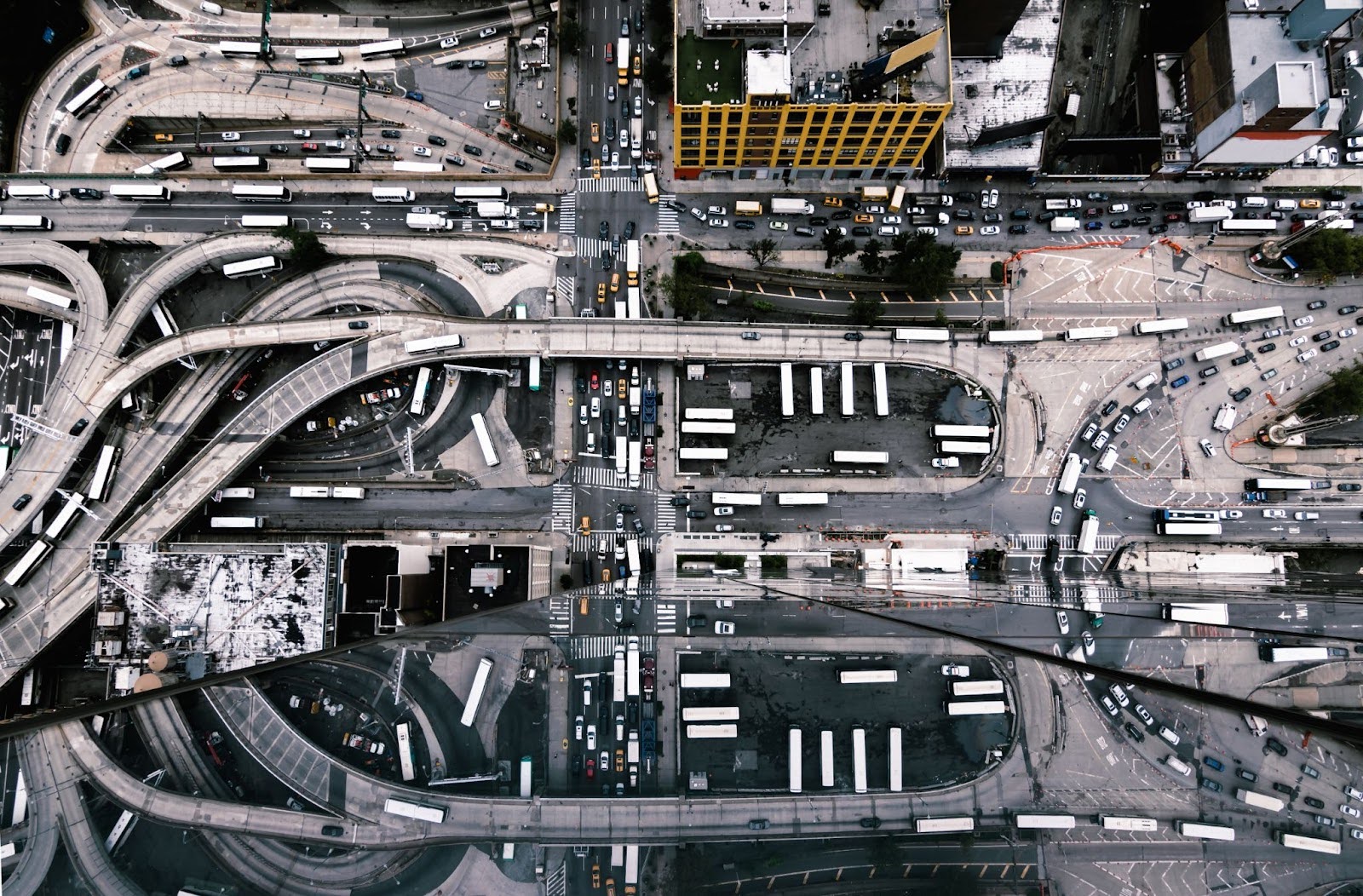
Urbanization is spreading around the planet by leaps and bounds, making the problem of environmental protection a headliner of all the discussions. Balancing this topical issue is impossible with progressive tools and techniques that can provide conservationists and urban planners with a smart solution. Higher-resolution satellite images are one of these tools, offering an up-to-date view of streets, parks, rooftops, and transportation networks. With this information, the infrastructure can be redesigned to preserve valuable green spaces. Moreover, planners can archive high-resolution satellite images and satellite tasking, automatically map vegetation, assess energy-saving benefits of trees, and spot areas lacking shade. And future generations will thank us for this healthier and more sustainable approach.
The Role of Satellite Imagery in Urban Development
Everything vital for cooling and oxygen supply is under threat, namely, parks, lawns, and forests. Therefore, humanity can’t just erase this invaluable green cover. Scientists and activists, in collaboration with constructors, utilize high-resolution satellite imagery to pinpoint areas of shrinking vegetation, track street trees, and plan construction sites, all while keeping ecological needs in mind.
When combined with LiDAR-based Digital Terrain Models, data received from space reveal slopes, flood-prone corridors, and soil retention capacity, all of which are critical for safe and resilient growth. Actually, there are many more technologies used. GIS tools combined with artificial intelligence and machine-learning algorithms can automate the process to receive:
Join The European Business Briefing
New subscribers this quarter are entered into a draw to win a Rolex Submariner. Join 40,000+ founders, investors and executives who read EBM every day.
Subscribe- Frequent updates of road networks and transport corridors
- Data on population density and settlement trends
- 3D models of new public spaces and real estate
- Analysis of landscape and watershed
- Carbon footprint details and environmental impact
Very-high-resolution sensors, including WorldView-3 and Pleiades Neo, capture panchromatic pixels as fine as 30 cm, while multispectral bands reveal canopy vigor and soil moisture. Even mid-resolution missions such as Landsat 8 or Sentinel-2, with 10-30 m pixels, offer decades of archives for tracking land-cover change. This layered information provides city authorities with the evidence needed to design infrastructure that preserves essential greenery while meeting housing and transportation demands.
Why High-Resolution Data Matters
Planning modern cities requires more than broad aerial views. Precise and detailed archived satellite images are essential for sound decisions. Planners compare them with newly tasked scenes and create a time-lapse of urban change. This accurate process allows authorities and urbanists to:
- Identify zones at risk and map how suburbs have spread over the years
- Protect vegetation with verified green-belt regulations
- Design transport routes safe for fragile habitats and communities
- Control whether construction violates environmental rules or not
Here is a simple example. Georgian researcher Levani Koroglishvili used NDVI and Red-Edge Chlorophyll indices inside EOSDA Crop Monitoring to analyze the Akhtala resort with a total space of over 246,600 square meters. With the help of this software platform, he noticed changes in meadows, paths, forests, and built-up plots. NDVI maps helped to spot creeping erosion and patches on the edge of desertification.
A striking example comes from Georgia, where researcher Levani Koroglishvili analyzed the 246,600 m² Akhtala resort using NDVI and Red-Edge Chlorophyll indices inside EOSDA Crop Monitoring. Between 2020 and 2024, he traced seasonal changes in meadows, paths, forests, and built-up plots. NDVI maps showed nine clear object classes, from wetlands to parking areas, helping him spot creeping erosion and patches on the edge of desertification. Studies like this prove that detailed imagery is indispensable for safeguarding biodiversity while guiding construction.
Green Zones as a Priority
Green spaces are not just a decoration, as many people think. They are a strong shield for urban resilience. Trees, lawns, wetlands, and community gardens cool overheated streets, filter pollutants, and buffer stormwater while offering recreation and cultural value. Studies show sharp inequalities: a 2020 analysis of 1,028 cities found that residents of the Global South enjoy only 14.4 % greenspace exposure, compared to 45.8 % in the Global North, with nearly double the disparity between rich and poor communities according to PMC study. High temperatures amplify this gap, green zones in northern cities can cool surroundings by 3.8 °C, while southern cities average just 2.1 °C.
To correct these imbalances, planners need accurate, time-specific data on vegetation size, health, and distribution. High-quality satellite images provide a synoptic view of parks and corridors, detect illegal encroachment, and evaluate tree-planting success. Advanced approaches, hard land-cover classification or sub-pixel “soft” estimates, map greenery with city-wide precision, while phenology data explain how leaf cycles affect seasonal access. Combining satellite observations with demographics helps target investments where they most improve health: in Beijing, easy access to quality green zones correlated with a 73 % rate of self-reported good health. Safeguarding and expanding green areas is inseparable from equitable, sustainable growth.
Ultra-High Resolution Imagery for Sustainable Urban Futures
Shaping sustainable cities is the main goal of urbanists and authorities at the moment. And all precise tools, like ultra-high resolution satellite imagery, must be used. By merging archived records with on-demand tasking, planners can track land-use change, protect parks, and steer growth away from fragile habitats. Planners receive an invaluable asset for smarter placement of housing, roads, and public transit while supporting tree-planting and climate-adaptation projects. As access to precise imagery expands, urban growth can be managed in ways that safeguard biodiversity, enhance public health, and secure resilient green corridors for future generations.
______________
Author :
Kateryna Sergieieva has a Ph.D. in information technologies and 15 years of experience in remote sensing. She is a scientist responsible for developing technologies for satellite monitoring and surface feature change detection. Kateryna is an author of over 60 scientific publications.