






























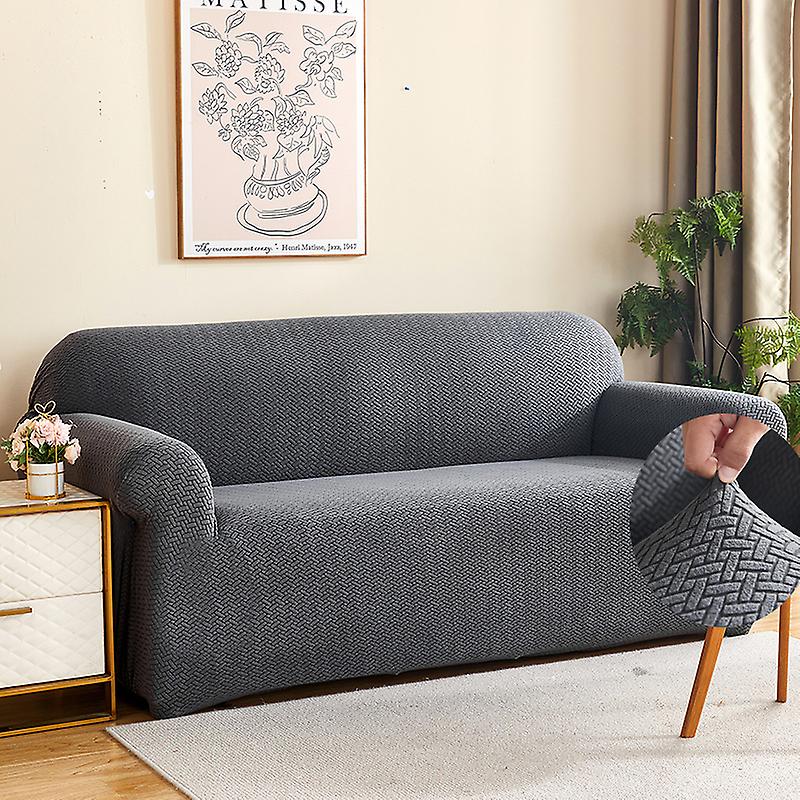
It’s surprisingly easy to miss important details when you’re shopping for a modular sofa, and that often leads to a piece that just doesn’t fit your space or your life the way you imagined. With so many tempting options out there, it’s easy to get swept up in the latest designs – or clever configurations – only to discover later that the sofa isn’t quite right for you.
Taking a little extra time to dodge some typical mistakes – like skipping careful measurements, ignoring how modular sections actually connect, or not thinking about fabric durability – can save you a lot of hassle (and money). Knowing what to watch for makes it a lot more likely you’ll end up with a modular sofa that’s actually a good fit for your home.
Avoiding Key Errors When Purchasing a Modular Sofa
Getting a modular sofa that works for you really comes down to nailing the basics: measurements, comfort, and picking upholstery that matches your lifestyle. These choices shape how much you’ll actually enjoy your sectional day to day.
Join The European Business Briefing
New subscribers this quarter are entered into a draw to win a Rolex Submariner. Join 40,000+ founders, investors and executives who read EBM every day.
SubscribeOverlooking Accurate Measurements
It’s shocking how many folks guess at room size or forget to measure doorways, hallways, or stairs. Cue the delivery headache, or worse – a sofa that just won’t fit where you want it.
Grab a tape measure and jot down your space’s real dimensions, including those weird corners, windows, and any furniture you plan to keep. A quick sketch or an online planner can help you see how things might fit. Modular sofas are flexible, sure, but you still need enough space to move around and reconfigure them.
Don’t just look at the “assembled” size – check each individual module. If you want to add or swap pieces later, knowing these numbers saves you from future frustration. And remember, leave a few extra inches for things like reclining seats or chunky arms.
Neglecting Seating and Comfort Requirements
Comfort is personal. People often regret their purchase if the sofa doesn’t match how they actually sit, lounge, or nap. Think about your real habits – do you sprawl out, curl up, or host friends for movie nights? How many people are usually on the sofa?
If you can, try out different seat depths and back heights. Modulars come in all sorts of shapes, so decide if you want a chaise, ottoman, or maybe adjustable headrests. If you’re all about comfort, don’t settle for something that looks good but feels off.
Here’s a quick list to consider before you shop:
- How many people use the sofa regularly?
- What’s everyone’s height and what do they find comfy?
- Any must-have extras – storage, cup holders, whatever?
Having this list handy keeps you focused on what’ll actually make you happy with your modular sofa.
Choosing the Wrong Upholstery or Material
Upholstery is a bigger deal than most realize – it affects cleaning, durability, and how the sofa feels, day in and day out. Leather’s popular for being tough and a breeze to wipe down, but not all leather is created equal. Some types can feel sticky or cold, especially if your place gets hot.
Fabric sofas give you way more options for color and texture, but if you’ve got pets or kids, you’ll want to look for pet-friendly performance fabrics that stand up to stains and are simple to clean. Skip delicate stuff like silk or linen if your sofa’s going to see a lot of action.
Here’s a quick comparison:
| Material | Pros | Cons |
| Leather | Durable, easy to clean | Can scratch, may feel cold |
| Performance Fabric | Stain & pet resistant | May cost more |
| Velvet | Luxurious texture | Attracts dust, harder to clean |
Picking the right material up front helps you avoid wishing you’d chosen something else a few months in.
Other Common Pitfalls and Considerations in Modular Sofa Shopping
Even if a modular sofa looks great on the showroom floor, there are a handful of details that can trip you up. Missing out on practical features, or not thinking about how it’ll fit in with your space, can turn excitement into disappointment.
Ignoring Storage Solutions and Functionality
If you want to keep your space neat, don’t overlook built-in storage. Lots of modulars now have hidden compartments under seats or in chaises – super handy for blankets, remotes, or whatever else tends to clutter up the living room.
Check the spec sheets for hidden storage or convertible options like sleeper sections or modules you can move around. If you host guests or like to nap on the sofa, these extras can be a real game-changer.
Some questions worth asking:
- Do you need a spot for blankets or remotes?
- Will anyone actually sleep on the sofa?
- Are there add-ons like tables or USB ports that would make life easier?
Prioritize what matters most to you – DIY fixes later on rarely look (or work) as well as built-in features.
Disregarding Interior Design and Style Compatibility
It’s easy to fall for a sofa that stands out in the store, but if it clashes with your home’s vibe, it’ll never quite feel right. Even a high-quality piece can look awkward if the color or style is off.
Interior designers often suggest taking fabric swatches home to see how they look in your lighting. Pay attention to the sofa’s size and shape, too – an oversized sectional can take over a small room, while a minimalist one might seem lost in a big, traditional space.
Style Compatibility Checklist:
- Does the fabric and color work with your rugs, walls, and other furniture?
- Is the scale right for your room?
- Do the sofa’s details (legs, arms, etc.) fit your decor?
It’s worth the extra effort to make sure your new sofa feels like it belongs – otherwise, you might find yourself wishing you’d chosen differently.
Skipping Customer Reviews and Professional Advice
Disregarding customer reviews and expert opinions can mean missing some pretty important red flags. Reviews tend to show what it’s actually like to live with a piece – maybe the assembly’s a headache, or the cushions start sinking after a few months, or customer support just ghosts you when you need help.
It’s worth reading both the glowing and the grumpy reviews, but don’t just skim – look for recurring issues like sagging, tricky assembly, or those product photos that seem a bit too good to be true. Some folks even check in with interior designers for a sanity check, especially if they’re about to drop serious cash on a custom setup.
Where to Look:
- Verified purchase feedback on retailer websites
- Social media posts featuring real homes
- Q&A sections for brand or assembly specifics