





























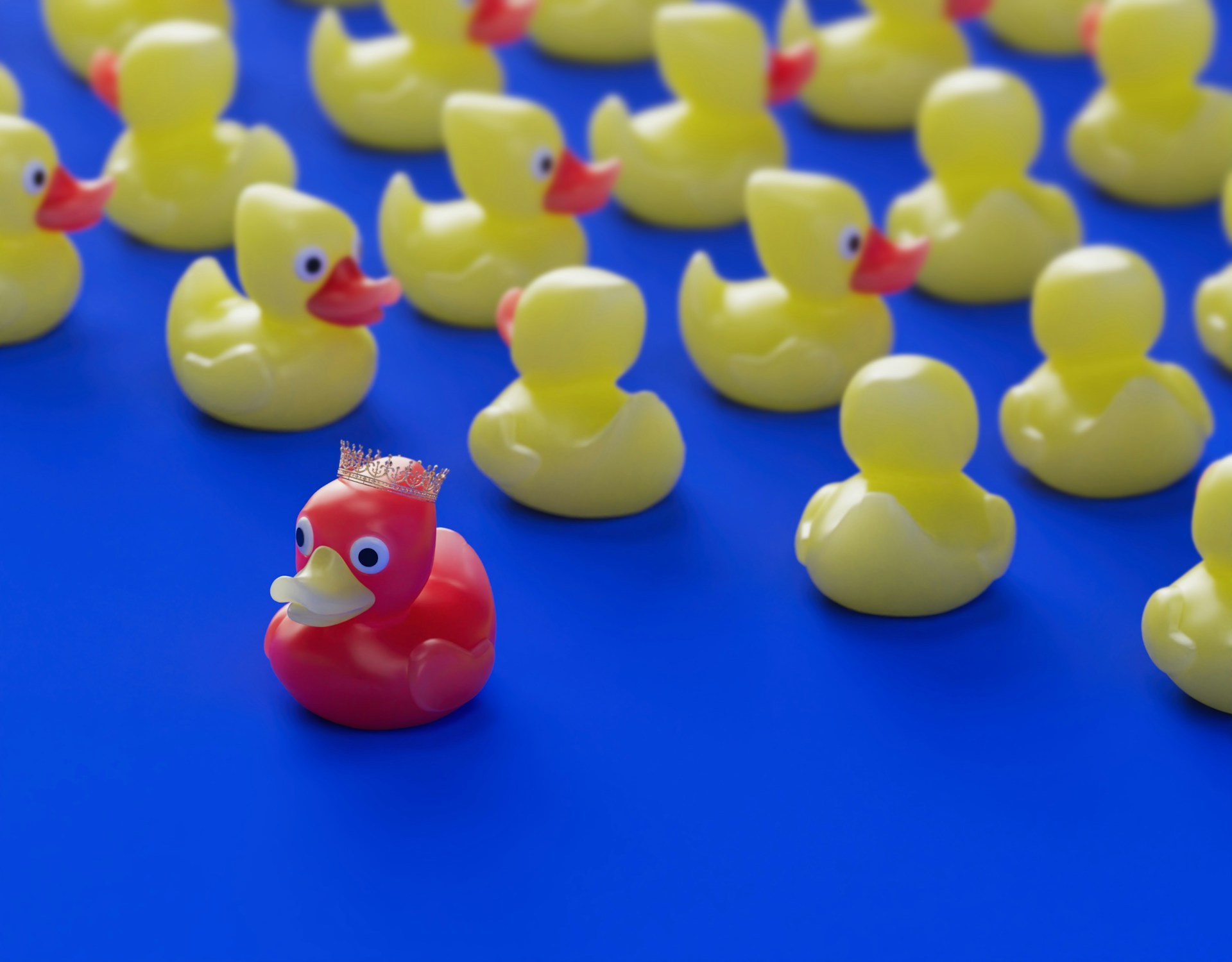
In a world filled with choices, one-of-a-Kind products have become a cornerstone of modern consumer culture. Consumers no longer content themselves with mass-produced items that resemble those found on every high street. They are on the lookout for exceptional, bizarre or beautifully hand-crafted goods. This represents consumers’ values: individualism, creativity and the thrill of finding something personal to them.
The Thrill of Discovery
When you’re exploring an idyllic marketplace, your senses awaken to sights, sounds, and smells from every stall as you peruse each booth, only to come upon an exquisite handmade leather bag that rivals anything seen at chain stores. Discovering something extraordinary is no mere chance occurrence, it is a carefully orchestrated experience designed to appeal to our human need for novelty. Finding something out-of-the-ordinary sparks our sense of adventure while giving us something amazing to talk about afterwards. Each item bears the signature of its maker, from artisans working out of local workshops to independent designers with bold visions. Customers who choose one-off items often become invested not just in a product but in its unique story as well, creating an emotional tie that solidifies each purchase as significant and transforms casual shoppers into passionate advocates of its maker.
Breaking the Mould: Psychological Benefits
Custom-designed products don’t simply stand out, they also fulfil deeper psychological needs. In an age when conformity reigns supreme, unique items allow individuals to express their identity in ways conformity doesn’t allow. Curated selection of unique pieces not only acts as status symbols but can also reflect personal aesthetics, values, and interests of their owner. In fact, distinctive items become forms of self-expression: The label printing on an original jacket can say, “this is me.” This emotional connection between product and consumer is vital in building long lasting relationships between both parties.
Join The European Business Briefing
New subscribers this quarter are entered into a draw to win a Rolex Submariner. Join 40,000+ founders, investors and executives who read EBM every day.
SubscribeFostering Community and Connection
One of the hallmarks of unique products is their power to build community. Customers looking for these coveted items often gravitate toward boutique shops, local markets or platforms that promote independent creators as they search for one-of-a-kind pieces. Consumers not only strengthen local economies through these actions, but they also foster an intrinsic sense of belonging within communities that value creativity and craftsmanship. Engaging with local artisans or attending craft fairs enables customers to form meaningful personal connections, meeting makers face to face, witnessing their processes first-hand, and witnessing the passion that goes into each creation. Such interactions enrich customers’ buying experiences with warmth and rapport that larger retailers often fail to duplicate.
Sustainability Meets Style
As consumer awareness about sustainability grows, they’ve become more cognizant of how their purchases impact the environment. Demand for handcrafted goods often coincides with ethical consumption, since many artisanal creators emphasise sustainable practices in their production process. Handmade items often utilise locally-sourced materials and focus more on quality than quantity, meaning your handmade purchases are built to stand the test of time. As opposed to fast fashion and disposable goods, one-of-a-kind creations appeal to shoppers looking for style without compromise. Owning thoughtfully created items demonstrate one’s commitment to sustainability.
Conclusion
Unique products’ appeal lies in their capacity to connect, motivate and evoke emotion across various dimensions. Consumers crave unique, special, and handcrafted items in an industry where products often overlap. No matter the motivation, be it curiosity, psychological benefits, community building or sustainability initiatives, unique offerings have an undeniable draw. Businesses that recognize and promote their individuality will flourish in today’s constantly shifting consumer market.