






























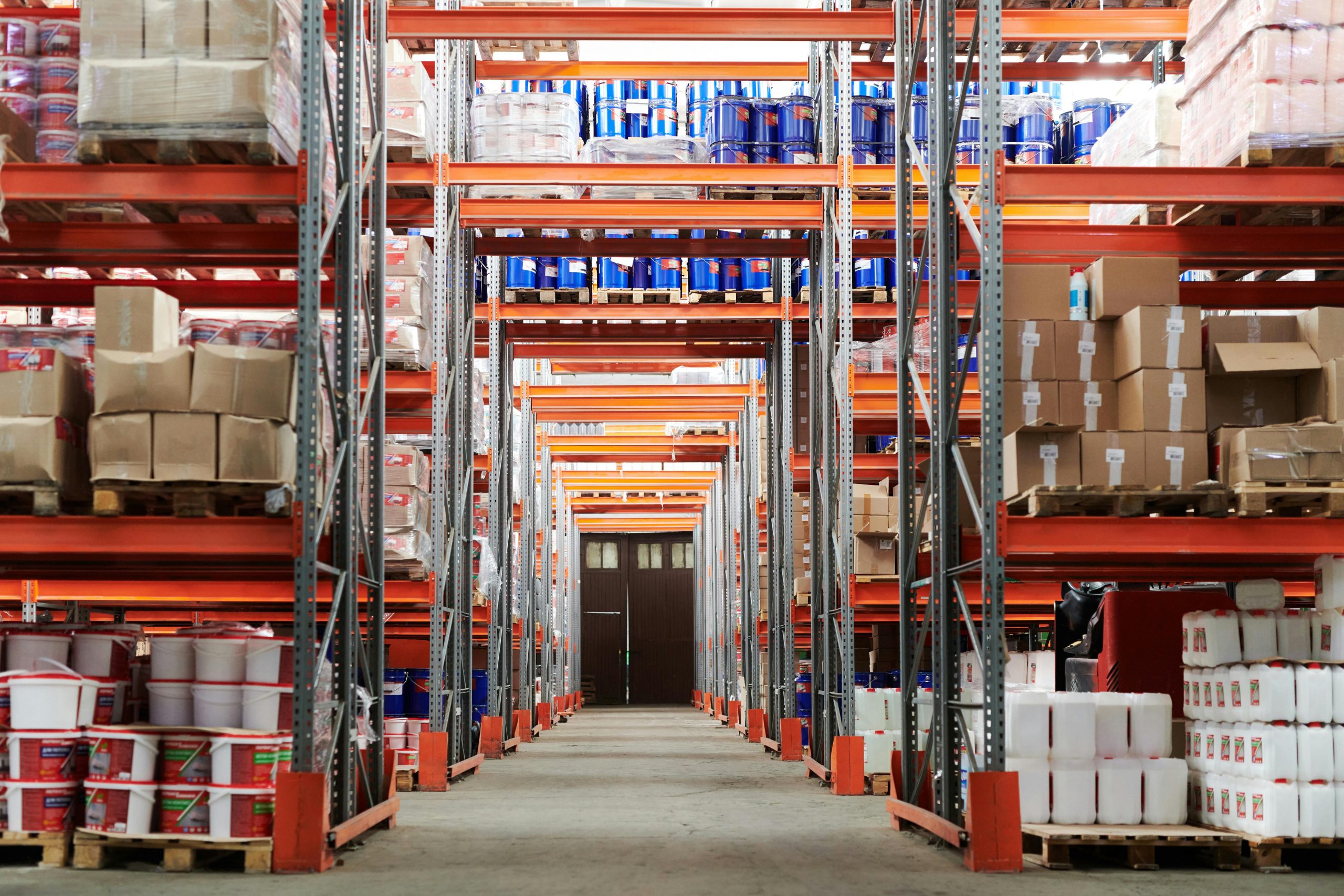
While most businesses don’t like spending money on making changes unless they are required to be competitive, various market forces continue to pressure warehouses to adjust to modern preferences. For example, about fifty years ago, traditional warehouses focused on handling huge pallet transactions. But things have changed in our contemporary world – efficiency is now the new game where suppliers are focusing on doing more with less.
A trend like warehouse digitalization has greatly changed how we manage and run warehouses. As if that is not enough, technologies like robotics and AI systems have furthered the pressure of innovation within this industry. With more of such technologies shaping the modern lifestyle, what does the future hold for warehousing? Plus, customers are changing their consumer habits – according to Forester, online retail sales are projected to reach $1.6 trillion by 2027.
Automation in Warehousing
Processes like storage, retrieval, tracking and so on can be quite tedious for humans. You also don’t want to make misses, which can cost your business. So, to address this need, various technologies have been emerging in the recent past. For example, a warehouse inventory management system allows you to automate every aspect of your inventory management. This includes real-time tracking, restocking, managing inventory across numerous warehouses, etc.
Join The European Business Briefing
New subscribers this quarter are entered into a draw to win a Rolex Submariner. Join 40,000+ founders, investors and executives who read EBM every day.
SubscribeActually, a report by MintSoft showed that the warehouse automation sector would grow by about 16% in 2024 alone – showing how retailers are turning to this technology as the market becomes more competitive. Robots, including automated guided vehicles, collaborative robots, Goods to Person (G2P) and many others, have not stopped influencing how warehouses automate. A popular example is Amazon Proteus – Amazon’s first fully autonomous mobile robot – which you can use in any area of your warehouse to pick, sort and package items.
Wearable Technology
If you are keenly interested in other sectors like sports, wearable technology is not new. It comes in several forms, including wrist scanners, smart glasses and voice-control headsets. With modern warehouses seeking to enhance speed, safety and accuracy, this technology has proved reliable.
A recent study by Zebra revealed that over 90% of warehouses intended to adopt wearable mobile computers by 2028. And in fact, providers of this technology have witnessed a surge in demand. In 2021 alone, for example, Kinetic (a wearables provider) supplied it up to four times compared to the previous years.
As you enhance productivity levels, you also want to ensure that your employees are safe, and that’s what wearables can do. A report by the International Labor Organization estimated workplace diseases and accidents cause about three million deaths and over 370 million minor injuries every year. Transportation and storage were among the most affected industries. Wearable technologies like safety boots, therefore, can reduce the exposure to risk by assessing the potential hazards and issuing instructions to the operator.
Warehouse Sustainability
Environmental conservation has become a global discussion, and we expect future warehouses to pay keen attention to this subject. According to GEP, warehouses contributed 11% to the gross greenhouse gas emissions from the logistic industry, which produced 7% of the global greenhouse emissions (GHG).
In response, several supply chain professionals, including Ian Hart, highlighted that if warehouses could work on aspects like power usage and shipping emissions, they could greatly contribute to global efforts to reduce GHG. In the future, therefore, more warehouses will become sustainable by taking advantage of renewable energy sources. And, of course, most of them have begun using solar panels to generate their own electricity.
These discussions will also likely influence other sectors, including packaging, logistic planning and waste management. For instance, you could have noticed that some warehouses have implemented recycling programs where customers can return their packaging so that the warehouses can reuse or recycle.
Artificial Intelligence in Warehouse Management
Just like other sectors in life stand to benefit from AI, so is the warehousing sector. For instance, Wifi Talents suggested that this technology could reduce warehousing and supply chain labor costs by up to 70%. AI can combine various data aspects and predict how demand will change, allowing you to make necessary adjustments.
Responding accurately to consumers’ varying demands can enhance your brand perception. You don’t want to frustrate your customers just because their demand surpasses your supply. Plus, with AI, retailers can predict future supply chain disruptions, allowing them to respond appropriately. All these benefits – improved shipping time, efficiency, accurate inventory tracking and more – are part of what future warehouses stand to benefit from adopting AI.
When you consider what the future holds for warehousing, you can summarize it in one word – efficiency. From automation and wearable technologies to sustainability and AI, future warehouses will take great advantage of technology to make their processes more effective with less. For example, we expect AI to feature in many aspects of warehouses, which may greatly reduce labor costs.






