






























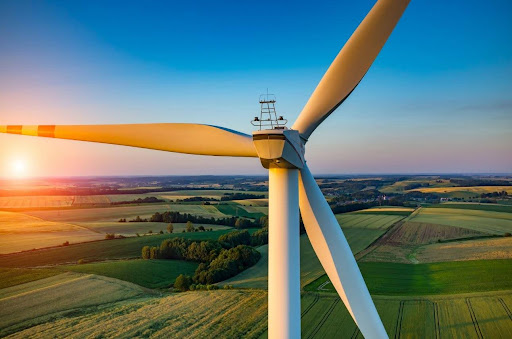
Businesses are increasingly recognizing the importance of sustainable practices. One such practice is harnessing wind energy to power workplaces. Utility Bidder highlights how renewable energy solutions like wind power can enhance workplace sustainability and employee engagement.
This article will explore the numerous benefits of wind energy for businesses, including its positive environmental impact and its role in fostering a supportive and engaged company culture. Also, read some enticing wind energy facts!
The Advantages of Wind Power Energy for Businesses
Join The European Business Briefing
New subscribers this quarter are entered into a draw to win a Rolex Submariner. Join 40,000+ founders, investors and executives who read EBM every day.
SubscribeWind energy offers numerous benefits for businesses aiming to become more sustainable.
- As a renewable energy source, it reduces reliance on fossil fuels, decreasing greenhouse gas emissions.
- Furthermore, wind energy can lead to substantial cost savings over time. Plus, wind power benefits local communities.
- Once installed, wind turbines’ ongoing operational costs are relatively lower than those of conventional power sources. These savings can be reinvested into the business, fostering growth and innovation.
- Additionally, wind energy can provide a more stable and predictable energy supply, shielding businesses from the volatility of fossil fuel markets.
Fostering a Positive Company Culture with Wind Energy
Integrating wind energy into a company’s operations can significantly boost employee engagement and morale. Modern employees, particularly younger generations, often seek employers who align with their values, including a commitment to sustainability.
Moreover, involving employees in sustainability initiatives can create a shared purpose and community. Programs such as sustainability committees or green teams allow employees to contribute ideas and participate in the company’s environmental efforts.
Understanding How Wind Turbines Work
To fully appreciate the benefits of wind energy, it’s important to understand how wind turbines create electricity. Wind turbines consist of large turbine blades attached to a rotor.
When the wind blows, it turns the blades, which spin the rotor connected to a generator. The generator then converts the kinetic energy of the spinning rotor into electrical energy.
This process is highly efficient and can produce significant amounts of electricity, especially when turbines are placed in optimal locations. Wind turbines can operate at various speeds but are most efficient in areas with consistent and strong winds.
Learn how to implement wind energy here.
The Economic Impact of Wind Energy
Wind energy benefits the environment and has significant economic advantages. The wind industry creates numerous jobs, from manufacturing and installation to maintenance and operation of wind turbines.
This job creation supports local economies and enables U.S. economic growth, providing stable employment opportunities in various regions.
Additionally, wind farms can generate revenue for local communities through land lease agreements and taxes. This financial support can fund public services, infrastructure improvements, and community projects, benefiting residents.
Overcoming Challenges of Wind Energy
While wind energy has many advantages, it also presents certain challenges. One of the primary challenges is the initial cost of wind turbine installation. Although wind power can lead to long-term savings, the upfront investment can be substantial.
Another challenge is the intermittency of wind. Wind energy generation depends on wind conditions, which can be unpredictable.
To address this issue, businesses can integrate wind energy with other renewable sources, such as solar power, or invest in energy storage solutions to ensure a stable energy supply.
Environmental Benefits of Wind Power
Wind power is one of the cleanest and most sustainable energy sources available. Unlike fossil fuels, wind energy generation produces no air or water pollution, significantly reducing the environmental footprint of businesses that adopt it.
Moreover, wind power does not deplete natural resources. Unlike coal, oil, and natural gas, wind is a limitless, finite resource that will eventually run out.
Integrating Wind Energy into Employee Engagement Strategies
To fully leverage the benefits of wind energy, businesses can incorporate it into their employee engagement strategies.
- One effective approach is to educate employees about the company’s renewable energy initiatives and their environmental impact. This education can be achieved through workshops, seminars, and regular updates on the company’s sustainability goals and achievements.
- Additionally, businesses can offer employees opportunities to participate in sustainability projects, such as tree-planting events, recycling programs, or energy-saving competitions.
Attracting and Retaining Top Talent with Wind Energy Initiatives
A sustainable workplace can give businesses a significant edge in attracting and retaining top talent. Employees increasingly seek employers who commit to environmental and social responsibility.
Furthermore, providing a sustainable workplace can improve employee retention. Employees who feel their values align with their employers are likelier to remain loyal and engaged. This alignment can lead to higher job satisfaction, reduced turnover rates, and a more motivated and productive workforce.
Expanding Wind Energy’s Capabilities for Future Growth
As technology advances, wind plants’ capabilities continue to expand. Innovations in turbine design, materials, and energy storage make wind power generation more efficient and cost-effective.
Businesses that invest in wind energy today can benefit from these advancements, ensuring a sustainable and reliable energy source for the future.
The growing demand for renewable energy also drives further investment in the wind industry. This increased investment is leading to the developing of new wind projects and expanding existing wind farms.
Final Words
Obtaining wind energy offers numerous benefits for businesses, from reducing environmental impact to enhancing employee engagement and economic growth. One must be able to deal with the advantages and challenges of the phenomenon.
This commitment to sustainability aligns with the values of modern, eco-conscious employees, attracting top talent and fostering a positive workplace culture.