London, 25 November 2026 — EBM Newsdesk Analysis — By Katie Winearsl
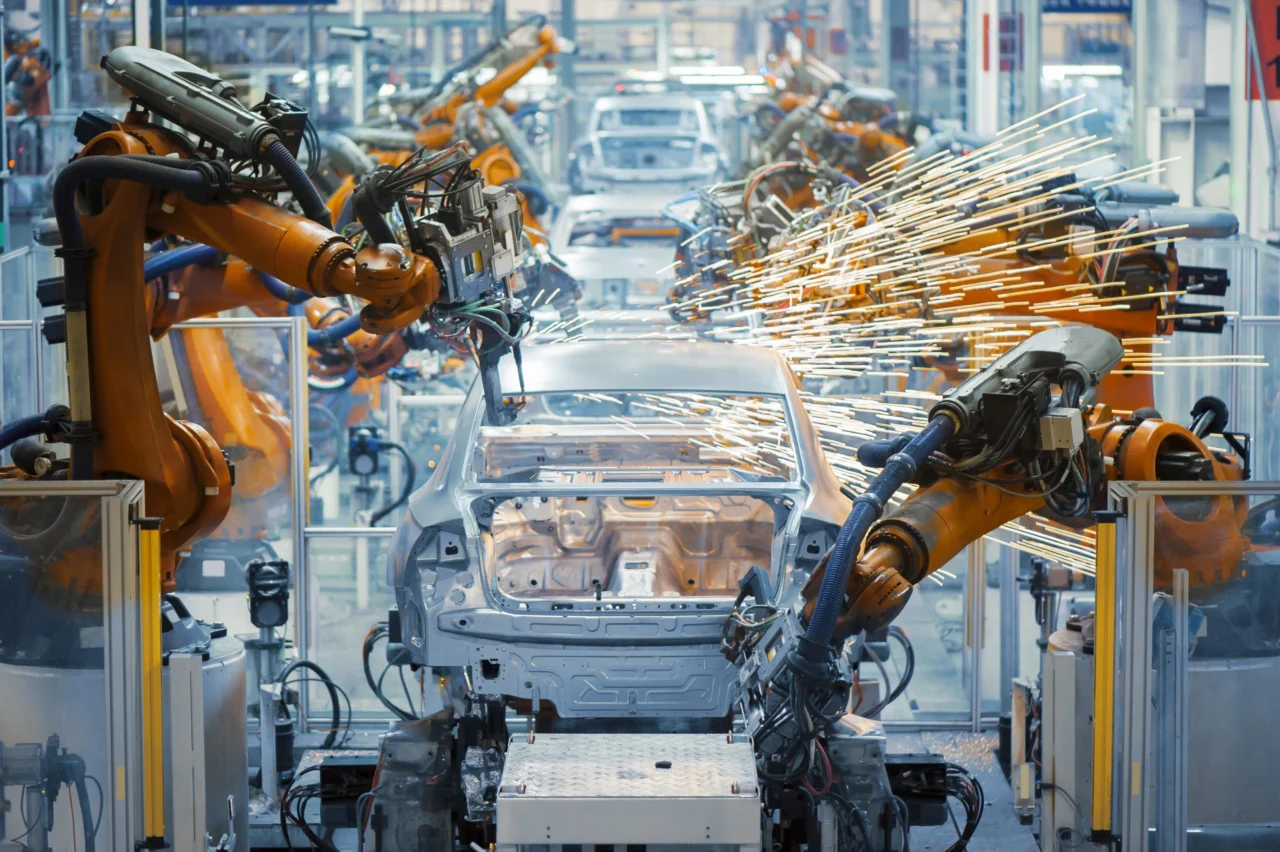
On Wednesday 25 November, McKinsey published figures showing that half of Europe’s large industrial companies are now under financial stress or in distress. That is up from 45% last year and 42% in 2024. The consultancy estimates that 3.7 million jobs depend on the outcome. Anyone who has followed Germany’s car industry job losses this year will not be surprised. What should worry policymakers is how far the problem has spread beyond cars.
McKinsey’s index covers almost 1,200 public and private European companies, each with more than €100m in revenue. It scores them on five measures of profit, cash flow and debt. The pressure is concentrated in machinery, automotive, electrical equipment and materials. These are the sectors that built Europe’s post-war prosperity, and they are now losing ground to China.
Why This Matters More Than Another Gloomy Survey
Industry is not a sentimental attachment for Europe. According to McKinsey, industrial companies account for about 36% of the region’s value added, 29% of its jobs and more than 45% of its research and development.
Join The European Business Briefing
New subscribers this quarter are entered into a draw to win a Rolex Submariner. Join 40,000+ founders, investors and executives who read EBM every day.
SubscribeThat last figure is the one to watch. When an industrial company gets into trouble, research spending is usually the first thing cut. Europe could lose not only today’s factories but tomorrow’s inventions.
The human cost is already visible. Volkswagen is planning the biggest restructuring in its history, with up to 100,000 job cuts by the end of the decade. Suppliers such as Bosch, ZF and Schaeffler are following.
The Three Pressures
The first pressure is energy. European industry pays far more for power than its rivals. In 2024, EU industrial electricity cost about €0.20 per kWh, compared with roughly €0.08 in China and the US. McKinsey says Europe’s energy costs are, on average, more than one and a half times those of China and the US.
The second is labour. European wages are higher, and productivity has not kept up. McKinsey estimates that Chinese industrial workers now produce about one and a half times as much as their European counterparts. Together, these gaps mean more than half of Europe’s industrial cost base is at a disadvantage to China.
The third is competition. Chinese manufacturers, backed by state support and a huge home market, are selling into Europe at prices many local firms cannot match. Trade tensions, from the great-power summitry in Shenzhen to new US tariffs, add another layer of uncertainty.
What Can Be Done
Tunde Olanrewaju, McKinsey’s European managing partner, says there is no single solution to Europe’s productivity problem. He is right, but some fixes matter more than others.
Cheaper energy comes first. That means more grid capacity, faster renewables and a properly integrated European electricity market. Mario Draghi made this case in his 2024 competitiveness report, and progress since has been far too slow.
Productivity comes next. Automation and industrial AI are no longer optional. ABB’s smart motor launch this week is a small example of where the gains will come from. Europe still makes the best industrial machines in the world. Its companies now need to use them better than anyone else.
Tax and regulation also matter. When even a retailer like Ikea shelves UK stores over business rates, it is clear that fixed costs on large sites are driving investment away.
The Call
This is not the death of European industry. Half of these companies are still financially healthy, and the strongest are adapting quickly.
But a continent cannot let half its industrial base drift into distress and hope the market sorts it out. The companies that survive will be leaner, more automated and more global. The ones that don’t will take millions of jobs and a large share of Europe’s research with them.
Brussels has had the Draghi diagnosis for two years. The McKinsey numbers show what slow treatment costs. The next 18 months will decide whether Europe’s industrial decline is managed or chaotic.
Related Analysis