Frankfurt, 19 November 2026 — EBM Newsdesk Analysis — By Katie Winearls
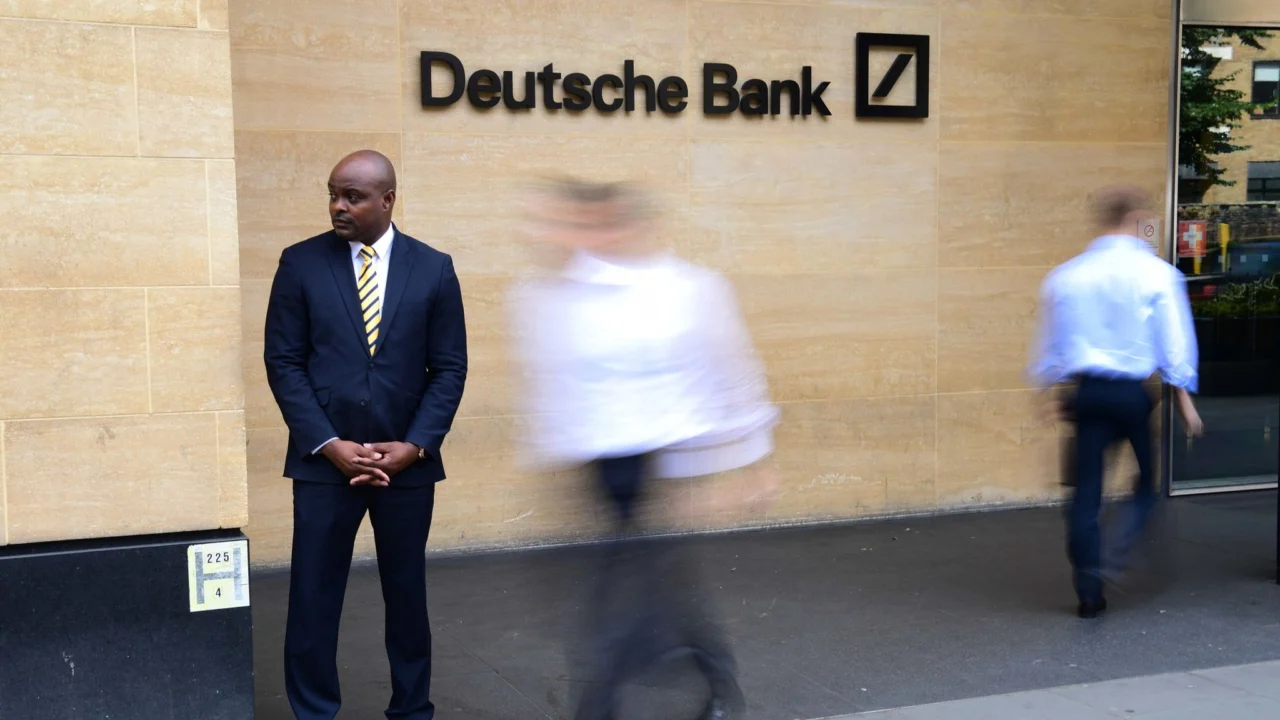
On Thursday 19 November, the Financial Times reported that Deutsche Bank’s Italian unit used derivatives and shadow bookkeeping to hide as much as €800mn of mortgage lending losses for more than a decade. What happened afterwards is worse: nobody was fired, and some departing executives walked away with seven-figure payouts. Deutsche never disclosed the affair publicly. The question is how a scheme this size stayed hidden for so long, and who knew.
Europe’s supervisors want bigger cross-border banks, and buyers are paying up for Italian franchises. Crédit Agricole wants to merge with Banco BPM, and Monte dei Paschi has launched a €34bn bid. Those deals rest on one assumption: that a group’s accounts tell you what is happening inside its subsidiaries. Deutsche’s Italian books suggest nobody should take that for granted.
How the Tesoretto Worked
According to the FT, Italian managers built a hidden local reserve they called the “tesoretto”, or little treasure box. They used it to cover up missed profit targets. Staff also reportedly built about €900mn of derivatives positions with no clear business purpose.
Join The European Business Briefing
New subscribers this quarter are entered into a draw to win a Rolex Submariner. Join 40,000+ founders, investors and executives who read EBM every day.
SubscribeA whistleblower raised the alarm in 2018. That triggered an internal probe, codenamed Project Aetos, which concluded that local and group results had been “obfuscated by arbitrary adjustment”. In 2020 the bank told the European Central Bank about a €522mn hit. Once unrealised losses were counted, the potential total reached €779mn. Between 2018 and 2023, Frankfurt injected €1bn of fresh capital into the Italian business.
KPMG audited the unit throughout. It missed the scheme and later advised that the accounts did not need restating.
No Sackings, No Clawback
The consequences were mild. No employees were dismissed. Five, including the unit’s most senior managers, received a collective written warning. The three most senior were cleared of personal misconduct but reprimanded over shortcomings in how they managed. The bank also chose not to claw back €5.25mn in deferred pay.
Deutsche says it thoroughly examined historical matters in the unit. It attributes the losses to a reassessment of funding assumptions after Italian legislation changed how clients behaved.
Part of a Much Bigger Leak
The Italian story is one strand of “Inside Deutsche Bank”, a joint investigation by more than 200 journalists into over 15 million leaked files. When the first reports landed on Tuesday, the shares fell 6%, their biggest one-day drop in more than a year. The bank said the matters date back many years and that its controls have since improved. BaFin, Germany’s regulator, said it has run six inquiries involving Deutsche since 2018. The ECB’s banking supervisors, who oversee the bank directly, declined to comment.
The timing is awkward. Washington and London are loosening post-crisis capital rules, on the argument that banks now police themselves well. Hidden losses also tend to surface late, as HSBC’s $400m hit on a collapsed UK lender showed this year. Italian banks, meanwhile, have spent years repairing their reputation, and Italy is no longer Europe’s biggest bond market risk.
Where I Land
A bank of Deutsche’s size can absorb €800mn. The bigger problem is the pattern. A secret reserve ran for a decade. The auditor missed it. The regulator was told privately, but shareholders never were. Then nobody lost their job.
Christian Sewing has spent years telling investors the old Deutsche is gone. This leak suggests the clean-up happened behind closed doors, which is exactly how the problem grew in the first place. Investors will now ask what else is in those 15 million files. Until Deutsche answers that in public, the discount on its shares is deserved.
Related Analysis