The textile printing industry is changing as businesses face growing demand for customized designs, smaller orders, and faster delivery. Traditional printing methods remain useful, but digital technologies offer more flexibility for modern apparel production.
This shift is changing how printing businesses manage orders, choose equipment, and serve customers.
1. Traditional Textile Printing: Strengths and Limitations
Screen printing has been widely used in textile production for decades. It works well for large orders with repeated designs and can offer a relatively low cost per print at high volumes.
Join The European Business Briefing
New subscribers this quarter are entered into a draw to win a Rolex Submariner. Join 40,000+ founders, investors and executives who read EBM every day.
SubscribeHowever, each design requires screen preparation. This adds time and expense when customers request different colors, frequent design changes, or small quantities.
For businesses handling customized apparel, these extra steps can make production less flexible.
2. How Digital Printing Changes Production
Digital printing transfers artwork directly from a digital file to a printing system. It reduces the need for traditional screen preparation and makes it easier to handle different designs in smaller batches.
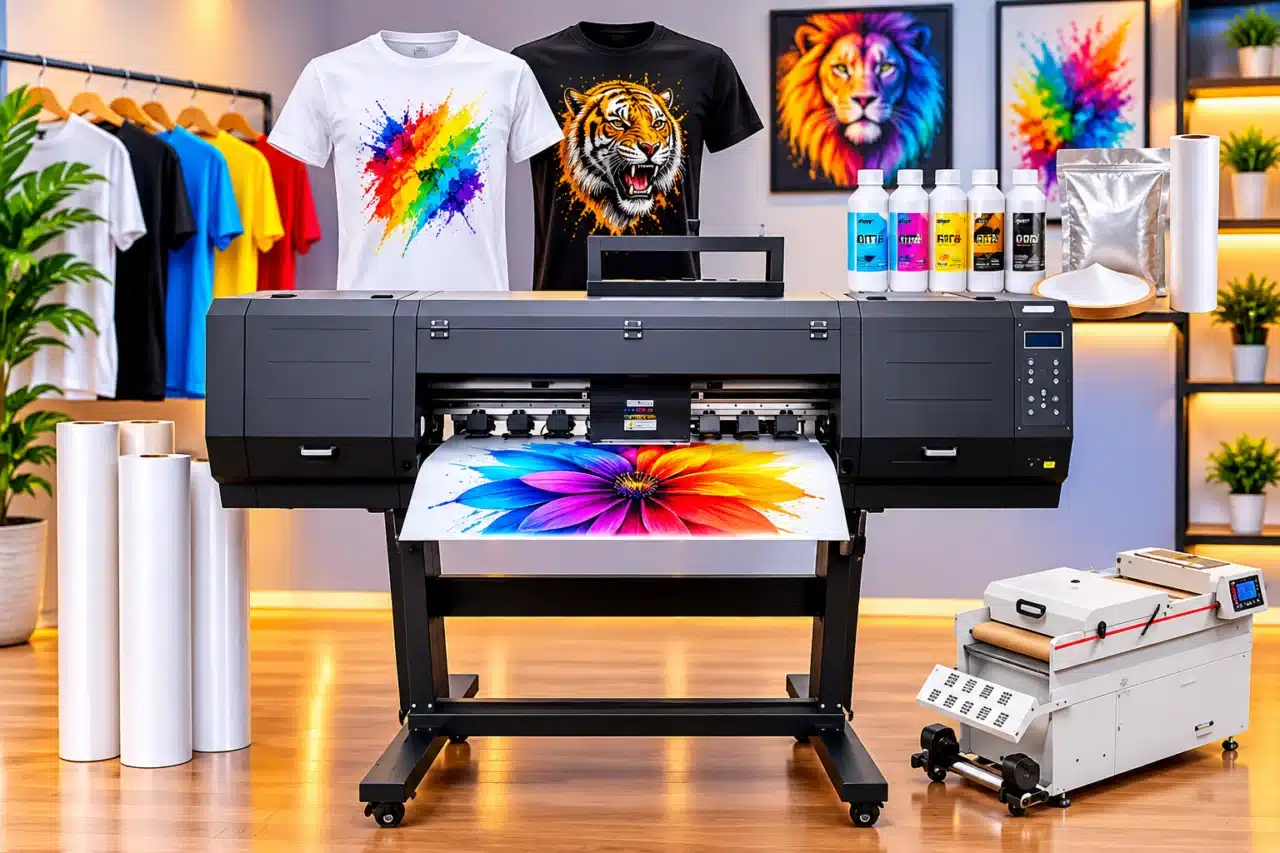
Two common technologies are Direct-to-Garment (DTG) and Direct-to-Film (DTF). DTG prints directly onto garments, while DTF transfers designs from PET film to fabric through heat pressing.
Both methods support customized apparel production, although their materials and workflows differ.
3. Why DTF Printing Is Gaining Attention
DTF printing has become a practical option for businesses producing custom clothing. The process involves printing designs onto transfer film, applying adhesive powder, curing the transfer, and pressing it onto garments.
It supports different fabric types, including cotton, polyester, and blends, depending on the materials and settings used.
It also allows businesses to prepare transfers for different designs without making separate screens. Companies exploring this technology can compare different DTF printers based on their production volume and requirements.
4. Choosing the Right Printing Technology
Not every printing method suits every business. Before investing in new equipment, companies should consider several factors:
- Order volume: Screen printing is often suitable for large batches, while digital methods offer flexibility for smaller orders.
- Design complexity: Digital printing handles detailed artwork and multiple colors more easily.
- Fabric compatibility: Different technologies have different material requirements.
- Operating costs: Ink, consumables, labor, maintenance, and equipment prices all affect profitability.
Some businesses use both traditional and digital printing to serve different customer groups.
5. The Future of Textile Printing
As customization becomes more important, digital printing is likely to play a larger role in apparel production. Businesses need equipment that matches their actual workload, delivers consistent results, and comes with reliable technical support.
For companies looking into digital garment printing, DTF LINKO offers DTF printing equipment and solutions for different production needs.
Traditional printing will continue to serve large-volume orders, while digital technologies provide more options for flexible production. The businesses that understand when to use each method will be better prepared for changing market demands.