






























London, 12 November 2026 — EBM Newsdesk Analysis — By Amr Shabana
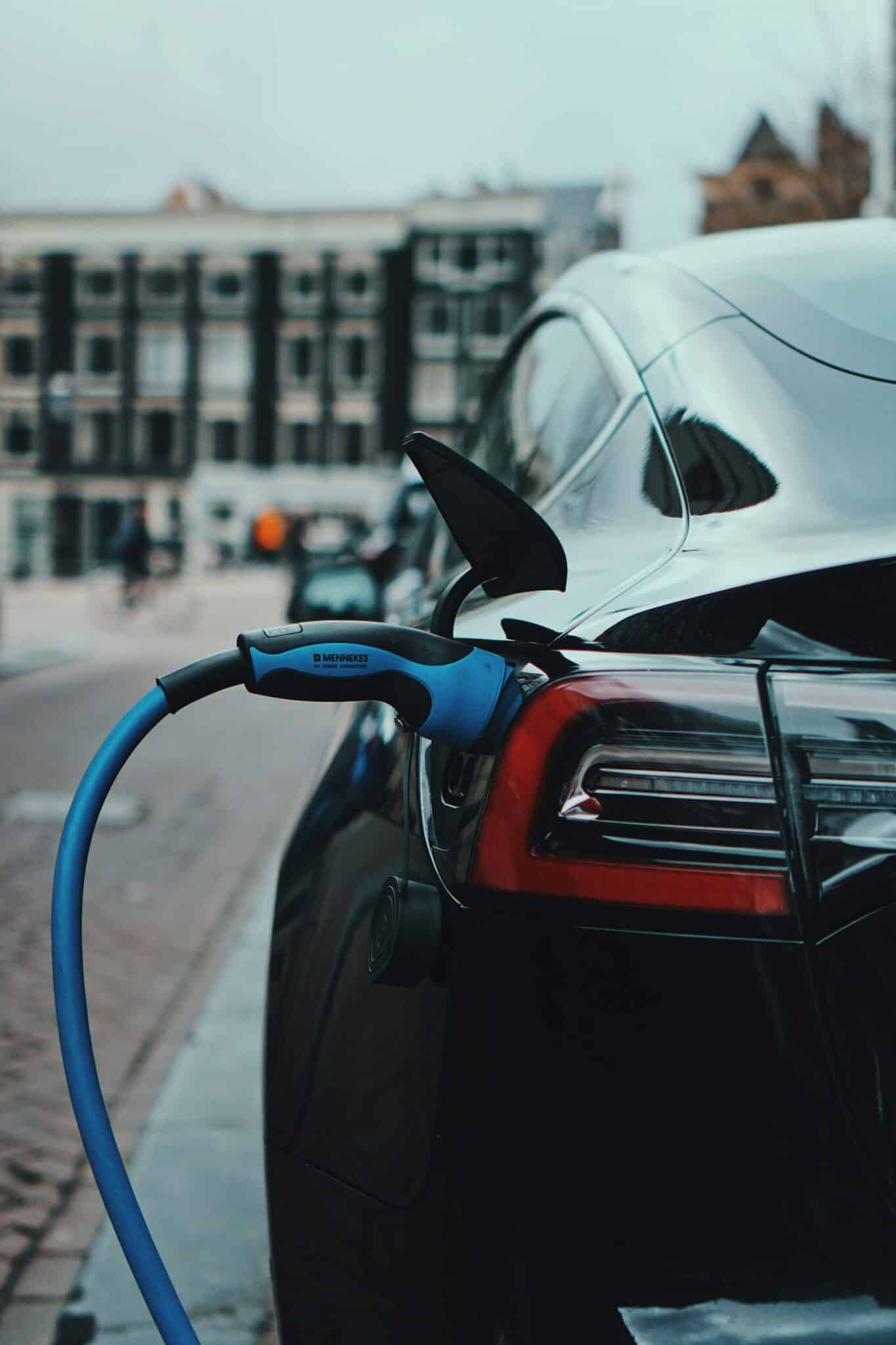
On Thursday 12 November, the European Union was reported to be preparing to postpone a 10% tariff on electric vehicles traded with Britain, just seven weeks before it was due to take effect on 1 January, according to the Financial Times, as reported by Reuters. Brussels is consulting carmakers, and talks are expected after an EU-UK summit on 20 November. The surprising detail is who the tariff would hurt. It was designed to protect European industry, yet European carmakers warned it would leave them more exposed to Chinese competition.
For European business, the delay is a reprieve, but also an admission. Britain and the EU are each other’s biggest export market for electric cars. If the tariff went ahead, ACEA, the European carmakers’ association, estimates that about 82% of the EVs expected to be sold in Britain in 2027, worth €17.9bn, would be hit.
Why the Tariff Exists
The tariff comes from the post-Brexit trade deal. Cars can cross the Channel tariff-free only if enough of their value is made in Europe or Britain. From 2027, the rules tighten for electric vehicles: at least 55% of a car’s value must be European, along with 65% of its battery cells and modules and 70% of its battery pack. Cars that fall short face a 10% duty.
Join The European Business Briefing
New subscribers this quarter are entered into a draw to win a Rolex Submariner. Join 40,000+ founders, investors and executives who read EBM every day.
SubscribeThe rules were meant to encourage a European battery industry. They were already postponed once, from 2024 to 2027, because carmakers could not meet them.
Europe Still Can’t Make the Batteries
Three years on, the problem remains. Most battery cells are still made in Asia. ACEA’s Jonathan O’Riordan estimates that only about 20% of the EV batteries Europe needs will be produced locally by the end of next year, Electrive reported.
Industry leaders on both sides have pushed for a delay. Mike Hawes, chief executive of Britain’s Society of Motor Manufacturers and Traders, warned that “battery supply chains are still not ready to meet these stringent requirements”. The SMMT estimated that EV makers would face £1.4bn in tariffs without a solution. ACEA’s director general, Sigrid de Vries, said Europe’s battery development is progressing “far too slowly”. ACEA now wants the battery rules pushed back to 2030, with some materials rules delayed to 2032.
The China Problem
The deeper concern is competition from China. Chinese carmakers such as BYD are expanding rapidly in Europe, with cheaper models built on their own battery supply chains. The EU already applies extra duties to Chinese-made EVs, but Britain does not.
A 10% tariff on European cars sold in Britain would remove much of the price advantage European brands have over Chinese rivals in one of Europe’s largest EV markets. It would also come at a painful time for an industry already cutting jobs, as Schaeffler’s 3,500 job cuts show, and struggling to compete as China reshapes the electric car market.
British production is exposed too. BMW has reportedly warned that its Mini plant in Oxford could struggle to build and sell EVs if the rules took effect as planned.
Where I Land
A delay is the right decision. Imposing tariffs on European carmakers for failing to use batteries that Europe cannot yet produce would punish the industry for a failure of policy, and hand an easy win to Chinese competitors. But this is now the second postponement, and Europe needs to stop treating deadlines as negotiable. The rules exist because Europe depends on Asian batteries. Unless the investment in European battery plants speeds up, Brussels and London will face the same choice again in a few years. Like many European trade decisions, this one is coming late and under pressure.
Related Analysis






