































London, 1 November 2026 — EBM Weekend Read — By Brad Adams
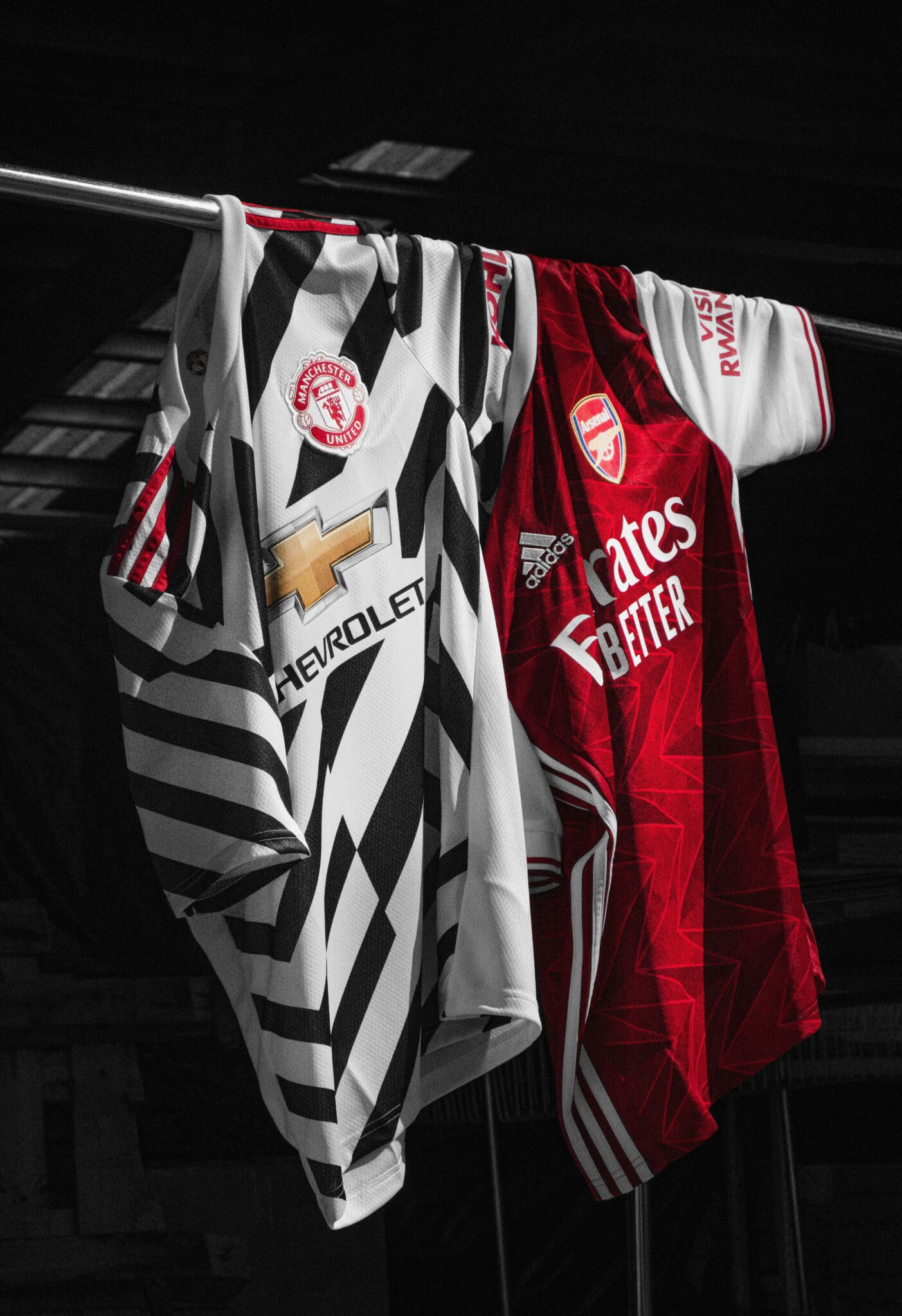
For almost two decades, the front of a Premier League shirt was one of the most valuable pieces of advertising space a betting company could buy. Watched in more than 180 countries, the league’s matchday shirts turned little-known bookmakers, many of them based offshore and largely unknown to British fans, into global brands overnight.
This season, that era ended. Under a voluntary agreement struck by the clubs in 2023, gambling companies are no longer allowed on the front of matchday shirts from the 2026/27 season. The Premier League became the first major sports league in Britain to impose such a ban on itself. Clubs warned of a financial hole. Campaigners hailed a victory for public health. Three months into the season, the numbers tell a more surprising story.
The Hole That Never Appeared
Join The European Business Briefing
New subscribers this quarter are entered into a draw to win a Rolex Submariner. Join 40,000+ founders, investors and executives who read EBM every day.
SubscribeBefore the season, industry estimates suggested the ban could leave clubs facing a shortfall of around £80m a year. Eight clubs had to find new front-of-shirt partners: Aston Villa, Bournemouth, Brentford, Crystal Palace, Everton, Fulham, Nottingham Forest and Sunderland.
In the end, most did so comfortably. According to Ampere Analysis, cited by Inside World Football, the eight clubs replaced gambling deals worth £67m with new ones worth £75m. Total Premier League front-of-shirt revenue rose 8% to £444m. The ban, it concluded, “has not produced the commercial hole some English clubs may have feared.”
Who Filled the Gap
The new sponsors reveal how the money in football is changing. Everton swapped crypto casino Stake for trading platform CMC Markets. Aston Villa signed Visit Rwanda, the African nation’s tourism board, which already sponsors Arsenal and Paris Saint-Germain. Bournemouth signed health insurer Vitality, Brentford moved jobs site Indeed from its sleeve to the front, and Fulham signed database company ClickHouse.
Across Europe’s five biggest leagues, financial services is now the largest shirt-sponsor sector, with 21 front-of-shirt deals, up from 15. Technology companies doubled their presence from five deals to ten. Gambling’s share collapsed from 14 to four.
That reflects the rise of fintech and trading apps hungry for younger, global audiences, the same customers chased by digital banks such as Revolut, now valued at $115bn. It also carries risks. Crypto and trading brands can be volatile partners, as the record heist at Binance showed this week, and several clubs have been burnt in the past by sponsors that collapsed.
Gulf money remains a constant too. Airlines and state-backed brands from the region have long been some of football’s biggest sponsors, part of a wider pattern of Gulf money quietly buying a stake in Europe.
The Bookies Moved, They Didn’t Leave
The ban covers only the front of matchday shirts. Gambling firms can still appear on sleeves, training kits and pitchside boards, and many have simply moved there. Stake now sponsors Everton’s sleeve. Across Europe’s big five leagues, gambling sleeve deals rose from six to nine. In the Premier League, betting companies now account for about 20% of sleeve sponsorship spending, up from just 3% a year earlier.
Critics argue that this shows the limits of a voluntary deal. Gambling brands are still highly visible at every match, just in a slightly smaller space. Supporters of the ban counter that the most prominent advertising slot in English sport is now free of betting logos, a significant symbolic shift.
Why Gambling Wanted Football So Badly
Football and betting have been intertwined for years. Betting on matches is a huge industry, and operators compete fiercely for attention, especially in new markets in Asia, Africa and Latin America, where Premier League shirts reach millions of viewers. Many of the brands on Premier League shirts barely operated in Britain at all.
The relationship runs deeper than sponsorship. Some of football’s most successful owners made their fortunes in betting. Brighton’s Tony Bloom built his wealth on sports betting models before applying the same data-driven thinking to build football’s smartest club. And the gambling industry is expanding into new territory, with the Gulf now weighing whether to open up to casinos.
The Bigger Commercial Picture
The shirt ban comes as football’s commercial model is evolving fast. Broadcast rights remain the biggest source of income, but the battle for sports streaming is reshaping how those rights are sold. Clubs are also treating players and brands as assets to be traded and monetised, as PSG’s £123m Barcola business shows, while individual stars such as Carlos Alcaraz are becoming global business empires in their own right.
Brazil offers a warning of what can happen when betting money is pulled out abruptly. A betting crackdown there has hit club finances far harder, because the clubs were more dependent on gambling sponsors. The Premier League’s phased, voluntary approach gave clubs three years to prepare, and it shows.
The Premier League’s gambling shirt ban has turned out to be less painful than feared and less dramatic than hoped. Clubs found new sponsors quickly and, in aggregate, earned more money, a sign of how valuable Premier League exposure remains. But the bookies haven’t gone away; they have moved to sleeves, training kits and the perimeter boards, and their share of sleeve spending has soared. The next battle will be over those remaining spaces, and over whether the new wave of fintech and crypto sponsors brings risks of its own. For now, the lesson is clear: in English football, the money always finds a way back onto the shirt.
Related Analysis






